Officer Daily Patrol Checklist Form
Give security teams and law enforcement agencies an easy way to document daily patrol activities with a form that collects officer information, inspection results, and incident details. Keep patrol records organized so supervisors can monitor assigned duties, identify safety concerns, and maintain accurate documentation of daily operations.



A security officer conducts routine inspections of a commercial property, while a patrol officer checks assigned areas for safety concerns and unusual activity. Both need to document their observations and completed duties, but their patrol routes, responsibilities, and reporting requirements differ. An officer daily patrol checklist form helps organizations collect consistent information and maintain reliable patrol records.
Officers provide identification details, shift information, and updates about their assigned patrol areas. You can include fields for equipment inspections, vehicle condition, security checkpoints, and incident observations. Questions about access points, suspicious activity, maintenance concerns, and emergency equipment help officers document potential issues and confirm that required checks have been completed.
Your team receives organized patrol reports without relying on scattered handwritten notes or separate logbooks. Supervisors review submissions, identify outstanding concerns, and coordinate necessary follow-up actions. Security companies, property management teams, and law enforcement agencies get a structured way to monitor patrol activities, maintain operational records, and support accountability across shifts.
An officer daily patrol checklist form documents the activities, inspections, and observations completed by security or law enforcement personnel during an assigned shift. It typically includes officer identification, patrol dates, assigned locations, equipment checks, checkpoint inspections, and incident reports. Security supervisors and agency administrators use it to verify completed duties, maintain patrol records, and identify issues requiring additional attention.
Managing patrol activities through handwritten logs or informal verbal reports can make it difficult to confirm completed inspections and track recurring safety concerns. A structured checklist collects consistent information about patrol routes, equipment conditions, and unusual observations. It helps supervisors review officer activities, identify incomplete tasks, and coordinate responses to reported issues while reducing administrative work and improving documentation across shifts.
Include questions that help security teams document patrol activities and confirm that required inspections have been completed, like:
- What is your full name?
- What is your officer identification or employee number?
- What department or security company do you represent?
- What is the date of your patrol?
- What time did your shift begin?
- What time did your shift end?
- What patrol area or location were you assigned?
- What type of patrol did you conduct?
- Did you inspect your assigned equipment before beginning your shift?
- Was your communication equipment functioning properly?
- Did you inspect your patrol vehicle, if applicable?
- Were all assigned patrol checkpoints completed?
- Were building entrances and exits inspected?
- Were doors, gates, and access points properly secured?
- Were any unauthorized individuals observed in restricted areas?
- Were any suspicious activities or unusual conditions identified?
- Were fire exits and emergency access routes unobstructed?
- Were emergency lights and safety equipment in acceptable condition?
- Were any property damage or maintenance issues observed?
- Were any safety hazards identified during the patrol?
- Did any incidents require immediate reporting or assistance?
- If an incident occurred, what was the incident report reference number?
- Were any issues reported to a supervisor or appropriate department?
- Are there any unresolved concerns requiring follow-up?
- Were all required patrol duties completed?
- Is there any additional information the next shift should know?
You can customize the questions to match your organization's patrol procedures, assigned locations, and reporting requirements.
Use dropdown menus for patrol locations, shift assignments, and inspection categories. Include checkboxes for routine patrol duties and multiple-choice questions for equipment conditions, checkpoint status, and safety observations. Conditional logic can display additional questions when officers report incidents, damaged equipment, or incomplete inspections. Allow officers to upload relevant photos or supporting documentation when permitted by organizational policy. Keep the form mobile-friendly so officers can complete it during or immediately after their patrols, and provide clear instructions for reporting urgent incidents through established communication channels.
Yes. An officer daily patrol checklist form helps organizations document assigned duties, completed inspections, and observations from each shift. Supervisors can review submissions, identify missed checkpoints, and follow up on reported concerns. The collected information also supports shift handovers, operational reviews, and the identification of recurring maintenance or security issues.
By maintaining consistent patrol records, organizations can evaluate whether routine procedures are being followed and identify opportunities to improve coverage or training. However, a completed checklist does not independently verify that every patrol activity occurred. Supervisors should use checklist submissions alongside appropriate oversight procedures, incident reports, and other operational records when evaluating patrol performance.
Get inspired by relevant templates and categories
3200+ Templates, 300+ Integrations
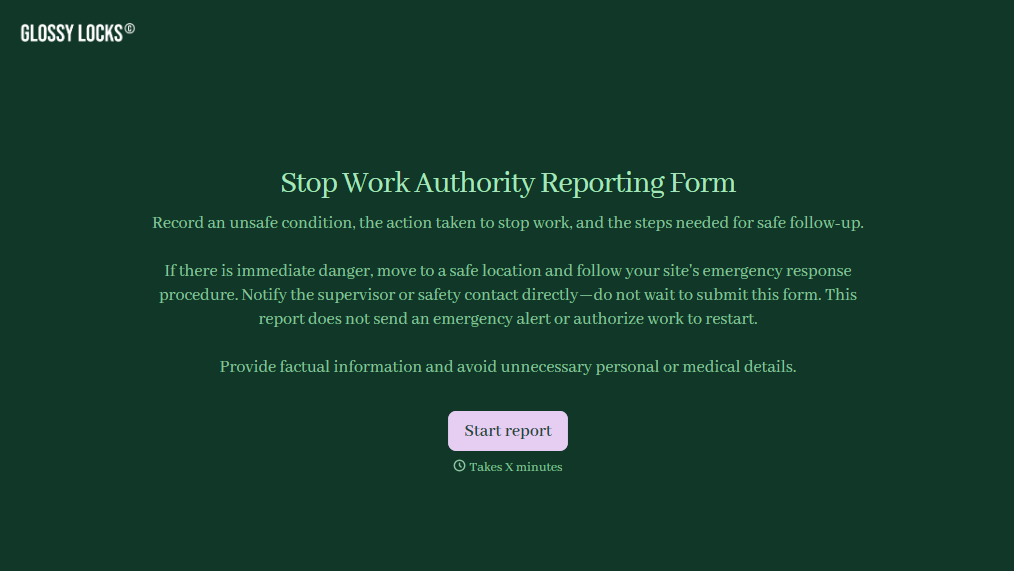
Stop Work Authority Reporting Form
Give employees a straightforward way to report unsafe working conditions and document stop work decisions with a form that collects hazard details, incident locations, and corrective actions. Keep safety reports organized so supervisors can address workplace risks, track resolutions, and support a safer working environment.
View template

Officer Daily Patrol Checklist Form
Give security teams and law enforcement agencies an easy way to document daily patrol activities with a form that collects officer information, inspection results, and incident details. Keep patrol records organized so supervisors can monitor assigned duties, identify safety concerns, and maintain accurate documentation of daily operations.
View template

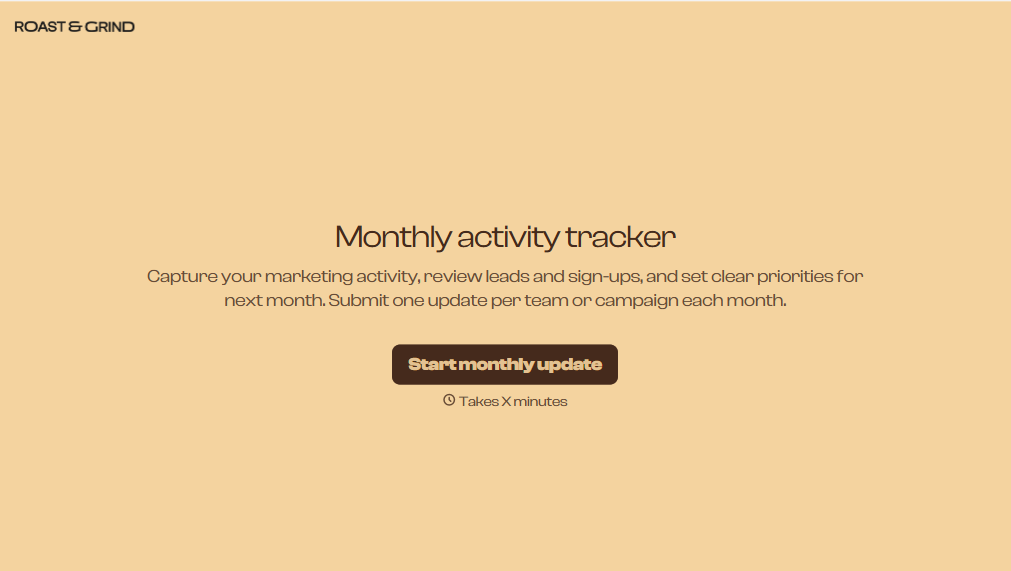
Monthly Activity Tracker Form
Give users a simple way to track monthly activities with a form that collects completed tasks, progress updates, and activity details. Keep all the records organized so individuals and teams can monitor performance, identify patterns, and stay on track with their goals.
View template
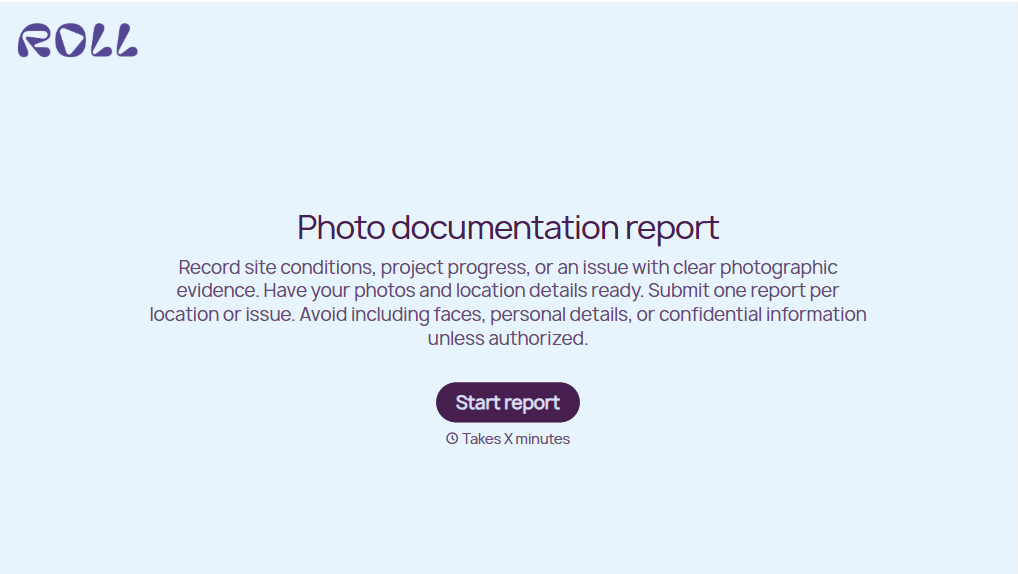
Photo Documentation Report Form
Give teams a straightforward way to document projects, inspections, and incidents with a form that collects photographs, descriptions, and location details. Keep visual records organized so your team can track conditions, verify completed work, and maintain accurate documentation for future reference.
View template
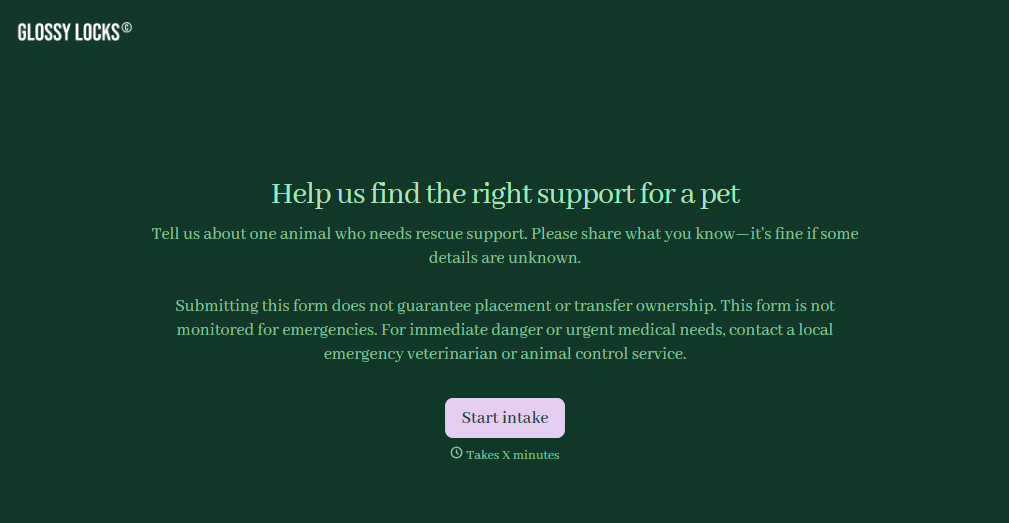
Pet Rescue Intake Form
Give animal rescue organizations a straightforward way to collect information about animals entering their care with a form that gathers pet details, medical history, and behavioral needs. Keep intake records organized so rescue teams can assess each animal's condition, coordinate veterinary care, and prepare for safe placement in foster homes or shelters.
View template
With Typeform, you can customize everything
Change text, colors, and even logos to match the look and feel of your brand. Then embed forms smoothly onto web and email.
Make forms feel effortless to fill out. Pace questions, call people by their name, and adapt the flow based on the data they share.
Stay efficient by connecting forms to your workflow. Typeform integrates with 300+ tools including Slack, Zapier, and HubSpot.