Noise Exposure Monitoring Form
Document workplace noise levels and employee exposure with a structured monitoring form. Record measurements, identify high-noise areas, and track protective measures to support hearing conservation and workplace safety.



A manufacturing employee works near machinery that produces continuous noise throughout the shift. Another employee operates equipment that creates short bursts of high-intensity sound. While they both face workplace noise exposure, their exposure patterns are different. A noise exposure monitoring form helps safety teams document conditions and evaluate potential risks.
Safety professionals record employee information, work locations, monitoring dates, and measured noise levels. You can include fields for exposure duration, equipment used, hearing protection, and monitoring methods. Space for observations helps document changing conditions, unusual noise sources, and recommended safety measures.
Your team gets consistent records of workplace noise exposure and monitoring results. Safety managers can identify areas requiring attention, review protective measures, and plan additional assessments. Employees benefit from documented efforts to evaluate noise hazards and reduce exposure.
A noise exposure monitoring form documents workplace noise measurements and employee exposure levels. It typically includes monitoring locations, sound levels, exposure durations, measurement methods, and protective equipment. Employers and occupational safety professionals use it to assess noise hazards and support hearing conservation programs.
Excessive workplace noise can contribute to permanent hearing damage. A structured monitoring form helps safety teams collect consistent measurements, identify exposure patterns, and document protective measures. It also supports compliance reviews, hearing conservation planning, and decisions about additional noise controls.
Collect the information needed to document workplace noise exposure, which includes:
- Employee name or identification number
- Job title and work department
- Monitoring date and location
- Noise sources and equipment involved
- Monitoring method and measurement device
- Equipment calibration details
- Measured noise levels in decibels
- Exposure duration and work shift length
- Time-weighted average exposure
- Peak or maximum noise levels
- Hearing protection used
- Existing engineering or administrative controls
- Recommended corrective actions
- Assessor name and review date
Adjust the fields to reflect your workplace hazards, monitoring procedures, and applicable regulations.
Organize questions into sections for employee information, monitoring conditions, measurements, and safety controls. Use dropdown menus for departments and equipment types, along with numerical fields for sound levels and exposure durations. Include checkboxes for hearing protection and existing controls. Conditional logic can display additional questions when measurements exceed established exposure thresholds.
Under OSHA's general industry standard, employers must monitor noise exposure when information indicates that employees could be exposed at or above the 85-decibel, eight-hour time-weighted average action level. Monitoring must be repeated when changes in production, processes, equipment, or controls could increase exposure. Requirements differ across industries, so employers should follow the regulations applicable to their operations.
Get inspired by relevant templates and categories
3200+ Templates, 300+ Integrations
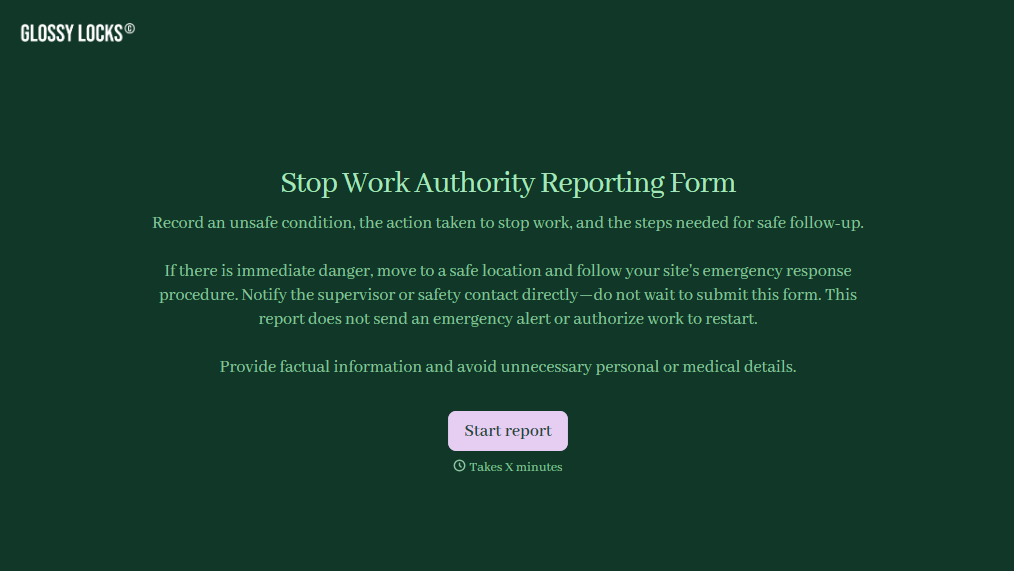
Stop Work Authority Reporting Form
Give employees a straightforward way to report unsafe working conditions and document stop work decisions with a form that collects hazard details, incident locations, and corrective actions. Keep safety reports organized so supervisors can address workplace risks, track resolutions, and support a safer working environment.
View template

Officer Daily Patrol Checklist Form
Give security teams and law enforcement agencies an easy way to document daily patrol activities with a form that collects officer information, inspection results, and incident details. Keep patrol records organized so supervisors can monitor assigned duties, identify safety concerns, and maintain accurate documentation of daily operations.
View template

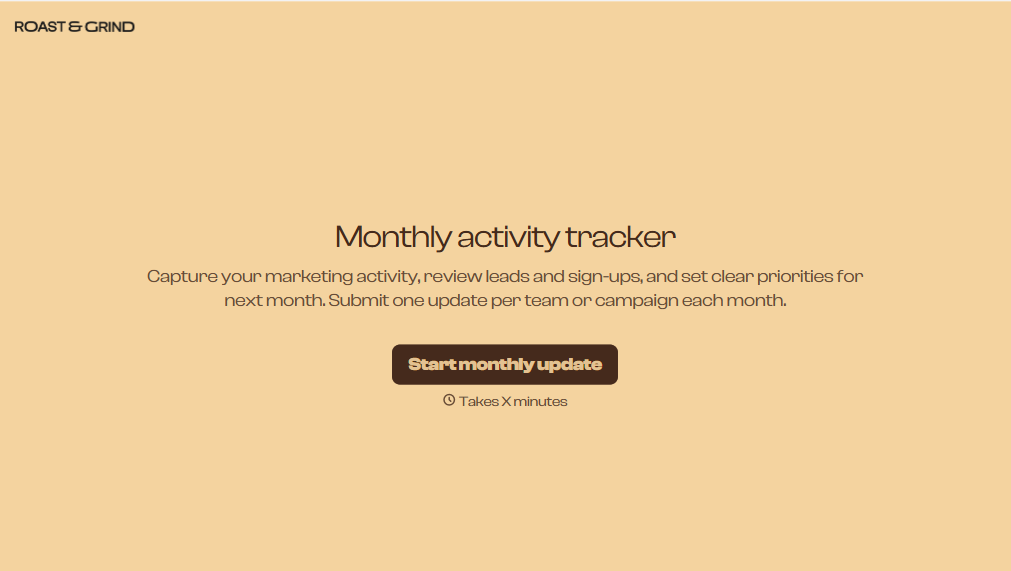
Monthly Activity Tracker Form
Give users a simple way to track monthly activities with a form that collects completed tasks, progress updates, and activity details. Keep all the records organized so individuals and teams can monitor performance, identify patterns, and stay on track with their goals.
View template
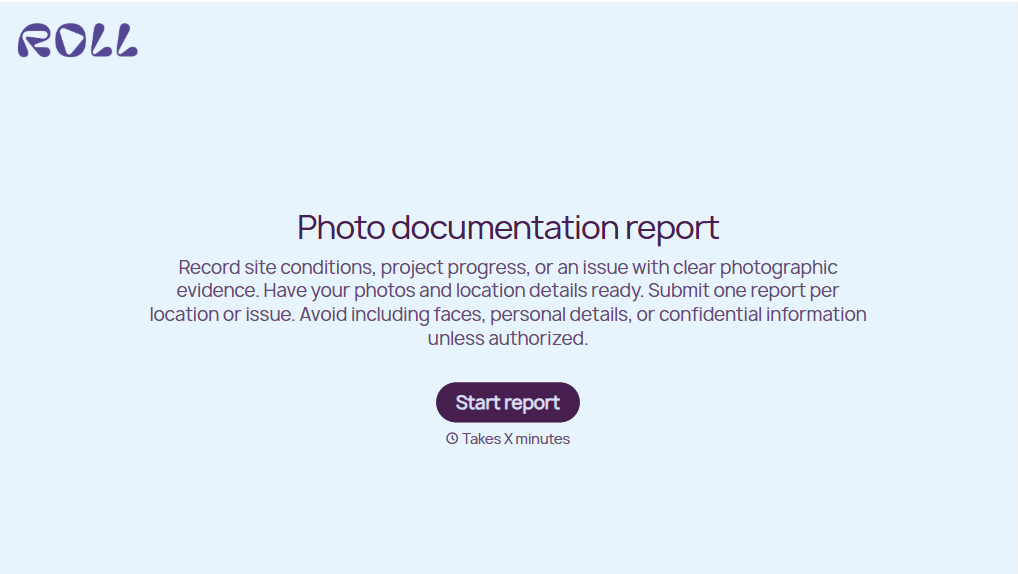
Photo Documentation Report Form
Give teams a straightforward way to document projects, inspections, and incidents with a form that collects photographs, descriptions, and location details. Keep visual records organized so your team can track conditions, verify completed work, and maintain accurate documentation for future reference.
View template
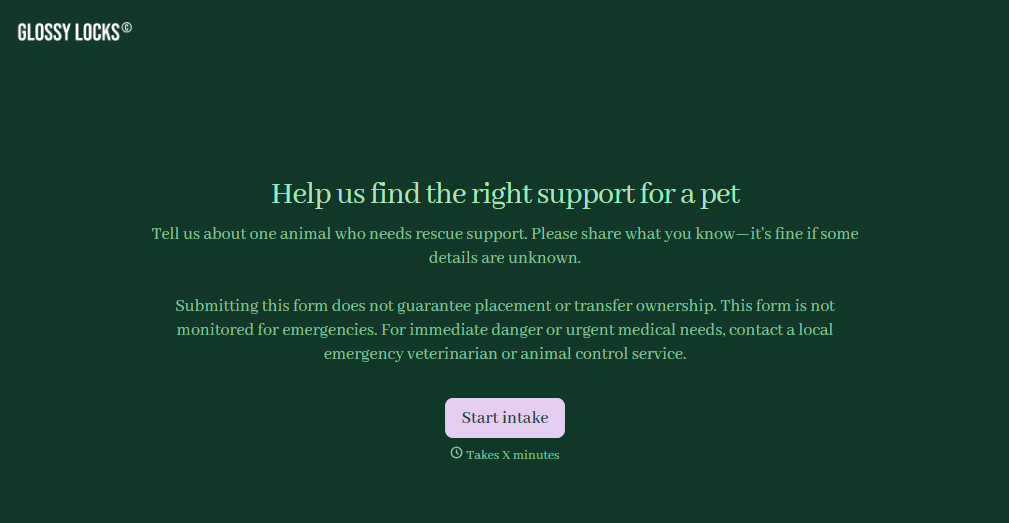
Pet Rescue Intake Form
Give animal rescue organizations a straightforward way to collect information about animals entering their care with a form that gathers pet details, medical history, and behavioral needs. Keep intake records organized so rescue teams can assess each animal's condition, coordinate veterinary care, and prepare for safe placement in foster homes or shelters.
View template
With Typeform, you can customize everything
Change text, colors, and even logos to match the look and feel of your brand. Then embed forms smoothly onto web and email.
Make forms feel effortless to fill out. Pace questions, call people by their name, and adapt the flow based on the data they share.
Stay efficient by connecting forms to your workflow. Typeform integrates with 300+ tools including Slack, Zapier, and HubSpot.