Project Request Form Template
Turn vague project asks into structured, actionable briefs.



"Hey, can your team handle this?" That message — dropped into Slack, email, or a hallway conversation, is how most internal projects start. It's also exactly why projects get misunderstood, under-scoped, and delivered late. When there's no formal intake process, every request becomes a guessing game.
This project request form template standardizes how work enters your team's pipeline. It captures the project objective, requirements, stakeholders, timeline, budget, and priority level, all before anyone commits resources. Conditional logic adjusts the form based on project type (creative, technical, operational), so each request collects the right details for the right team.
Share it with internal stakeholders or external clients. Submissions flow into your project management tool, ticketing system, or a prioritization spreadsheet, giving your team the context they need to plan, estimate, and deliver.
A project request form is a standardized intake document that captures the details of a proposed project before work begins. It typically includes the project's objective, scope, timeline, budget, and key stakeholders. It replaces informal requests with a structured brief that gives execution teams the information they need to evaluate, prioritize, and plan.
Without one, requests arrive incomplete, priorities are unclear, and teams waste time chasing context. A formal process ensures every project starts with the same baseline of information, makes it easier to compare and prioritize competing requests, and creates accountability for both the requester and the team doing the work.
- Project name and brief description
- Requester name and department
- Business objective or problem being solved
- Scope and key deliverables
- Target completion date
- Budget or resource constraints
Include a priority field in the form (critical, high, medium, low) and a field for business impact. Route submissions to a review meeting or governance board where requests are evaluated against capacity and strategic goals. Having all requests in a single, structured format makes apples-to-apples comparison possible, which is half the battle.
Yes. Use conditional logic to branch the form based on whether the requester is internal or external. Internal requests might skip billing information but include department and budget code fields. External requests might include contract references and client contact details. One form, 2 audiences, no confusion.
Get inspired by relevant templates and categories
3200+ Templates, 300+ Integrations
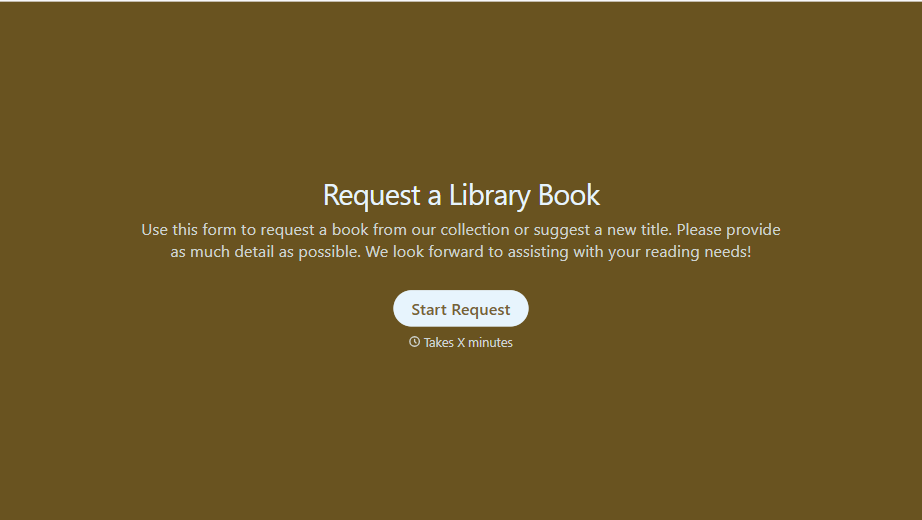
Library Book Request Form
A book request scrawled on a sticky note at the front desk doesn't make it into any queue, and it definitely doesn't get anyone a call when the book actually arrives. Collect what your library actually needs, the title, patron information, and how they'd like to be notified, before the note gets buried under the next stack of returns.
View template
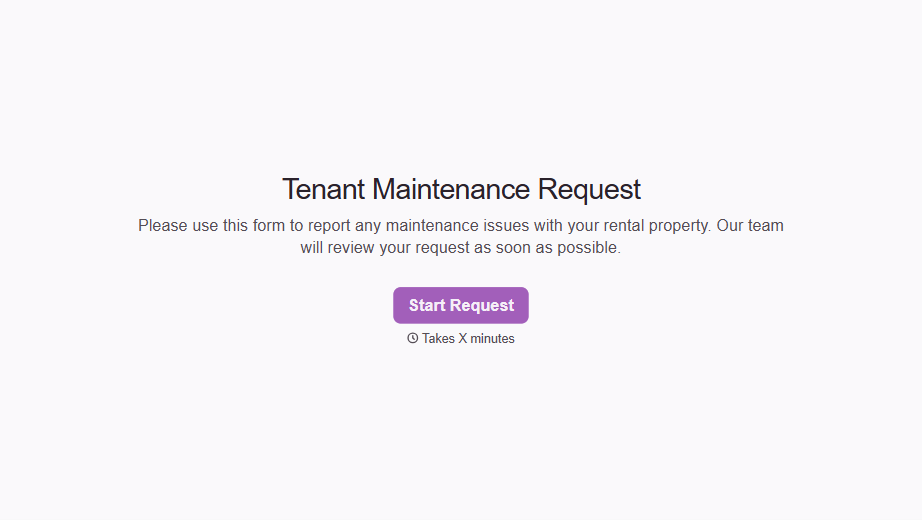
Tenant Repair Request Form
A text message about a leaky faucet sent at 11pm isn't a work order your maintenance team can act on efficiently, especially without a photo or a unit number attached. Collect the property, the issue, and how urgent it is before the request lands in someone's texts, so a repair doesn't wait on a landlord scrolling back through old messages.
View template
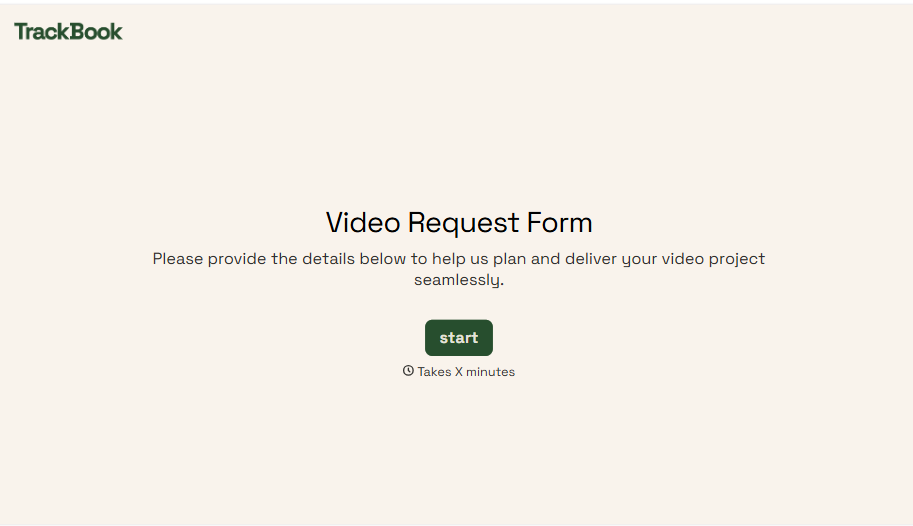
Video Request Form
A Slack message asking for "a quick video for the launch" isn't a creative brief your video team can actually start from. Collect the project purpose, deadline, and deliverable specs before the request lands in a queue, so your team isn't reworking a video built on assumptions the requester never actually stated.
View template
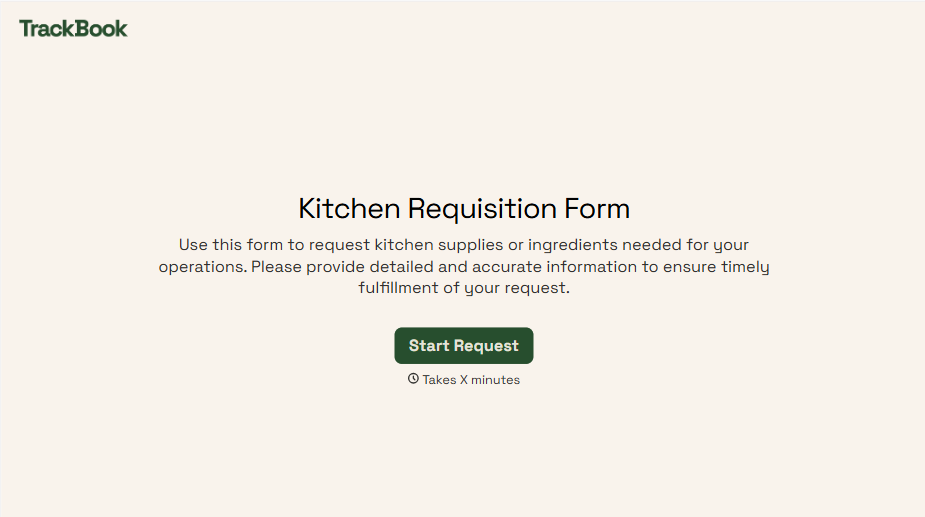
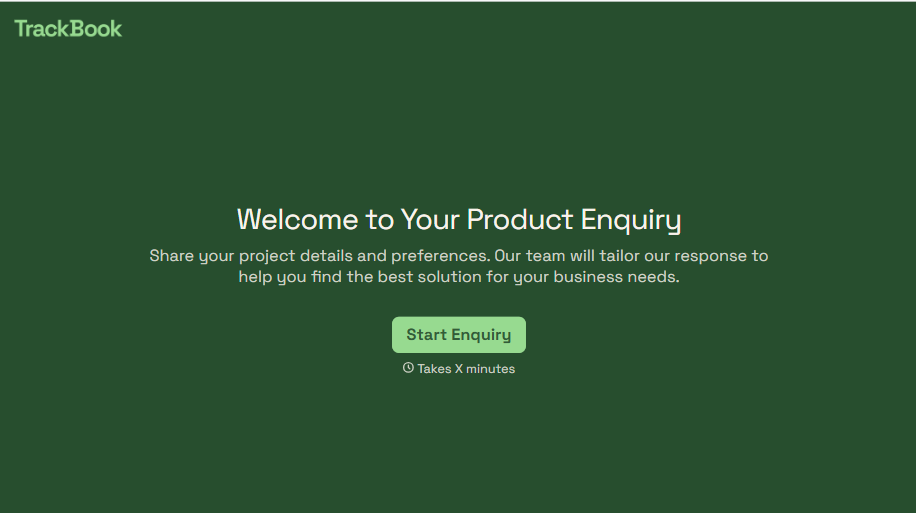
Product Enquiry Form
A generic "I'm interested in your product, can you tell me more?" email doesn't tell your sales team which product, what quantity, or what the customer's actually trying to do with it. Collect what your team actually needs, product interest, quantity, and use case, before you reply.
View template
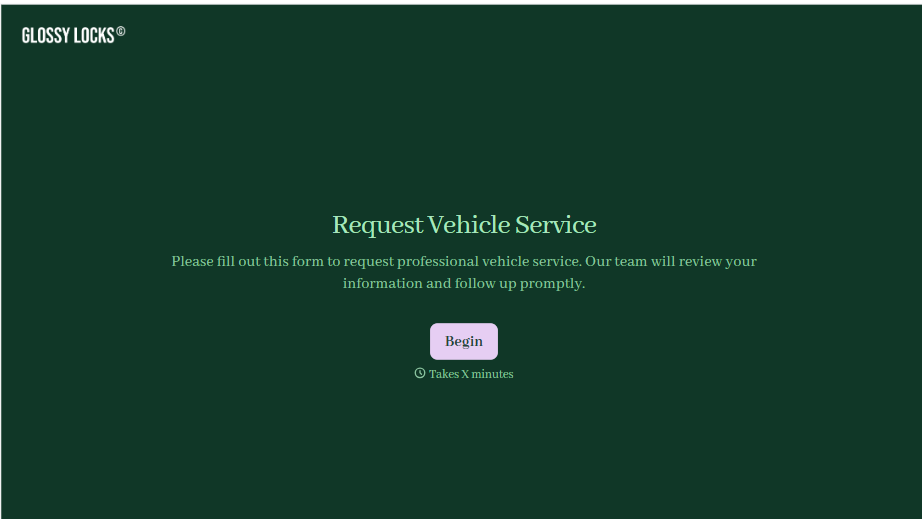
With Typeform, you can customize everything
Change text, colors, and even logos to match the look and feel of your brand. Then embed forms smoothly onto web and email.
Make forms feel effortless to fill out. Pace questions, call people by their name, and adapt the flow based on the data they share.
Stay efficient by connecting forms to your workflow. Typeform integrates with 300+ tools including Slack, Zapier, and HubSpot.