Training Evaluation Form Template
Measure what your training actually achieved, not what people thought about the snacks.


There's a difference between a training session that felt good and one that actually changed behavior. Smile sheets (those quick "rate the instructor" surveys) capture satisfaction but miss effectiveness. Did participants learn the material? Can they apply it? Will it change how they work? These are the questions that justify your training budget, and most evaluation forms don't touch them.
This training evaluation form template goes beyond surface-level satisfaction. Built around established evaluation frameworks, it measures reaction, learning, and intended application in a single, engaging flow. Rating scales capture quantitative data for comparison across sessions, while open-ended questions surface the qualitative insights that drive real improvement. Conditional logic adjusts depth based on training type, so a 1-hour webinar gets a lighter evaluation than a 3-day workshop.
Responses sync to Google Sheets or your LMS via integrations, creating a longitudinal dataset you can analyze across trainers, topics, and time periods. Share the form immediately after the session for highest response rates, and use the data to refine content, improve facilitation, and demonstrate ROI to stakeholders.
A training evaluation form is a structured assessment tool used to measure the effectiveness of a training program. It goes beyond satisfaction ratings to evaluate whether participants gained knowledge, developed skills, and plan to apply what they learned. The data helps L&D professionals improve future training and demonstrate program value to leadership.
Feedback focuses on the experience: was the instructor engaging, was the room comfortable, was the content clear. Evaluation focuses on outcomes: did participants learn the material, can they apply it, and will it impact their performance. Both are valuable, but evaluation tells you whether the training achieved its actual purpose, not whether people enjoyed attending.
- Confidence level in applying the material before vs. after training
- Key concepts or skills learned during the session
- Specific ways the participant plans to apply the training in their role
- Barriers they anticipate when implementing what they learned
- Rating of training content relevance to their daily responsibilities
- Recommendations for additional training topics or follow-up sessions
Both, ideally. An immediate evaluation captures reaction and initial learning while the experience is fresh. A follow-up evaluation 30-60 days later measures actual application and behavior change. The immediate evaluation tells you how well the training was delivered. The delayed one tells you whether it stuck. This template works well for the immediate assessment; consider a shorter follow-up form for the later check-in.
Look for patterns across multiple sessions. If participants consistently rate content relevance low for a particular module, rework the content. If application confidence is high but follow-up surveys show low actual implementation, the problem might be workplace barriers, not training quality. Compare evaluations across different trainers delivering the same content to identify facilitation best practices. Data is only useful if you close the loop.
Get inspired by relevant templates and categories
3200+ Templates, 300+ Integrations
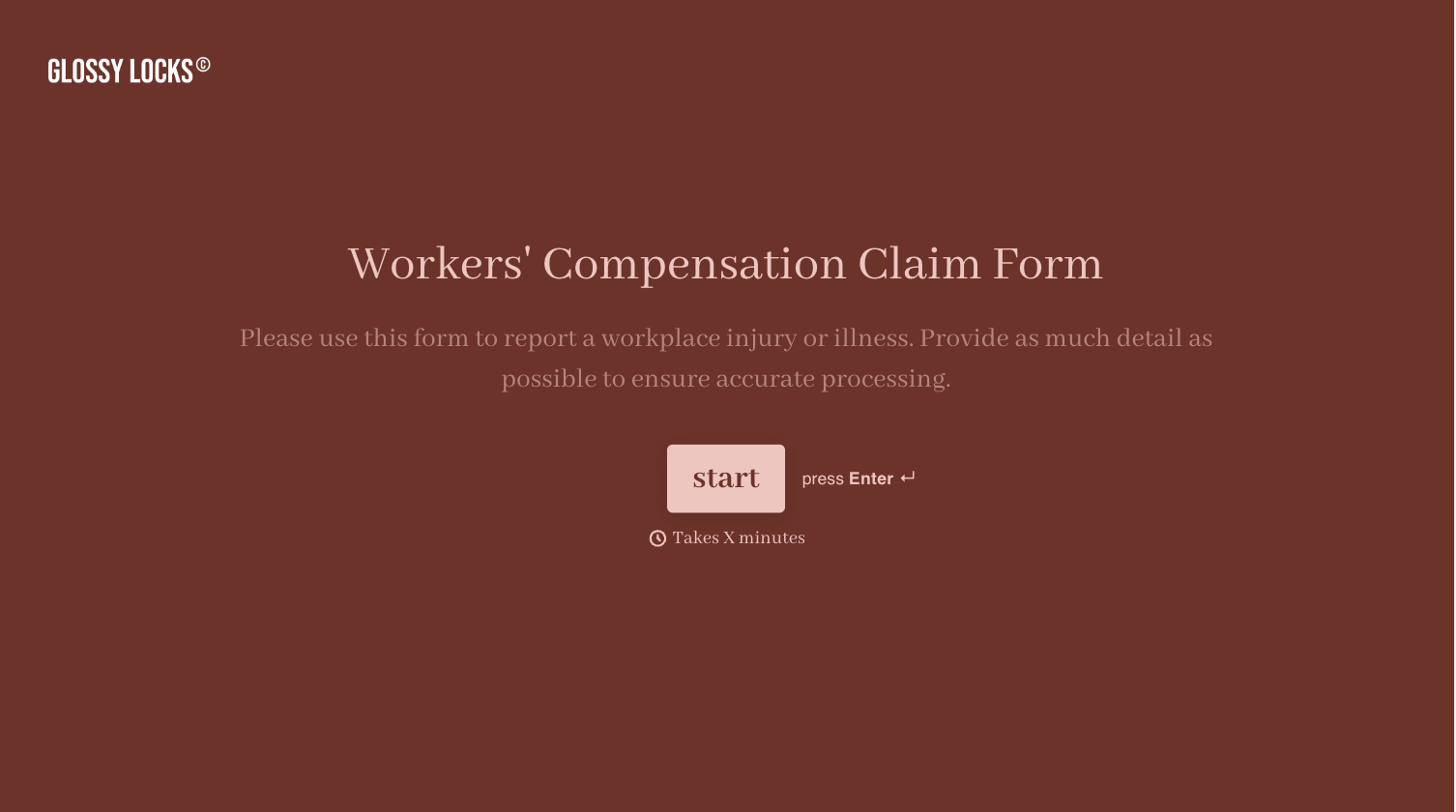
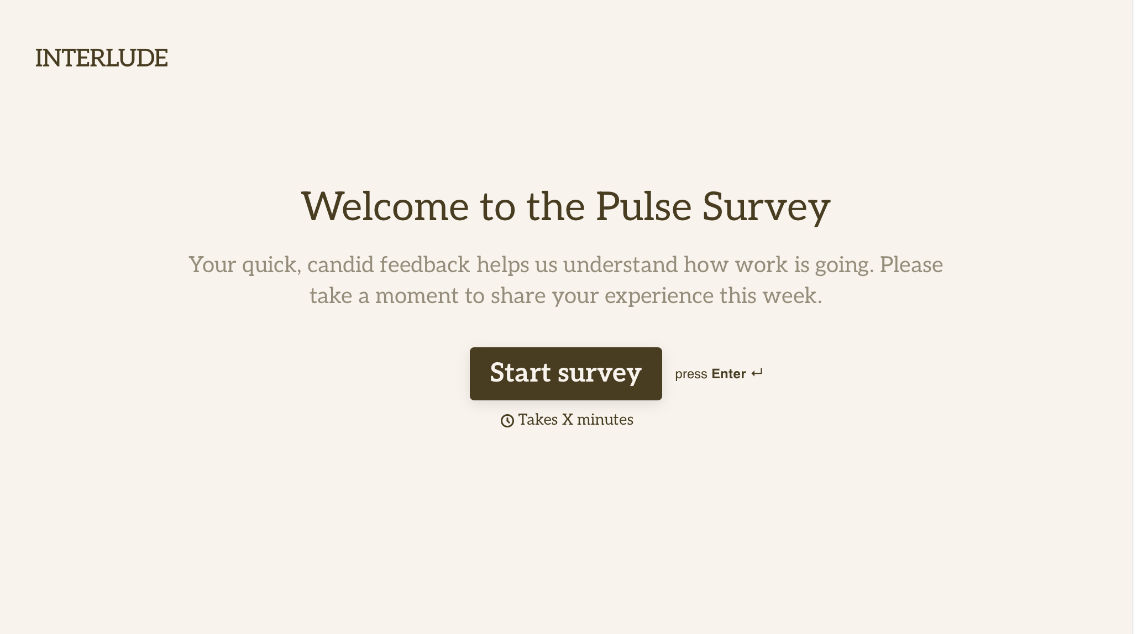
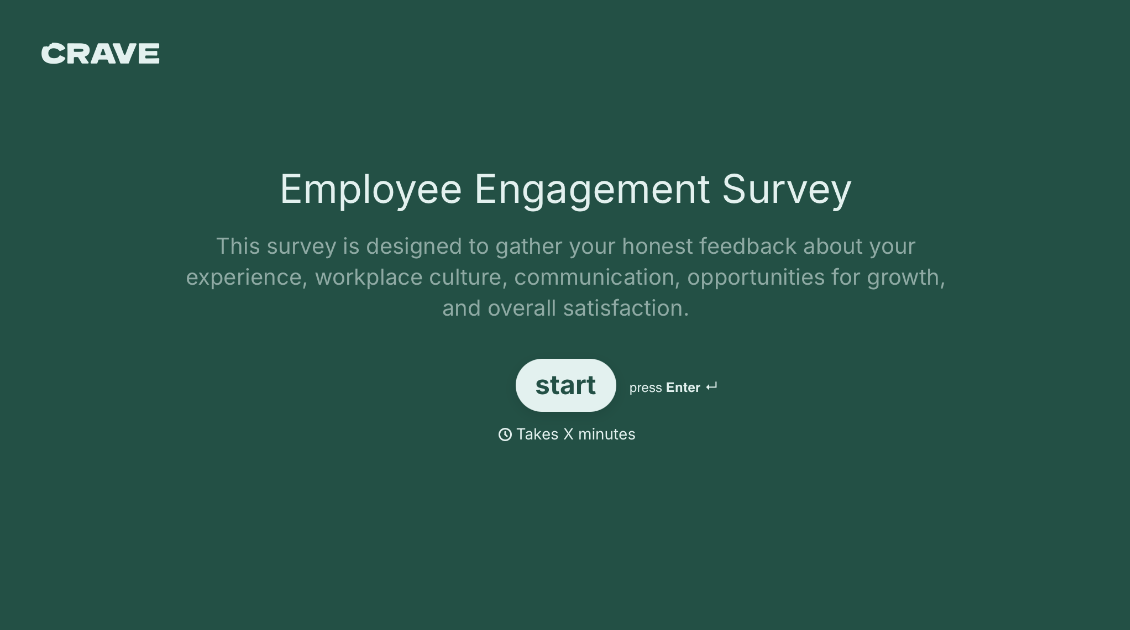
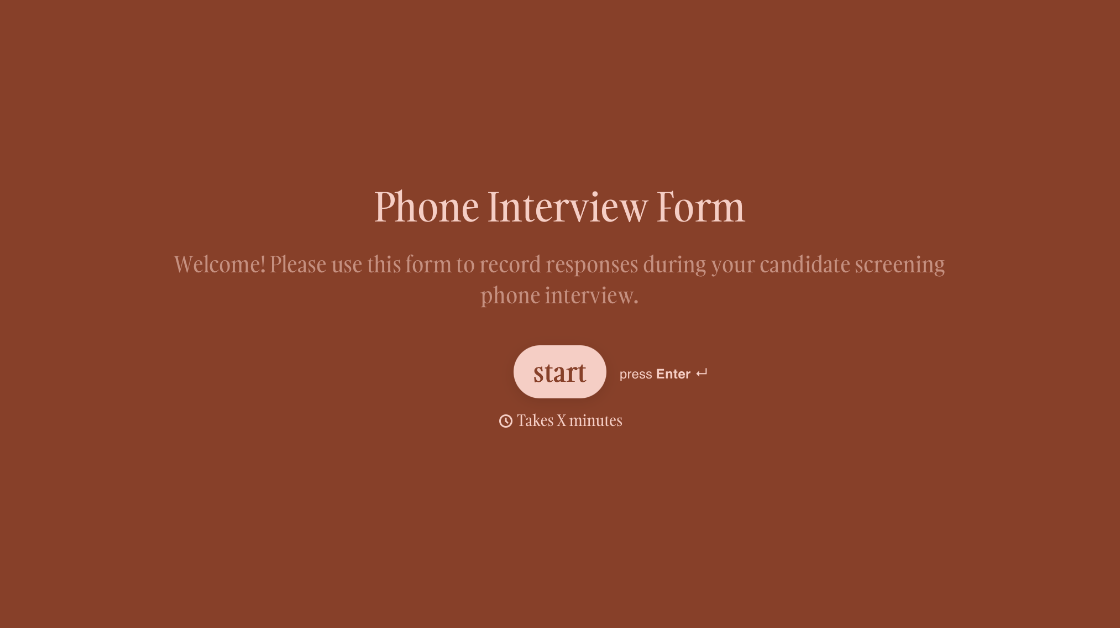
With Typeform, you can customize everything
Change text, colors, and even logos to match the look and feel of your brand. Then embed forms smoothly onto web and email.
Make forms feel effortless to fill out. Pace questions, call people by their name, and adapt the flow based on the data they share.
Stay efficient by connecting forms to your workflow. Typeform integrates with 300+ tools including Slack, Zapier, and HubSpot.