Student Self Evaluation Form Template
Help students reflect on their own learning, and take ownership of it.



Grades measure output. Self-evaluation measures understanding. There's a difference. A student can ace a test without recognizing what they learned, or struggle with a project while developing critical thinking skills they can't articulate. Self-evaluation bridges that gap — it asks students to think about how they learn, not just what they scored.
This student self evaluation form template guides learners through reflecting on their effort, understanding, participation, and areas for growth. The one-question-at-a-time format gives each question space, encouraging thoughtful answers instead of rushed checkboxes. Conditional logic adjusts the evaluation based on course type or grade level, keeping questions age-appropriate and relevant.
Share it at the end of a unit, semester, or project. Responses give teachers insight into student self-awareness, help identify learners who are struggling silently, and create a foundation for more productive parent-teacher or student-teacher conversations.
A student self evaluation form is a reflective tool that asks learners to assess their own performance, effort, and understanding. It typically covers academic achievement, participation, study habits, and personal growth. The goal isn't to replace teacher assessments — it's to develop metacognitive skills that help students become more effective, self-directed learners.
It builds self-awareness, accountability, and critical thinking. Students who regularly reflect on their learning develop a clearer understanding of their strengths, weaknesses, and study strategies. Research consistently shows that metacognitive practices improve academic outcomes — students who think about their thinking learn more effectively.
- How would you rate your effort in this course? (rating scale)
- What topic or skill did you understand best?
- What was the most challenging part of this course?
- How often did you participate in class discussions?
- What study strategies worked well for you?
- What would you do differently next time?
Self-evaluation can start as early as elementary school with simplified language and visual scales (smiley faces, thumbs up/down). As students mature, the questions can become more nuanced and reflective. The habit of self-assessment is the important part. The complexity grows with the student. Even young learners benefit from thinking about what they did well and what was hard.
Use self-evaluations as a complement, not a replacement. When a student rates their effort highly but their grade is low, that signals a possible gap in understanding or study strategy. A coaching opportunity. When a student rates their effort low but grades are fine, that might indicate boredom or disengagement. The combination of objective grades and subjective self-assessment gives teachers a fuller picture.
Get inspired by relevant templates and categories
3200+ Templates, 300+ Integrations
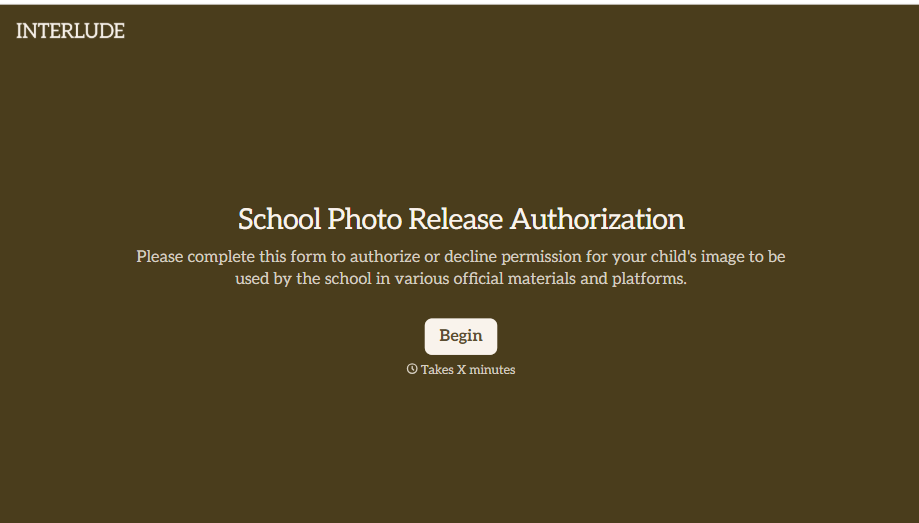
School Photo Release Form
A photo consent checkbox buried on page 12 of an enrollment packet doesn't tell a teacher who's actually opted out before they post a class photo. Collect what your school actually needs, guardian consent, and exactly where a photo can be used, before the camera comes out.
View template
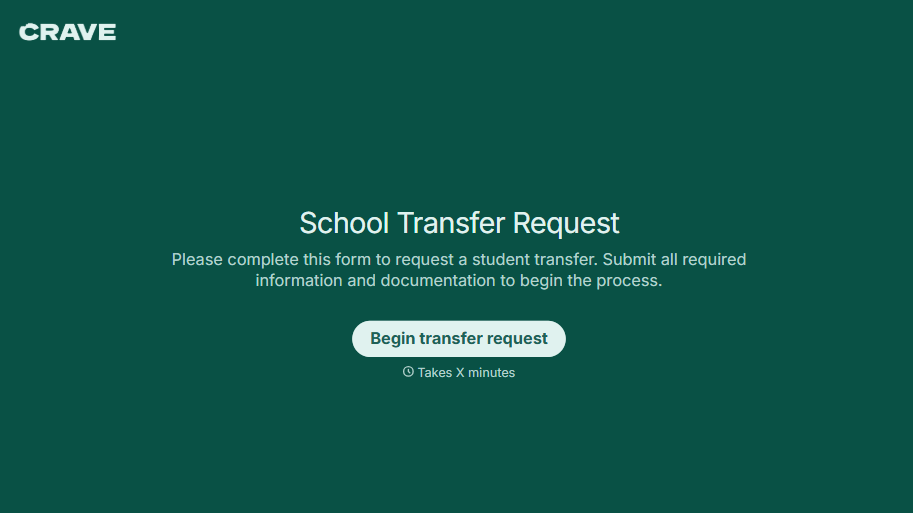
School Transfer Request Form
A transfer request dropped off at the district office isn't the kind of paperwork that gets processed before the semester it's meant for already started. Collect the student's information, reason for transfer, and supporting documentation upfront, so a request doesn't stall while the district follows up for a missing form.
View template
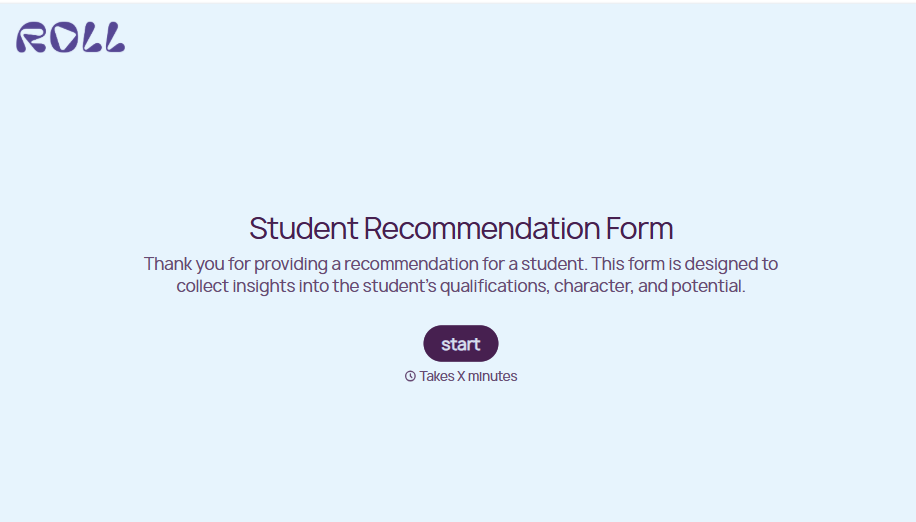
Student Recommendation Form
An email asking "can you write me a letter of recommendation" with no deadline attached isn't enough for a teacher to actually sit down and write one. Collect the program details, deadline, and what the student wants highlighted before the request lands in an inbox, so a letter doesn't get written in a rush the night it's due.
View template
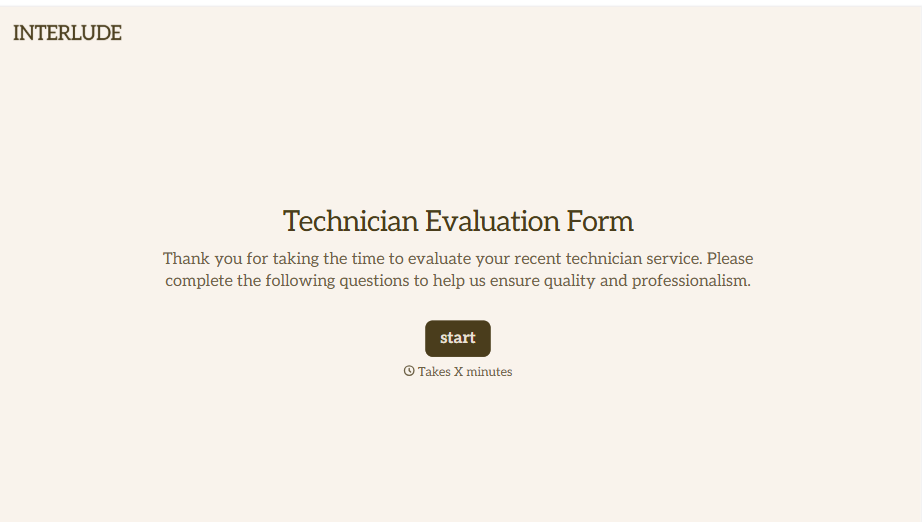
Technician Evaluation Form
A ride-along evaluation scribbled on a clipboard in the truck isn't the kind of record that holds up months later when it's time to talk about a raise or a certification renewal. Collect specific skill, safety, and customer service observations while the job's still fresh, so a technician's review is built on more than a supervisor's memory of the day.
View template
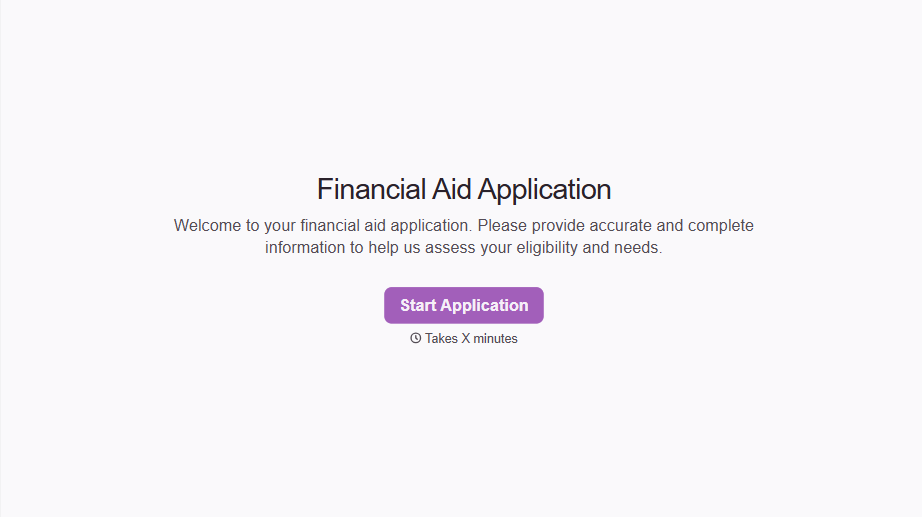
Financial Aid Application Form
A request for help with tuition mentioned to the front office in passing doesn't give your financial aid team anything to actually evaluate. Collect what your school actually needs, household information, income documentation, and need, before the deadline passes.
View template
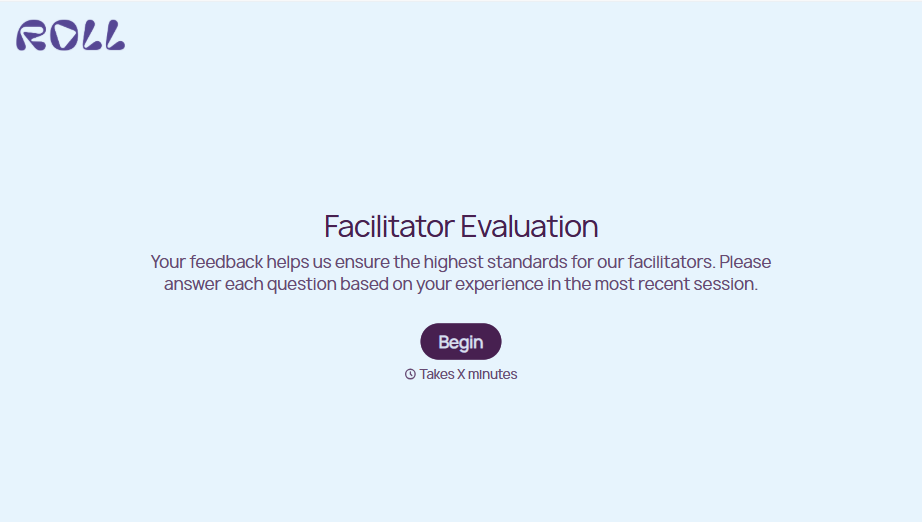
Facilitator Evaluation Form
A round of applause and a few nodding heads doesn't tell your program which facilitator's session actually clicked and which one needs coaching before the next cohort. Collect what your team actually needs, session details, ratings, and specific feedback, before everyone moves on to the next session.
View template
With Typeform, you can customize everything
Change text, colors, and even logos to match the look and feel of your brand. Then embed forms smoothly onto web and email.
Make forms feel effortless to fill out. Pace questions, call people by their name, and adapt the flow based on the data they share.
Stay efficient by connecting forms to your workflow. Typeform integrates with 300+ tools including Slack, Zapier, and HubSpot.