Scholarship Application Form Template
Review shouldn't start with an email asking someone to resend their transcript. Collect what your committee actually needs, eligibility, essays, references, before the deadline closes.



Applications arrive through whatever channel is easiest for the applicant: a generic Google Form linked from a flyer, a PDF downloaded and emailed back, a packet mailed to an office that has to be scanned before anyone can review it. Organizations running more than one award end up with a mix of formats for different scholarships, and by the time review starts, comparing applicants means opening a dozen files that don't look anything alike.
Typeform's online scholarship application form asks for what your committee needs to evaluate a candidate, applicant information, eligibility confirmation, an essay or personal statement, and reference contacts, and uses conditional logic to branch from there. An applicant selecting a need-based award can route to financial information; someone applying for a merit-based award can skip straight to academic achievements and the essay prompt for that specific fund, instead of every applicant working through questions that don't apply to their award.
Every application lands in one place instead of a shared drive of mismatched files. Connect the form to your grants management or review software through Zapier, and a submission can flag an incomplete application or a missing reference automatically. Ask for transcripts or proof of enrollment up front, and the committee starts the review with a complete file instead of an email chain chasing down what's missing.
An online scholarship application form is a form organizations use to collect applicant information, eligibility details, essays, and references before a committee reviews and awards scholarships. Instead of a PDF or a paper packet, the applicant submits everything themselves, and the committee starts with a complete file for every candidate.
A PDF gets emailed back with fields skipped or formatted differently by every applicant. A form keeps every submission structured the same way, and it can route each applicant straight to the eligibility questions and essay prompt for the specific award they're applying to.
Ask for what the committee will actually need to evaluate the application:
- Applicant name and contact information
- Eligibility criteria confirmation
- An essay or personal statement
- References or recommendation letters
- Transcripts or proof of enrollment
Not on its own. A submission gives the committee everything they need to evaluate a candidate, it doesn't decide the outcome until the committee reviews it against available funding and other applicants. Connect the form to your review software through Zapier, and a complete submission can move straight into the review queue, but a person still makes the award decision.
Yes. Add a file upload question and applicants can attach transcripts, recommendation letters, or proof of enrollment in the same submission, no separate email required. Pair it with conditional logic so the upload only appears for the documentation that specific award actually requires.
Get inspired by relevant templates and categories
3200+ Templates, 300+ Integrations
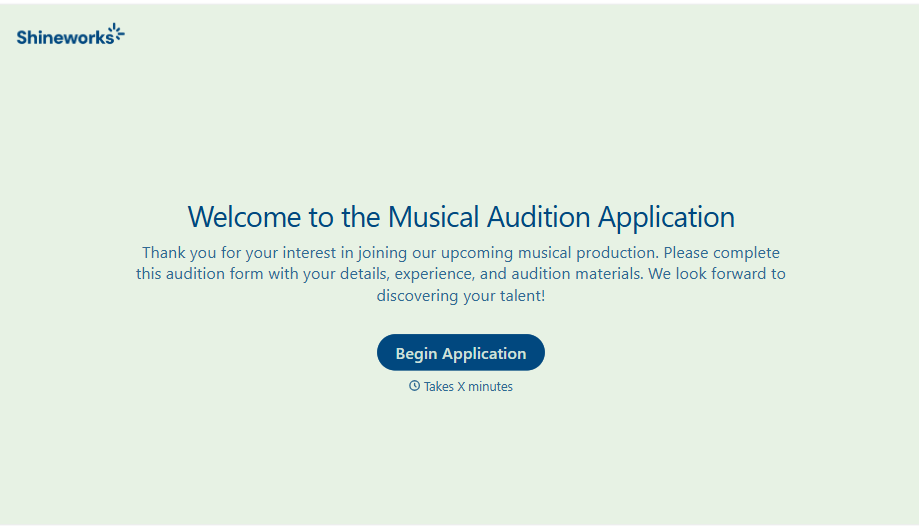
Musical Audition Form
A name scrawled on a sign-up sheet taped near the rehearsal room doesn't tell a director what role someone's after, or whether they can actually make callbacks next Tuesday. Collect what your production actually needs, contact information, role interest, and availability, before audition day arrives.
View template
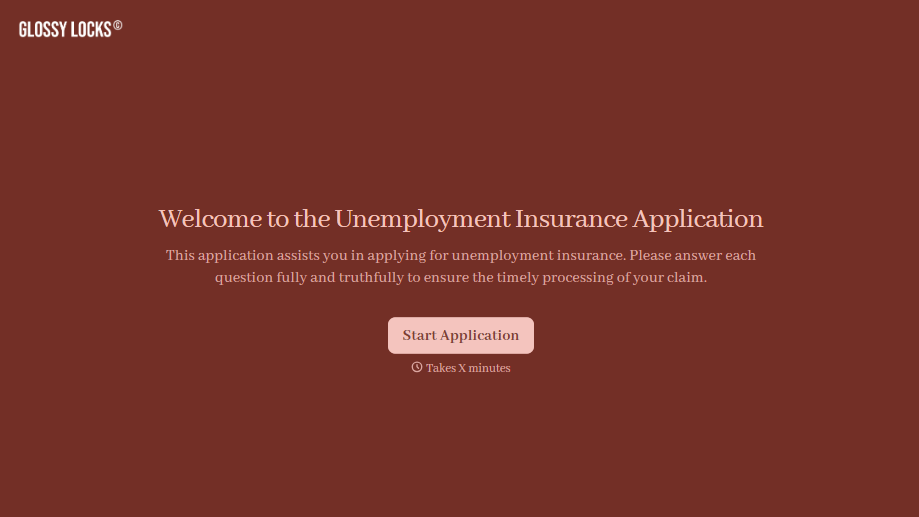
Unemployment Insurance Application Form
A stack of pay stubs gathered the morning of a filing deadline isn't the kind of preparation that gets a claim processed without delay. Collect employment history, separation details, and supporting documents before you sit down at your state's unemployment portal, so a claim doesn't stall over a missing detail.
View template
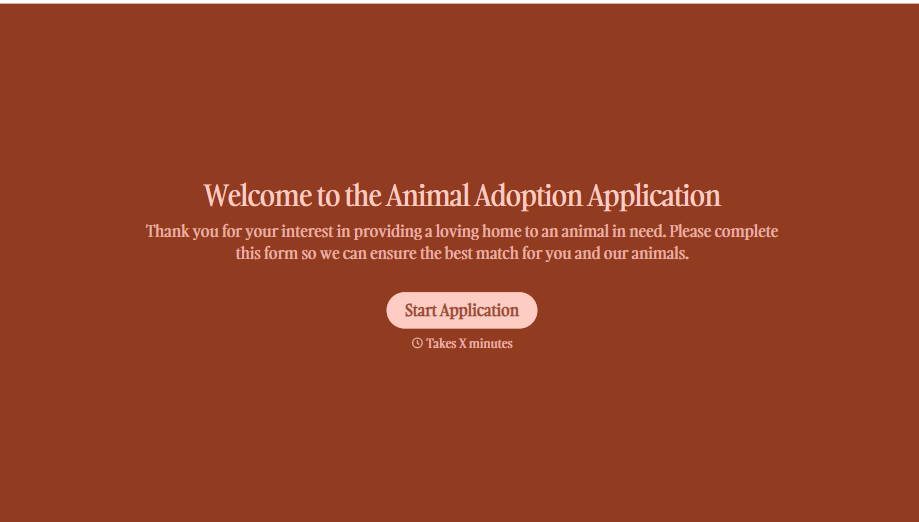
Animal Adoption Application Form
A paper application filled out at the counter while a dog's watching through the window isn't enough information to place an animal in a home that'll actually work. Collect household information, pet experience, and references before adoption day, so your staff aren't approving a placement on a rushed form.
View template
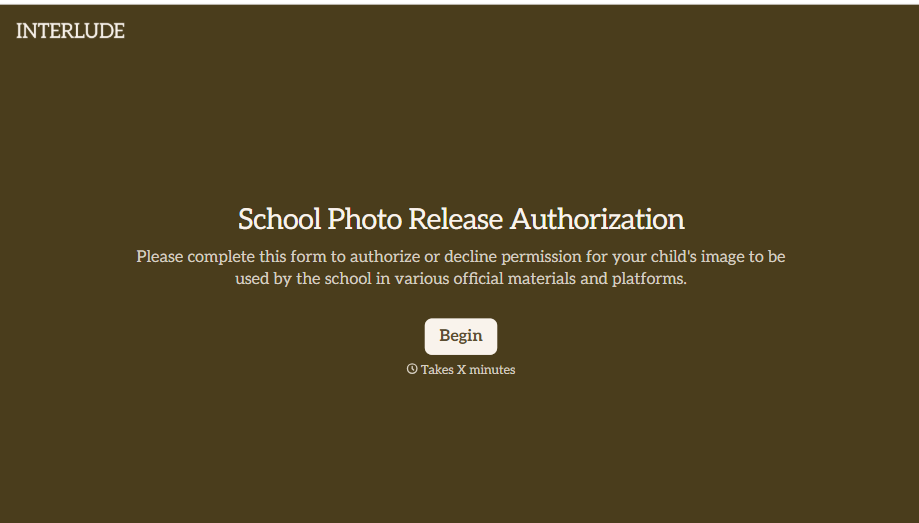
School Photo Release Form
A photo consent checkbox buried on page 12 of an enrollment packet doesn't tell a teacher who's actually opted out before they post a class photo. Collect what your school actually needs, guardian consent, and exactly where a photo can be used, before the camera comes out.
View template
School Transfer Request Form
A transfer request dropped off at the district office isn't the kind of paperwork that gets processed before the semester it's meant for already started. Collect the student's information, reason for transfer, and supporting documentation upfront, so a request doesn't stall while the district follows up for a missing form.
View template
Survey Application Form
A screener that makes someone answer 20 questions before finding out they don't qualify isn't good research design, it's a wasted respondent and a wasted budget. Collect qualifying details upfront, route ineligible applicants out quickly, and send the full survey only to people who actually fit, so your research budget isn't spent on data you can't use.
View template
With Typeform, you can customize everything
Change text, colors, and even logos to match the look and feel of your brand. Then embed forms smoothly onto web and email.
Make forms feel effortless to fill out. Pace questions, call people by their name, and adapt the flow based on the data they share.
Stay efficient by connecting forms to your workflow. Typeform integrates with 300+ tools including Slack, Zapier, and HubSpot.