Property Information Form Template
Collect detailed property details from sellers, landlords, or property managers in a consistent format. This template captures what buyers, agents, and appraisers need to know.



Property transactions stall when information is scattered across emails, listing platforms, and verbal conversations. Agents spend time piecing together details about lot size, utilities, renovations, and disclosure items that should have been collected up front. Missing information delays appraisals, underwriting, and closings.
A structured property information form brings everything together in one place. Conditional logic can adapt the form based on property type — a single-family home surfaces different questions than a multi-unit rental or commercial property. The format ensures sellers and landlords provide complete information before the process moves forward.
Customize the fields for your market and transaction type, and reduce the back-and-forth of information gathering at every step of the deal.
A property information form is a document completed by a property owner or manager to provide detailed information about a property — typically for listing, sale, appraisal, or rental purposes. It covers physical characteristics, condition, utilities, legal status, and any material facts the owner is aware of. It forms the foundation of property disclosure.
It creates a documented baseline of property information that reduces miscommunication and legal exposure. Sellers have a clear record of what they disclosed. Buyers, agents, and appraisers have a complete picture of the property. And everyone's working from the same source of truth, which speeds up transactions.
The form should cover physical characteristics, condition, and any legally required disclosures. Consider including:
- Property address and legal description
- Year built, square footage, and lot size
- Number of bedrooms, bathrooms, and other rooms
- Utility information (heating, cooling, water, sewer)
- Known defects or repairs made in the past 5 years
- HOA status and fees if applicable
- Zoning and permitted use
- Environmental hazards or assessments on record
Material disclosures are facts about a property that could affect a buyer's decision to purchase or the price they'd pay — things like water damage history, foundation issues, pest infestations, or proximity to flight paths. Most jurisdictions require sellers to disclose known material defects. Including a dedicated disclosure section in your form ensures this information is captured and documented before any offer is made.
Yes, with some modifications. For rental properties, you'll want to add sections about current tenants (lease terms, rent amounts, occupancy status) and maintenance history. Landlords completing an information form for a property management company or prospective buyer will need to provide different detail than a homeowner listing for sale.
Get inspired by relevant templates and categories
3200+ Templates, 300+ Integrations
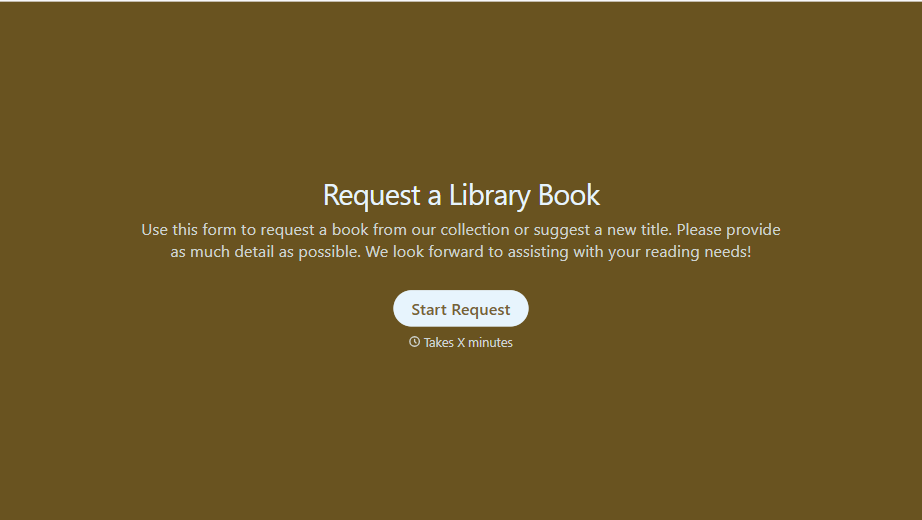
Library Book Request Form
A book request scrawled on a sticky note at the front desk doesn't make it into any queue, and it definitely doesn't get anyone a call when the book actually arrives. Collect what your library actually needs, the title, patron information, and how they'd like to be notified, before the note gets buried under the next stack of returns.
View template
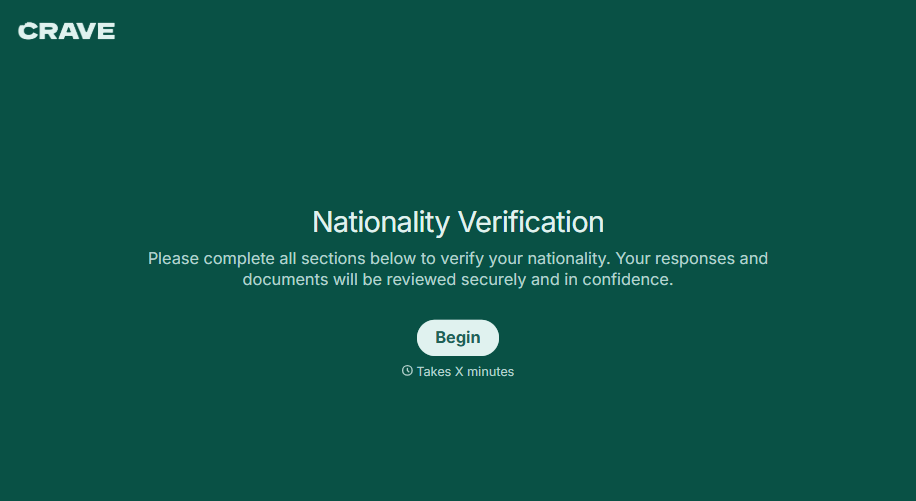
Nationality Verification Form
A self-certification buried in a stack of new account paperwork isn't the kind of record a compliance team can rely on for a regulatory filing. Collect nationality, tax residency, and a signed declaration before an account opens, so compliance isn't chasing down a customer's citizenship status after the fact.
View template
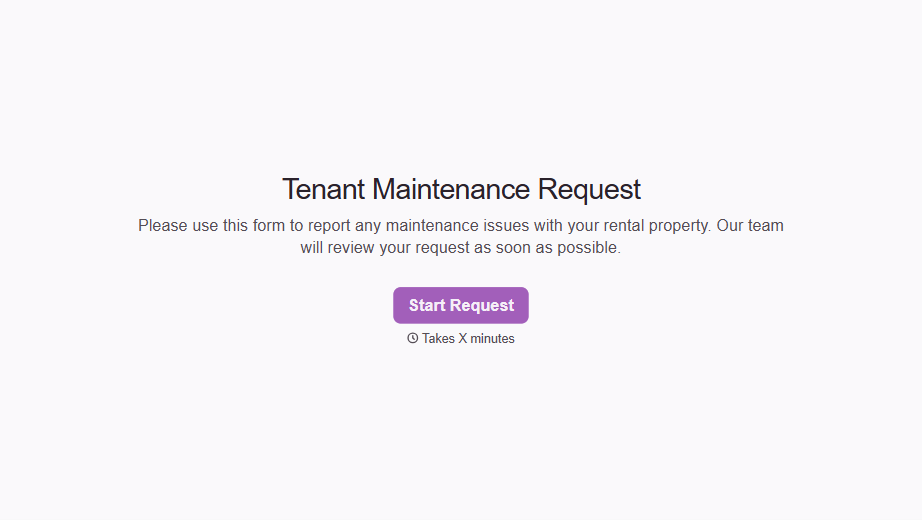
Tenant Repair Request Form
A text message about a leaky faucet sent at 11pm isn't a work order your maintenance team can act on efficiently, especially without a photo or a unit number attached. Collect the property, the issue, and how urgent it is before the request lands in someone's texts, so a repair doesn't wait on a landlord scrolling back through old messages.
View template
Video Request Form
A Slack message asking for "a quick video for the launch" isn't a creative brief your video team can actually start from. Collect the project purpose, deadline, and deliverable specs before the request lands in a queue, so your team isn't reworking a video built on assumptions the requester never actually stated.
View template
Policy Cancellation Form
A cancellation requested over the phone doesn't leave a clear record of exactly what date the policyholder actually asked for, and that date matters more than it sounds like it should. Collect what your agency actually needs, policy details, identity verification, and the requested effective date, before coverage actually ends.
View template
With Typeform, you can customize everything
Change text, colors, and even logos to match the look and feel of your brand. Then embed forms smoothly onto web and email.
Make forms feel effortless to fill out. Pace questions, call people by their name, and adapt the flow based on the data they share.
Stay efficient by connecting forms to your workflow. Typeform integrates with 300+ tools including Slack, Zapier, and HubSpot.