Change Order Form Template
Document scope changes properly, before they become disputes.



Scope creep doesn't start as a crisis. It starts with a casual "while you're at it, could you also..." And if that change doesn't get documented, priced, and approved in writing, you're either eating the cost or having an uncomfortable conversation later. Neither is a good look.
This change order form template creates a formal record of every scope modification. It captures what's changing, why, how it impacts the timeline and budget, and who's approving it. Conditional logic adjusts the form based on the type of change — an additive scope change prompts different questions than a material substitution or a timeline extension.
Share it with clients or project managers whenever a change arises. Submissions create an automatic paper trail that protects both parties. Connect it to your project management tool, email, or shared drive so every approved change is part of the project record.
A change order form is a formal document that records a modification to an existing contract, project scope, or work order. It describes the change, its impact on cost and schedule, and requires approval from authorized parties. It's the difference between a handshake agreement and a documented, enforceable amendment.
Without documented change orders, disagreements about scope, cost, and timeline become your word against theirs. Change orders protect contractors, clients, and project managers by creating a clear record of what was agreed, when, and by whom. They also help track cumulative scope changes that might individually seem small but collectively reshape a project.
- Project name and original contract reference
- Description of the requested change
- Reason for the change
- Impact on project cost (additional charges or credits)
- Impact on project timeline
- Approval signatures from both parties
Be transparent and factual. The form should clearly itemize additional costs. Labor, materials, equipment. Alongside the original budget for comparison. When clients can see exactly where the money goes, cost discussions stay professional instead of adversarial. Including a line for "no cost change" also helps when a change affects timeline but not budget.
Before the changed work begins. Always. Retroactive change orders are harder to enforce and create trust issues. The moment a change is discussed, document it in the form and get approval. Even if the change seems minor, the habit of documenting everything protects both parties as the project progresses.
Get inspired by relevant templates and categories
3200+ Templates, 300+ Integrations
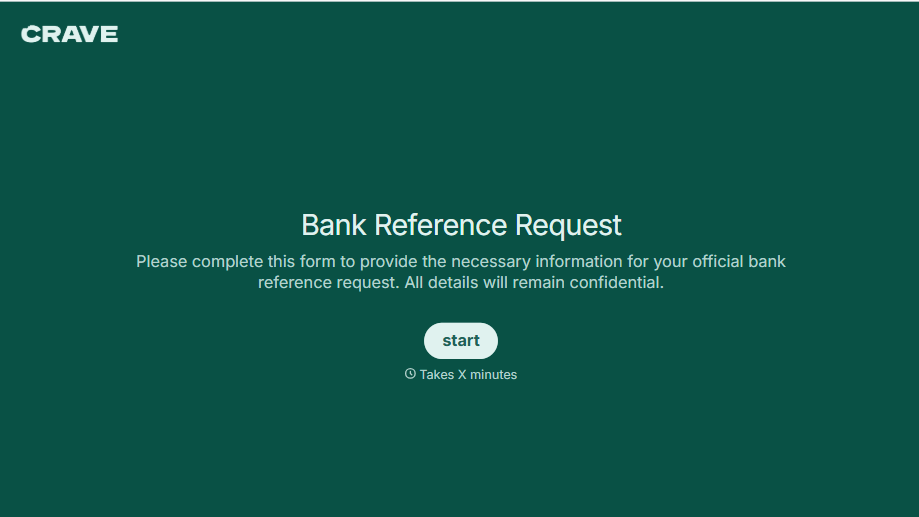
Bank Reference Form
A reference request faxed to a bank branch and left sitting in a queue for weeks isn't the kind of turnaround a landlord or business can wait on. Collect the applicant's signed authorization and the specific details you need confirmed before the request even reaches the bank, so a decision isn't stuck behind a letter that hasn't come back yet.
View template

School Photography Order Form
A paper order form stuffed in a backpack for two weeks isn't an order anyone can act on. Collect student information, package selection, and payment before picture day, so your photographer shows up with an accurate count instead of a stack of crumpled envelopes.
View template
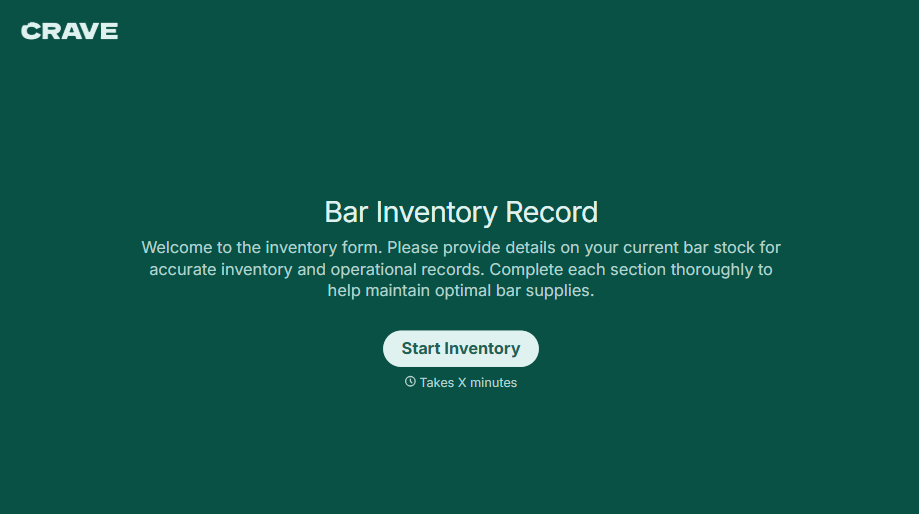
Bar Inventory Form
A bottle count eyeballed at the end of a shift and scrawled on a paper sheet doesn't hold up against a pour cost report that says something doesn't add up. Collect what your bar actually needs, item, count, and variance, on a schedule you can actually compare week to week.
View template
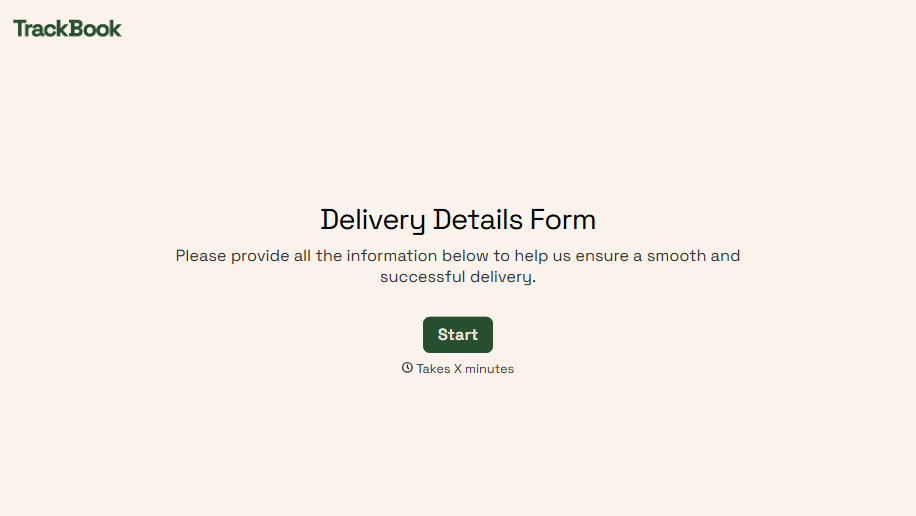
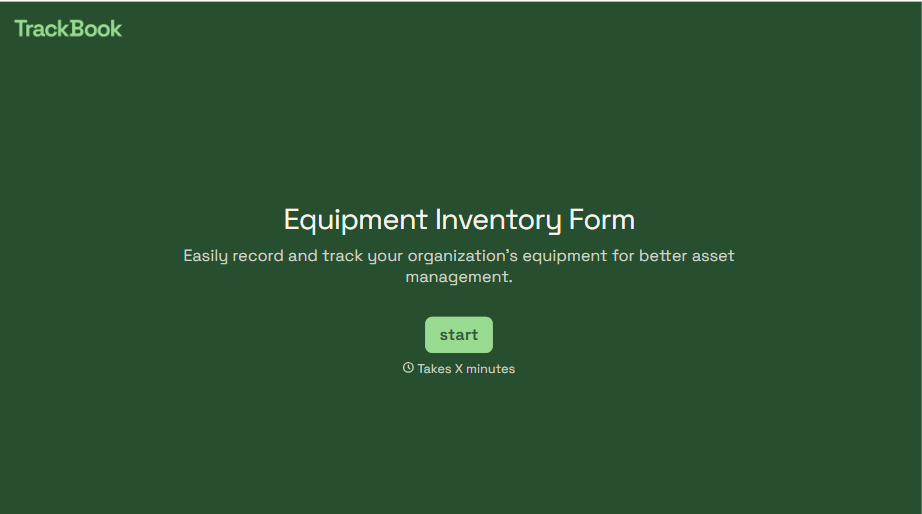
Equipment Inventory Form
Equipment that leaves a storage room in someone's arms, with no note about where it went, doesn't show up again until someone needs it and can't find it. Collect what your team actually needs, item details, condition, and who's got it, every time something moves.
View template
Nationality Verification Form
A self-certification buried in a stack of new account paperwork isn't the kind of record a compliance team can rely on for a regulatory filing. Collect nationality, tax residency, and a signed declaration before an account opens, so compliance isn't chasing down a customer's citizenship status after the fact.
View template
With Typeform, you can customize everything
Change text, colors, and even logos to match the look and feel of your brand. Then embed forms smoothly onto web and email.
Make forms feel effortless to fill out. Pace questions, call people by their name, and adapt the flow based on the data they share.
Stay efficient by connecting forms to your workflow. Typeform integrates with 300+ tools including Slack, Zapier, and HubSpot.