Asset Allocation Form
Get a client's allocation instructions without three emails to reconcile numbers that don't match. Capture risk tolerance and target allocation in one submission you can act on.



Asset allocation requests usually come back inconsistent. One client sends percentages, another sends dollar amounts, and someone forgets an asset class entirely. By the time the numbers reconcile, you've had three exchanges over what should have been one submission.
Typeform's asset allocation form collects a client's risk tolerance and target allocation across asset classes — stocks, bonds, cash, alternatives — in a structured order, with conditional logic so someone who selects a conservative profile doesn't see high-risk options they said they don't want. A Number question for each asset class keeps entries consistent, and a Signature question captures sign-off on the instructions before you act on them.
Every allocation instruction comes in the same format — risk tolerance, target percentages, and a signature — instead of one more thread to reconcile by hand. You review one submission per client instead of chasing down what changed since the last email.
An asset allocation form is an online form a client or plan participant completes to specify how they want their investments split across asset classes — like stocks, bonds, cash, and alternatives — often alongside a risk tolerance assessment. Advisors and retirement plan administrators use it to document a client's allocation instructions before acting on them.
An emailed allocation request comes back in whatever format the client used — some send percentages, some send dollar amounts, some skip an asset class they forgot about. A form asks for the same categories in the same order every time, so you're reviewing one consistent submission instead of reconciling three different layouts before you can act on it.
Capture what you need to document and act on the instruction:
- Client name and account or plan identifier
- Risk tolerance or investment objective
- Target allocation by asset class
- Date of the instruction
- Signature confirming the allocation
Not natively. Typeform doesn't have a built-in allocation or constant-sum question type that validates totals automatically — you can collect percentages with Number questions, but confirming they sum to 100% takes a manual review or a logic-based workaround using variables. Plan for that check as a step after submission rather than assuming the form enforces it.
Yes. Add a Signature question and clients can type, draw, or upload a signature to confirm the allocation before you act on it — no separate document to print and return. It covers basic electronic signature standards (ESIGN, UETA, eIDAS) and is available on Growth Flow, Growth Custom, and Enterprise plans.
Get inspired by relevant templates and categories
3200+ Templates, 300+ Integrations
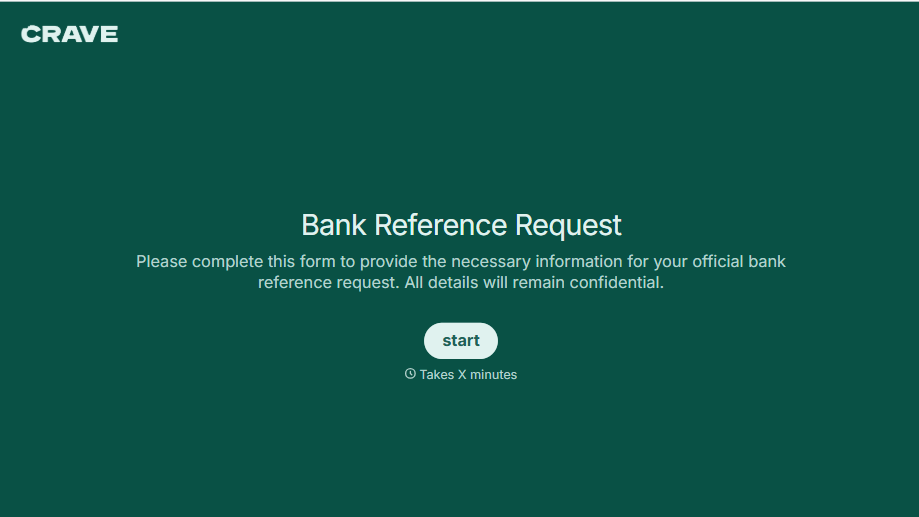
Bank Reference Form
A reference request faxed to a bank branch and left sitting in a queue for weeks isn't the kind of turnaround a landlord or business can wait on. Collect the applicant's signed authorization and the specific details you need confirmed before the request even reaches the bank, so a decision isn't stuck behind a letter that hasn't come back yet.
View template
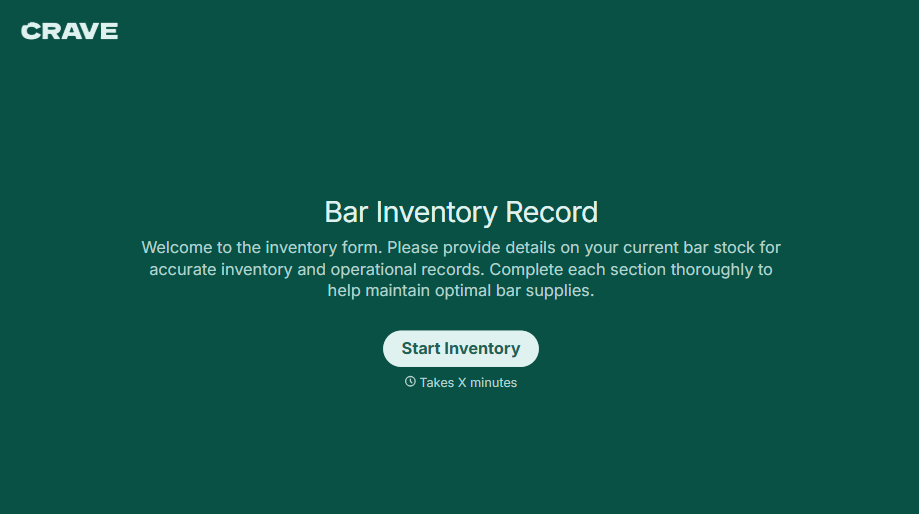
Bar Inventory Form
A bottle count eyeballed at the end of a shift and scrawled on a paper sheet doesn't hold up against a pour cost report that says something doesn't add up. Collect what your bar actually needs, item, count, and variance, on a schedule you can actually compare week to week.
View template
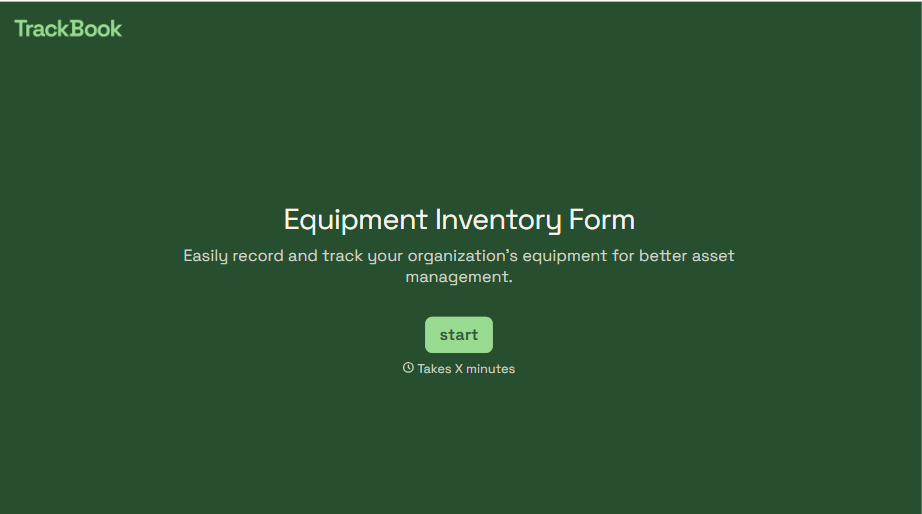
Equipment Inventory Form
Equipment that leaves a storage room in someone's arms, with no note about where it went, doesn't show up again until someone needs it and can't find it. Collect what your team actually needs, item details, condition, and who's got it, every time something moves.
View template
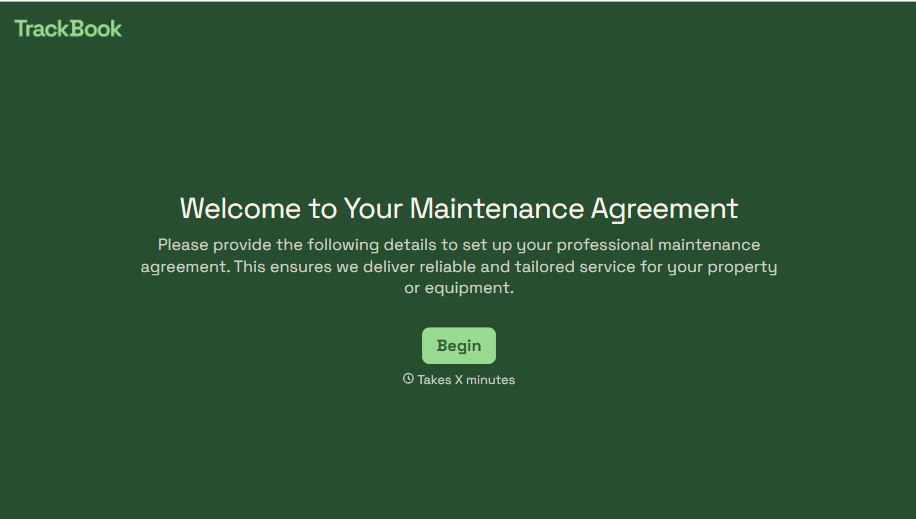
Maintenance Agreement Form
A maintenance plan agreed to over the phone isn't a contract your service team can actually work from, especially when nobody's sure whether the twice-a-year tune-up was part of the deal. Collect the equipment covered, service frequency, and a signed agreement before the first visit, so your team isn't guessing at scope once they're on-site.
View template
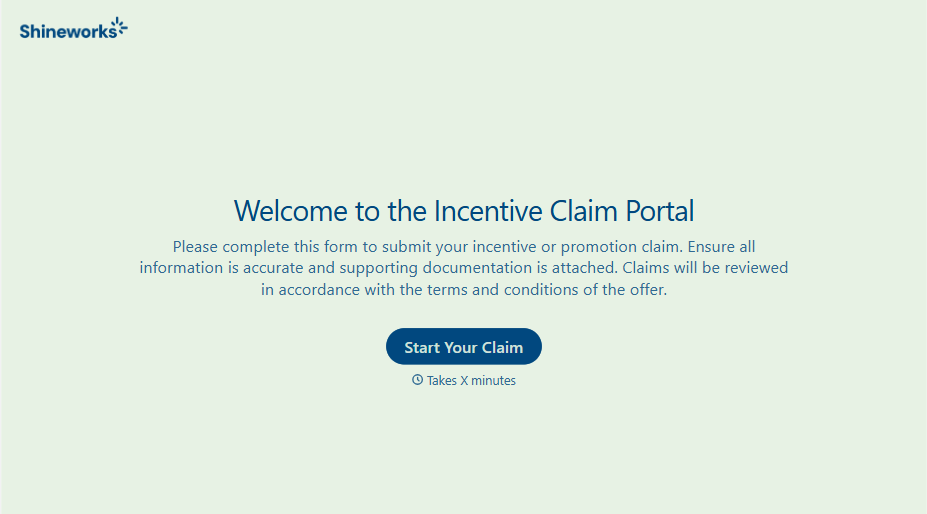
Incentive Claim Form
A rebate claim mailed in with a stapled stack of receipts isn't the kind of paperwork that gets processed quickly, especially when a required serial number turns out to be missing from page three. Collect proof of purchase, product details, and participant information upfront, so a claim doesn't bounce back for a missing document weeks later.
View template
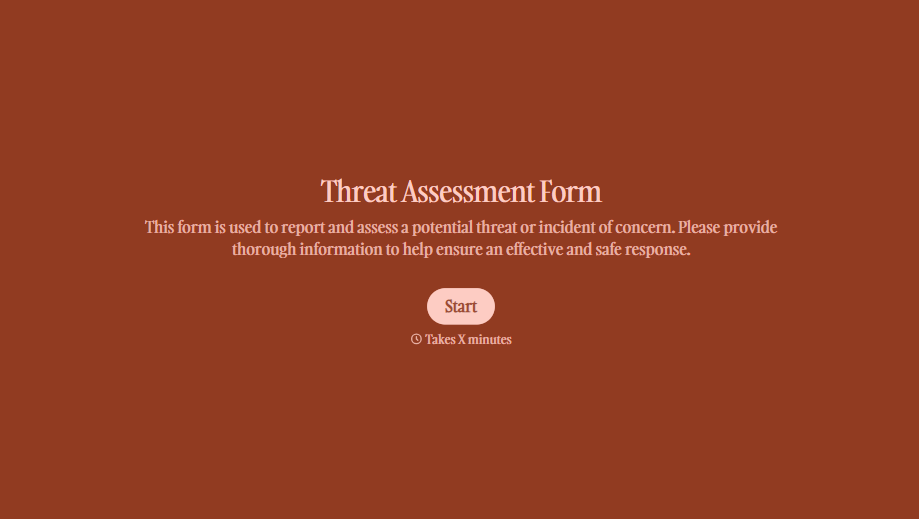
Threat Assessment Form
A concerning comment that gets passed from a teacher to a counselor to whoever's free that period loses detail with every retelling. Collect what your team actually needs, what was observed or reported, who was involved, and when, before an important detail gets dropped along the way.
View template
With Typeform, you can customize everything
Change text, colors, and even logos to match the look and feel of your brand. Then embed forms smoothly onto web and email.
Make forms feel effortless to fill out. Pace questions, call people by their name, and adapt the flow based on the data they share.
Stay efficient by connecting forms to your workflow. Typeform integrates with 300+ tools including Slack, Zapier, and HubSpot.