Maintenance Agreement Form
A maintenance plan agreed to over the phone isn't a contract your service team can actually work from, especially when nobody's sure whether the twice-a-year tune-up was part of the deal. Collect the equipment covered, service frequency, and a signed agreement before the first visit, so your team isn't guessing at scope once they're on-site.


A maintenance plan often gets sold on a call or at the kitchen table, with details noted by hand or agreed to verbally, how many visits a year, which equipment is covered, what the renewal terms are. By the time a technician shows up for the first scheduled visit, the details have gotten fuzzy, and a customer's expectation of what's included doesn't always match what actually got agreed to.
Typeform's maintenance agreement form asks for what your service team needs before the first visit: the customer and property information, the equipment or systems covered, service frequency, and pricing and payment terms. Conditional logic branches from there. A plan tier, basic versus premium, can route to the specific services that tier actually includes instead of a generic list that doesn't match what was sold, and a customer with more than one property or unit can route to add each location individually instead of one agreement vaguely covering everything. Every agreement lands in one signed record instead of a verbal understanding that varies depending on who remembers it.
Connect the form to your CRM or service management software through Zapier, and a signed agreement can automatically schedule the first maintenance visit and set a renewal reminder instead of relying on someone to follow up manually. Ask for it at signup, and your service team starts every visit with an accurate scope of work instead of guessing what was promised.
A maintenance agreement form is an online form service businesses use to document the terms of a recurring maintenance plan, equipment covered, visit frequency, pricing, and contract length, with a signed agreement from the customer. Instead of a verbal understanding, both sides have a clear, documented record of what's included.
A verbal agreement or a generic paper form tends to leave scope open to interpretation, how many visits, which equipment, what happens at renewal. A form documents the specific terms a customer agreed to, so a technician showing up for a scheduled visit and a customer expecting service are working from the same agreement.
Ask for what your service team and billing department will actually need on record:
- Customer name and property information
- Equipment or systems covered
- Service frequency and number of included visits
- Price and payment schedule
- Contract term, renewal, and cancellation policy
- Signature and date
Not necessarily. Unless your agreement specifically commits to a response time for unscheduled repairs, standard maintenance coverage typically applies to the scheduled visits themselves, not priority emergency service. Make sure your specific agreement language matches what you're actually promising, and have it reviewed by an attorney if you're including commitments like guaranteed response times.
Yes. Add a file upload question and customers can attach a photo of their equipment or a past service record in the same submission, no separate email required. Pair it with conditional logic so the upload only appears when it's actually relevant to the plan being set up.
Get inspired by relevant templates and categories
3200+ Templates, 300+ Integrations
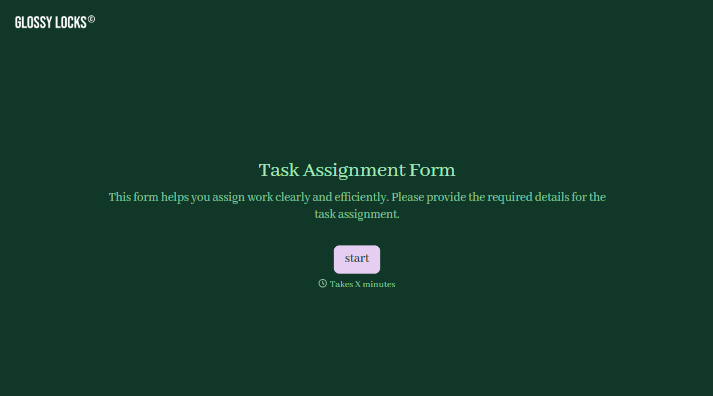
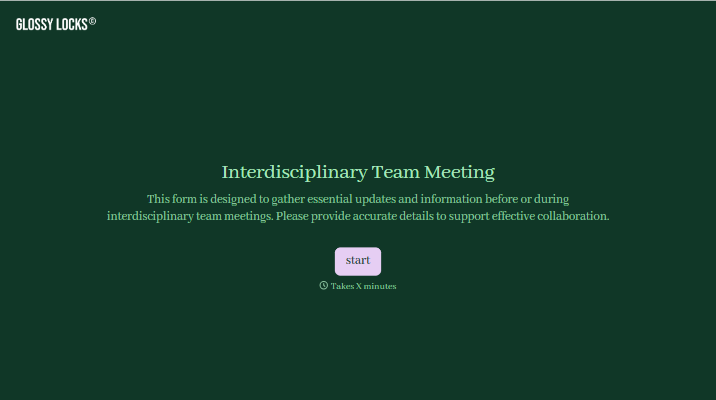

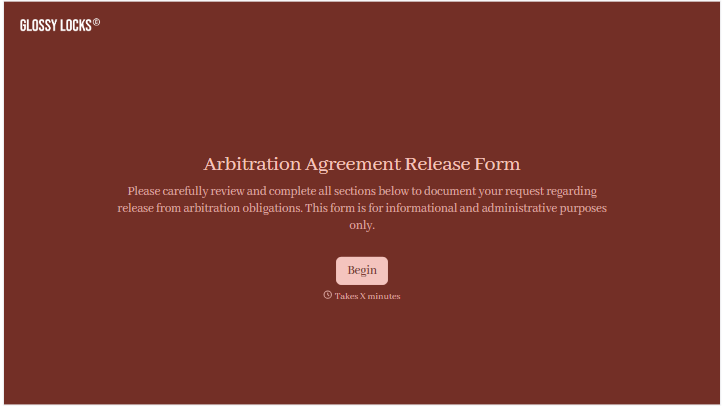
With Typeform, you can customize everything
Change text, colors, and even logos to match the look and feel of your brand. Then embed forms smoothly onto web and email.
Make forms feel effortless to fill out. Pace questions, call people by their name, and adapt the flow based on the data they share.
Stay efficient by connecting forms to your workflow. Typeform integrates with 300+ tools including Slack, Zapier, and HubSpot.