Website Design Questionnaire Form
Stop starting web projects on assumptions. Collect client goals, branding details, and functionality requirements before a single design decision is made.



Web designers who start projects without a structured client brief risk scope creep, revision cycles, and misaligned expectations. Every misunderstood requirement costs time in revisions and erodes client trust before the project is even complete. Typeform's website design questionnaire form template gives designers a reliable way to collect complete project briefs from every client.
The form captures business goals, target audience, design preferences, brand guidelines, competitor references, and functionality requirements. Clients move through one question at a time, so the briefing process feels structured rather than overwhelming. Conditional logic adapts the form based on the type of website the client needs. E-commerce clients see different functionality questions than portfolio or brochure site clients, keeping every section relevant to the project type.
Customize the questions to match your agency's project types, service offerings, and client onboarding process. Send it to new clients via email after the initial inquiry, or embed it on your website's project request page. Every submission logs automatically in Google Sheets or Airtable via Zapier, so project briefs arrive organized from day one. Start every project with a complete client brief, not a series of back-and-forth emails to uncover basic requirements.
A website design questionnaire is a structured client intake form that collects the goals, preferences, and technical requirements a web designer needs to start a project. It gathers business objectives, target audience details, brand guidelines, design preferences, competitor references, desired pages, and functionality requirements in a single submission. It functions as the complete project brief that aligns your team and the client before any design work begins.
Web designers who start projects without a complete brief spend the first phase of every project asking questions that should have been answered before kickoff. Misunderstood requirements lead to revision cycles that eat into margins and strain client relationships. A structured questionnaire captures every detail your team needs upfront, so the first design direction lands closer to what the client actually wants. Use it for new website builds, redesigns, landing page projects, and e-commerce store development.
A complete website design questionnaire covers:
- Business goals and purpose of the website
- Target audience and key user personas
- Brand guidelines (colors, fonts, logo, and tone of voice)
- Design styles and competitor or inspiration references
- Required pages and site structure
- Desired functionality (booking systems, e-commerce, contact forms, integrations)
- Timeline, budget range, and decision-making contacts
Set up conditional logic to branch the form based on the type of website the client needs. An e-commerce client sees questions about product catalog size, payment processing, and inventory management, while a service-based business answers questions about booking systems, lead generation, and service area. This keeps the questionnaire focused for each project type without running a separate intake process for every service you offer.
A questionnaire shifts the briefing process from a discovery call, where details get missed, to a structured document your team can reference throughout the project. When the client's goals, preferences, and constraints are captured in writing before work begins, both sides have a shared record to return to if expectations drift. This reduces revision rounds, speeds up approvals, and gives your team a clear starting point for every brief.
Get inspired by relevant templates and categories
3200+ Templates, 300+ Integrations
Travel Feedback Form
A quick "so, how was the trip?" when someone's back in the office doesn't tell your travel team which hotel to stop booking or which flight change actually caused the headache. Collect what your team actually needs, trip details, what worked, and what didn't, once the traveler's had a minute to think about it.
View template
Library Feedback Form
A comment card dropped in a suggestion box isn't a channel your staff can act on quickly, especially when nobody can tell if it's about a broken chair or a request for more audiobooks. Collect the specific feedback, which branch and department it concerns, and a way to follow up before the card gets buried under next week's stack.
View template
Travel Agency Feedback Form
A generic satisfaction survey emailed three weeks after a trip isn't the kind of feedback an agency can act on, especially once the specifics of a rough hotel transfer have faded. Collect feedback on the specific parts of a trip while it's still fresh, so a complaint that needs immediate follow-up doesn't sit behind a stack of routine responses.
View template
Medical Teaching Feedback Form
An evaluation handed out on the last day of a rotation, filled out in the hallway before everyone scatters, isn't the kind of feedback that helps a program improve teaching quality. Collect specific, timely feedback on teaching encounters before it fades into a generic "good rotation" comment.
View template
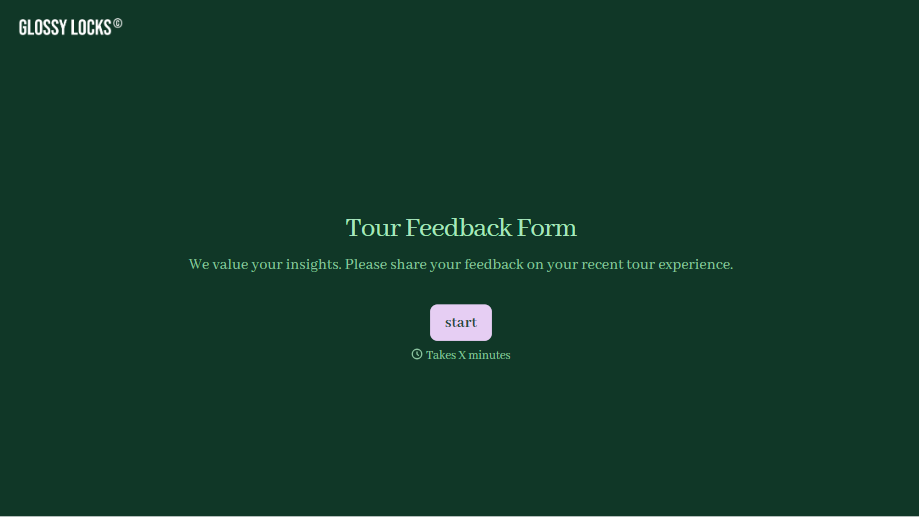
Tour Feedback Form
"How was it?" asked by the guide standing right there at the end of the tour gets a polite "great, thanks" whether the tour actually was great or not. Collect what your team actually needs, which tour and guide, and honest feedback, after the group's already walked away.
View template
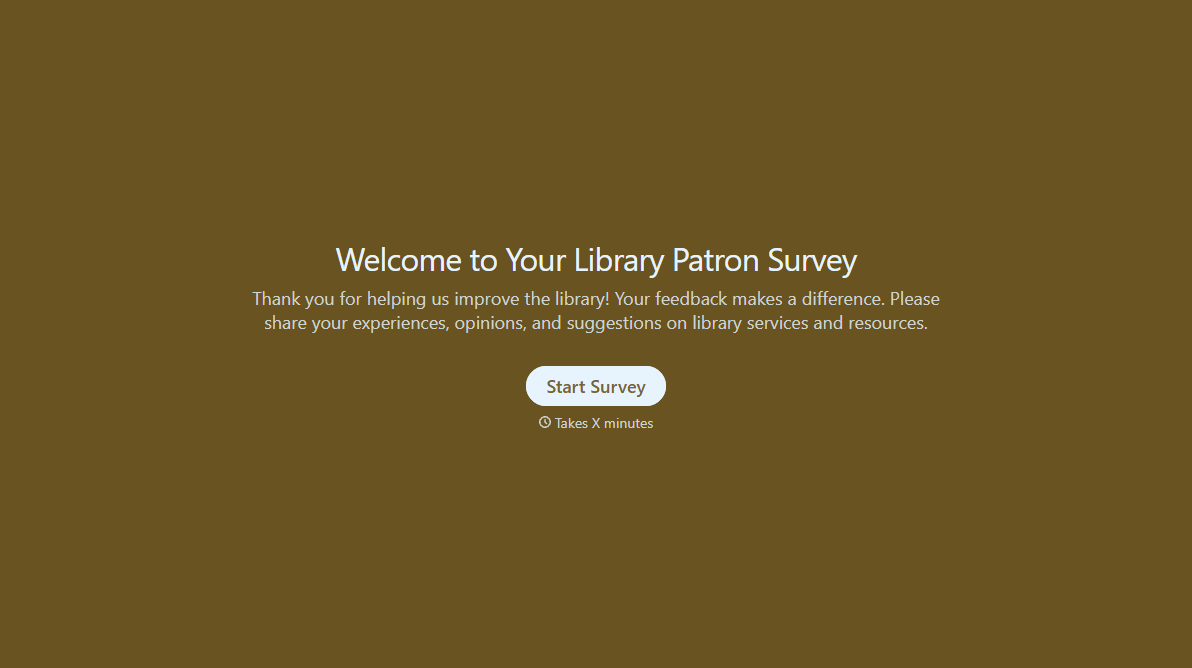
With Typeform, you can customize everything
Change text, colors, and even logos to match the look and feel of your brand. Then embed forms smoothly onto web and email.
Make forms feel effortless to fill out. Pace questions, call people by their name, and adapt the flow based on the data they share.
Stay efficient by connecting forms to your workflow. Typeform integrates with 300+ tools including Slack, Zapier, and HubSpot.