Training Effectiveness Evaluation Form Template
Find out whether your training actually changed anything — not just whether people enjoyed it.



Training evaluations that only ask 'Was the trainer engaging?' measure satisfaction, not learning. This form goes deeper — assessing whether participants understood the material, feel prepared to apply it, and believe it will make a difference in their work.
The template covers overall satisfaction, clarity of learning objectives, perceived relevance to the role, confidence in applying the skills learned, barriers to application, the most and least valuable parts of the training, and recommended improvements. A follow-up evaluation option at 30 or 60 days can assess on-the-job transfer.
The goal of training evaluation isn't a good score — it's honest data. When you know what's working and what isn't, you improve the training rather than just running it again.
The Kirkpatrick model evaluates training on four levels: reaction (did they like it?), learning (did they learn?), behavior (did they apply it?), and results (did it impact outcomes?). This form covers Levels 1 and 2. A follow-up survey at 30 to 60 days addresses Levels 3 and 4.
Immediately after training for reaction and learning questions. A separate follow-up survey 30 to 60 days later better captures behavior change and on-the-job application.
For candor, yes — especially when evaluating training from a specific manager or senior leader. Anonymous feedback is more honest and therefore more useful for improvement.
Treat low scores as data, not judgment. Identify whether the issue is content relevance, delivery method, pace, prerequisites, or application barriers. Low scores on 'I can apply this to my job' often indicate a content-relevance problem.
Define measurable outcomes before training begins. Compare performance metrics before and after. This requires connecting training to specific KPIs — which is challenging but produces the most credible ROI data.
Get inspired by relevant templates and categories
3200+ Templates, 300+ Integrations
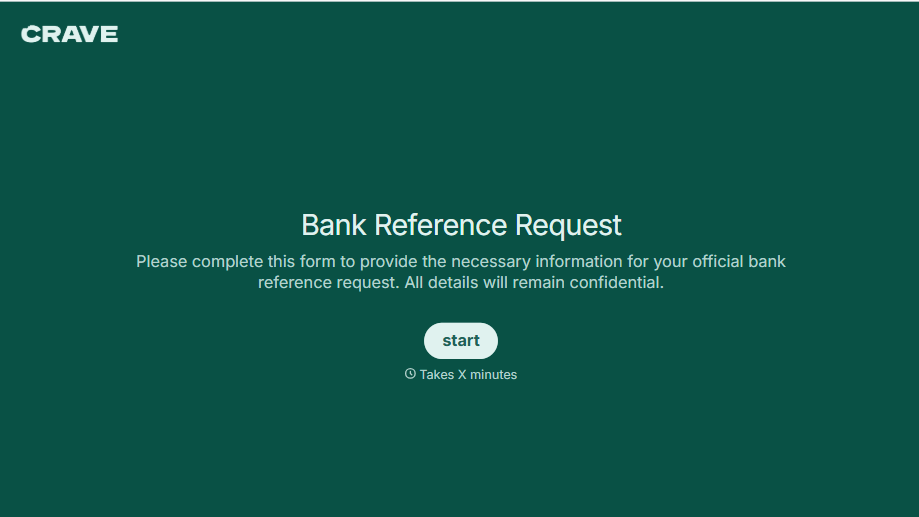
Bank Reference Form
A reference request faxed to a bank branch and left sitting in a queue for weeks isn't the kind of turnaround a landlord or business can wait on. Collect the applicant's signed authorization and the specific details you need confirmed before the request even reaches the bank, so a decision isn't stuck behind a letter that hasn't come back yet.
View template
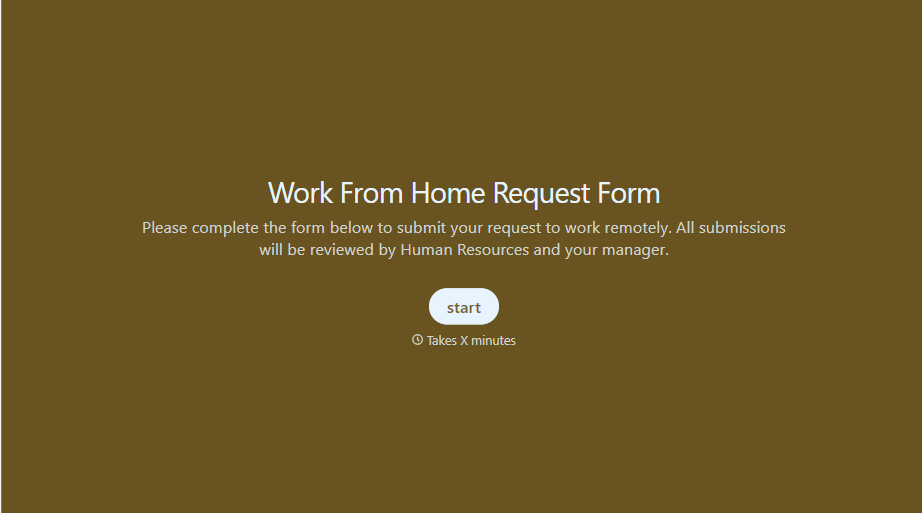
Work From Home Request Form
A Slack message asking to work from home on Thursday isn't a request anyone can track, especially once the same employee has asked five different ways over a month. Collect the request type, dates or schedule, and manager approval in one place, so HR isn't reconstructing who's working where from a scattered inbox.
View template
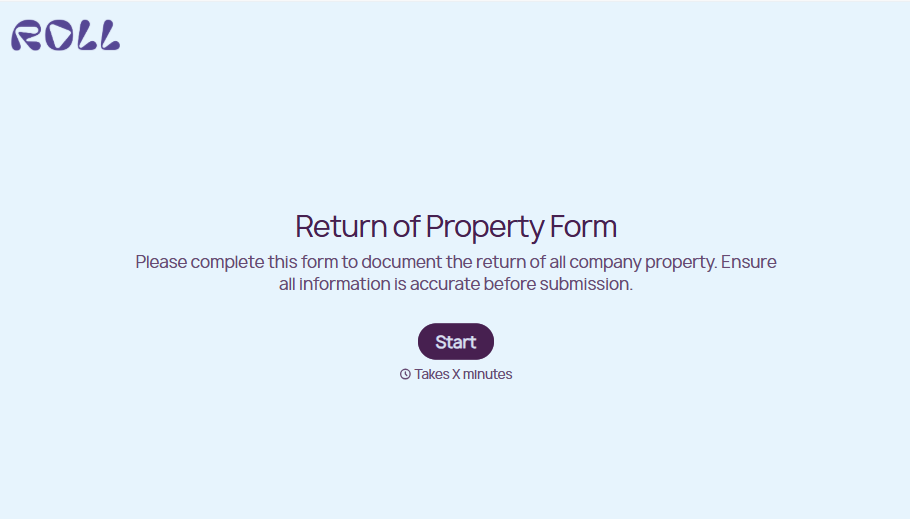
Return of Property Form
A property checklist stapled to an exit interview packet isn't a record anyone can rely on when a laptop turns up missing three weeks later. Collect itemized equipment details, condition at return, and a signed acknowledgment before an employee's last day, so IT isn't chasing down a laptop that already walked out the door.
View template
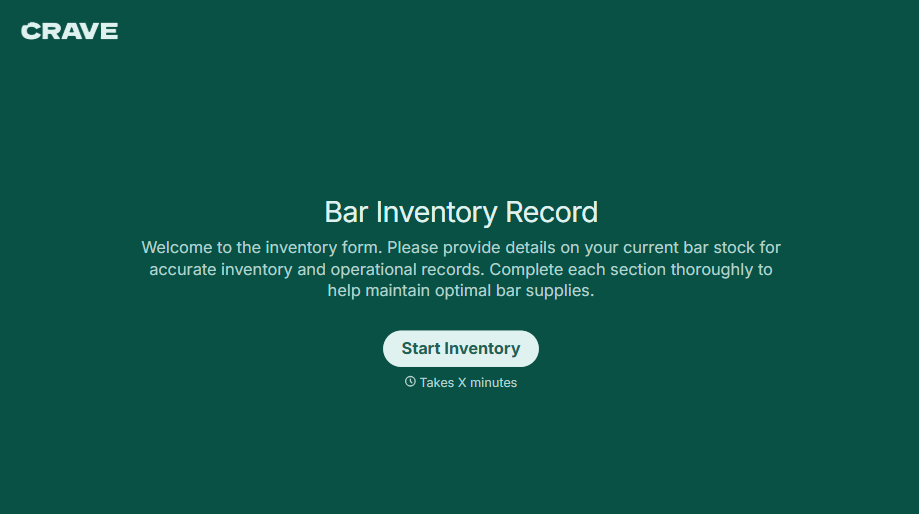
Bar Inventory Form
A bottle count eyeballed at the end of a shift and scrawled on a paper sheet doesn't hold up against a pour cost report that says something doesn't add up. Collect what your bar actually needs, item, count, and variance, on a schedule you can actually compare week to week.
View template
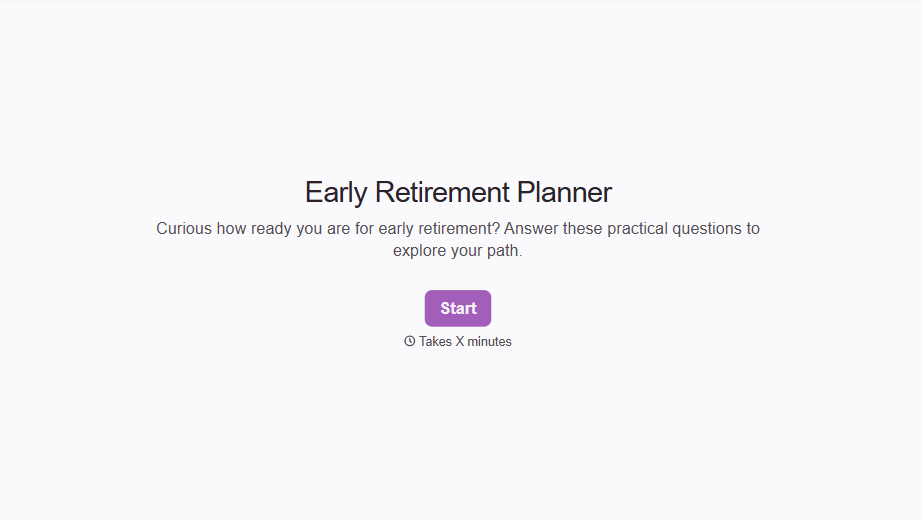
Early Retirement Form
A retirement mentioned to a manager in conversation doesn't give HR anything to actually process, and if there's an incentive deadline attached, the date that conversation happened can matter more than anyone realized at the time. Collect what your HR team actually needs, employee information, requested date, and benefit elections, before a window closes.
View template
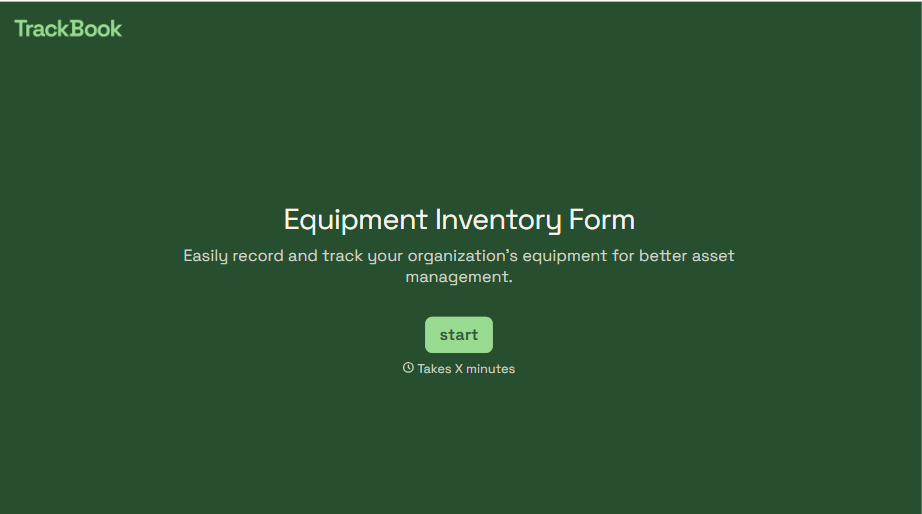
Equipment Inventory Form
Equipment that leaves a storage room in someone's arms, with no note about where it went, doesn't show up again until someone needs it and can't find it. Collect what your team actually needs, item details, condition, and who's got it, every time something moves.
View template
With Typeform, you can customize everything
Change text, colors, and even logos to match the look and feel of your brand. Then embed forms smoothly onto web and email.
Make forms feel effortless to fill out. Pace questions, call people by their name, and adapt the flow based on the data they share.
Stay efficient by connecting forms to your workflow. Typeform integrates with 300+ tools including Slack, Zapier, and HubSpot.