Idea Submission Form Template
Give every good idea a fighting chance, not the ones that happen to be said in the right meeting.



Great ideas don't always come from the loudest voice or the most senior person. They come from the developer who notices an inefficiency, the customer support rep who hears the same complaint daily, or the intern who sees the product with fresh eyes. But without a structured way to capture and evaluate ideas, most of them disappear into the void of "I had a thought but didn't know where to put it."
This idea submission form template gives everyone in your organization (or your customer base) a clear channel to submit ideas for products, processes, campaigns, or improvements. The form captures the idea itself, the problem it solves, estimated impact, implementation difficulty, and supporting evidence. Conditional logic routes submissions by category. Product ideas go to the product team, process improvements go to operations.
Connect it to your innovation management board, Slack channel, or shared tracker. Every idea is logged, categorized, and ready for review. Creating a culture where contribution is encouraged and good ideas don't get lost.
An idea submission form is a structured intake tool that allows employees, customers, or community members to propose new ideas, improvements, or innovations. It captures the idea description, the problem it addresses, its potential impact, and any supporting details. Creating a standardized pipeline for evaluating and implementing contributions.
Because informal idea sharing is unreliable. Ideas shared in meetings get forgotten. Ideas shared in Slack scroll away. Ideas shared in email die in someone's inbox. A formal process ensures every idea is captured, attributed, and reviewed. Regardless of who submitted it or how senior they are. It also signals to your team that their input is valued, which drives engagement and retention.
- Submitter's name, department, and contact information
- Idea title and detailed description
- The problem or opportunity this idea addresses
- Expected impact (revenue, efficiency, customer satisfaction, etc.)
- Estimated effort or resources required to implement
- Any supporting data, examples, or references
Create a simple scoring framework. Rate each idea on impact (how much value it creates), feasibility (how realistic it is to implement), and alignment (how well it fits your strategic priorities). A 1-5 scale on each dimension gives you a composite score to rank ideas against each other. Review submissions monthly with a cross-functional committee to avoid bias and ensure diverse perspectives.
Acknowledge every submission — an automated "we received your idea" email is the minimum. Better yet, provide status updates: "under review," "approved for exploration," "implemented," or "not pursuing at this time" with a brief explanation. When an idea gets implemented, publicly credit the submitter. People stop submitting when they feel like ideas go into a black hole. Visibility and recognition keep the pipeline flowing.
Get inspired by relevant templates and categories
3200+ Templates, 300+ Integrations
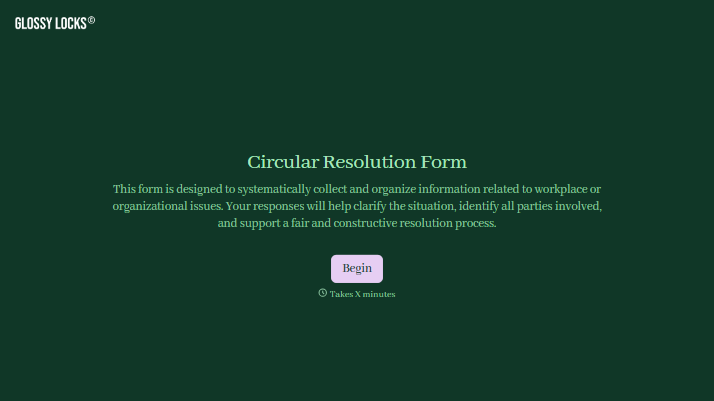
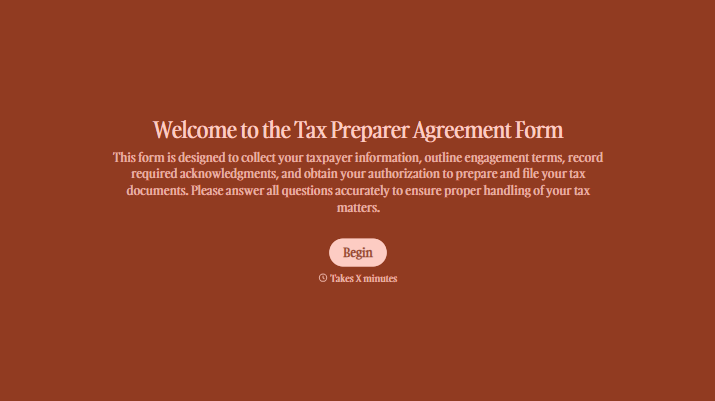
With Typeform, you can customize everything
Change text, colors, and even logos to match the look and feel of your brand. Then embed forms smoothly onto web and email.
Make forms feel effortless to fill out. Pace questions, call people by their name, and adapt the flow based on the data they share.
Stay efficient by connecting forms to your workflow. Typeform integrates with 300+ tools including Slack, Zapier, and HubSpot.