Employee Self Evaluation Form Template
Help your team reflect on their own performance, so reviews become conversations, not monologues.



Self-evaluations are one of the most underused tools in performance management. When done well, they give employees a voice in the review process, surface accomplishments managers might have missed, and set the stage for a productive 2-way conversation. When done poorly — with a blank text box and a vague "How do you think you did?" — they produce either defensive paragraphs or uninspired shrugs.
This employee self evaluation form template guides team members through a structured reflection process. The one-question-at-a-time format encourages thoughtful responses rather than rushed, performative answers. Conditional logic can adapt questions based on department, role level, or review period. Completed evaluations route to managers via email or Slack, and aggregate to Google Sheets for HR tracking through Zapier.
Customize the competency areas, rating scales, and open-ended prompts to align with your review framework. Add your company branding and distribute the link during your review cycle. Employees get a clear structure for self-reflection, and managers get richer input for the conversation.
An employee self evaluation form is a structured questionnaire that employees complete to assess their own performance, accomplishments, challenges, and development goals. It's typically used as one input in a broader performance review process, complementing manager assessments and peer feedback. It encourages ownership and self-awareness.
Self-evaluations give employees agency in the review process. They surface accomplishments and challenges that managers may not have visibility into, promote self-awareness and accountability, and create a starting point for a more balanced review conversation. They also help employees prepare. A structured self-assessment beats walking into a review cold.
Guide reflection without making it feel like a test:
- Key accomplishments during the review period
- Progress on previously set goals
- Challenges faced and how they were handled
- Skills or competencies they want to develop
- Rating of their own performance in core areas
- Goals and priorities for the next review period
Make the purpose clear. This isn't about self-grading, it's about self-reflection. Share evaluation criteria in advance so employees know what to address. Use specific prompts rather than open-ended blanks. And establish psychological safety — employees who trust that honesty won't be used against them will provide more useful evaluations.
They often won't, and that's okay. Discrepancies are conversation starters, not problems. If an employee rates themselves highly where a manager sees room for growth, that's a gap worth discussing. If an employee underrates themselves, it's an opportunity to recognize strengths they may not see. The value is in the dialogue the comparison creates.
Get inspired by relevant templates and categories
3200+ Templates, 300+ Integrations
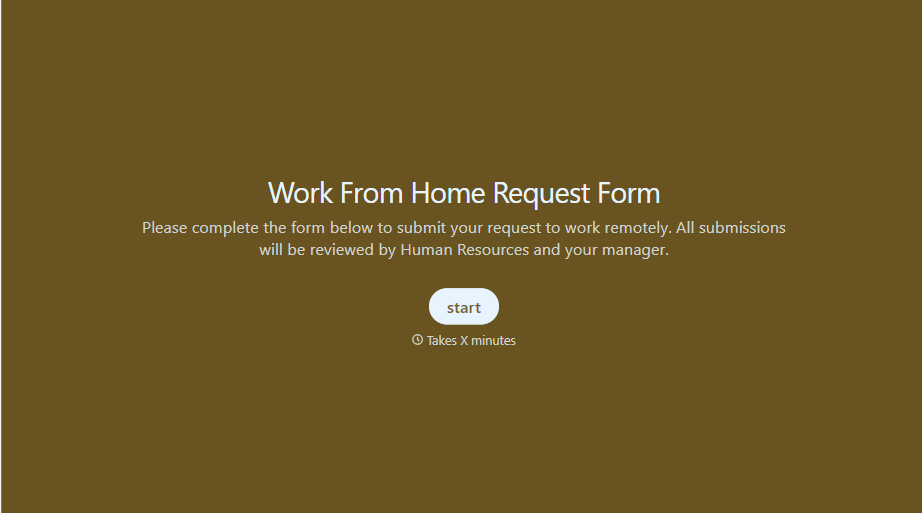
Work From Home Request Form
A Slack message asking to work from home on Thursday isn't a request anyone can track, especially once the same employee has asked five different ways over a month. Collect the request type, dates or schedule, and manager approval in one place, so HR isn't reconstructing who's working where from a scattered inbox.
View template
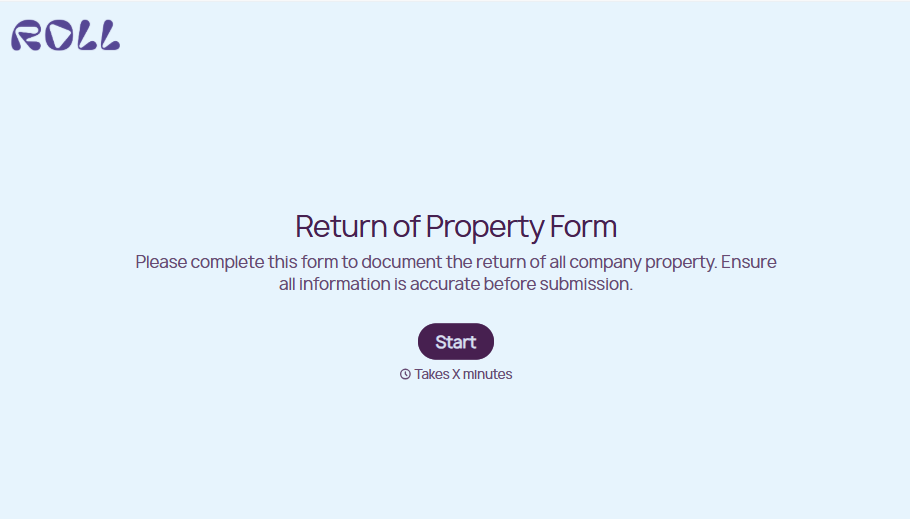
Return of Property Form
A property checklist stapled to an exit interview packet isn't a record anyone can rely on when a laptop turns up missing three weeks later. Collect itemized equipment details, condition at return, and a signed acknowledgment before an employee's last day, so IT isn't chasing down a laptop that already walked out the door.
View template
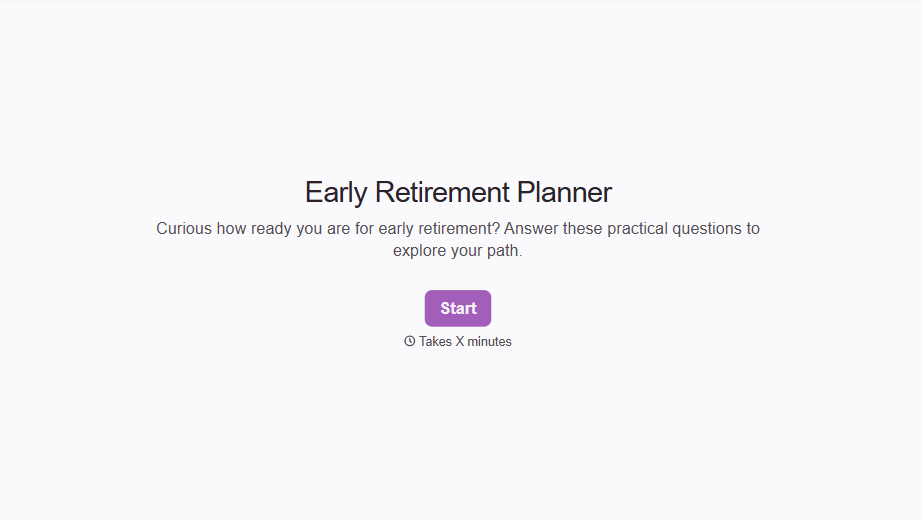
Early Retirement Form
A retirement mentioned to a manager in conversation doesn't give HR anything to actually process, and if there's an incentive deadline attached, the date that conversation happened can matter more than anyone realized at the time. Collect what your HR team actually needs, employee information, requested date, and benefit elections, before a window closes.
View template
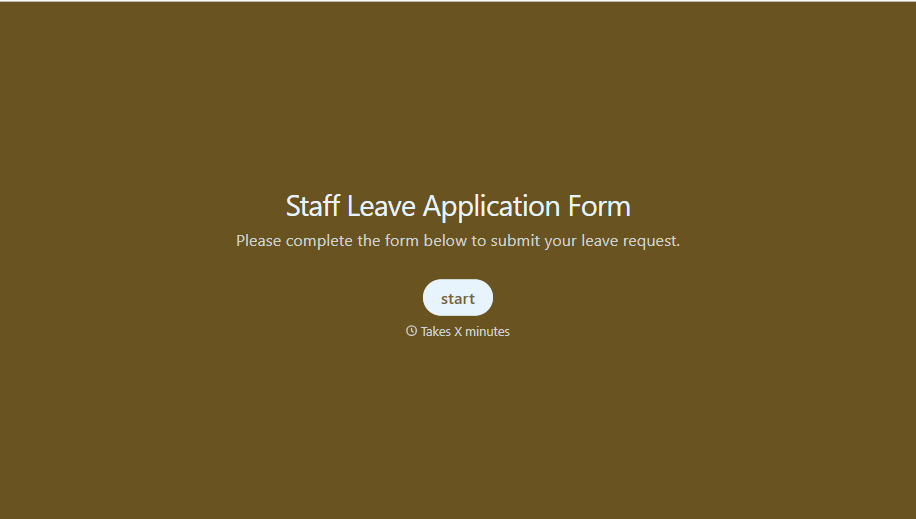
Staff Leave Application Form
A vacation request approved with a thumbs-up emoji in Slack isn't the kind of record payroll can work from when it's time to reconcile someone's leave balance. Collect the leave type, dates, and manager approval in one place, so a team doesn't accidentally double-book someone's time off.
View template
Disability Accommodation Request Form
A quiet word to a manager about needing a different desk setup isn't the kind of request that starts a documented process. Collect the specific accommodation needed and any supporting information before a decision gets made informally, so a request doesn't get lost between a hallway conversation and HR's desk.
View template
Technician Evaluation Form
A ride-along evaluation scribbled on a clipboard in the truck isn't the kind of record that holds up months later when it's time to talk about a raise or a certification renewal. Collect specific skill, safety, and customer service observations while the job's still fresh, so a technician's review is built on more than a supervisor's memory of the day.
View template
With Typeform, you can customize everything
Change text, colors, and even logos to match the look and feel of your brand. Then embed forms smoothly onto web and email.
Make forms feel effortless to fill out. Pace questions, call people by their name, and adapt the flow based on the data they share.
Stay efficient by connecting forms to your workflow. Typeform integrates with 300+ tools including Slack, Zapier, and HubSpot.