Sales Order Form Template
Turn purchase intent into a clean, accurate order, without the email volleyball that slows deals down.



Sales conversations generate excitement. Sales paperwork kills it. After your team closes a deal, the order process should be fast and frictionless, but instead, there's usually a flurry of emails: "Can you send us your shipping address?" "What was the quantity on that second line item?" "Did you want the standard or premium package?" Every back-and-forth adds delay, increases error risk, and drains the momentum your sales team worked hard to build.
This sales order form template captures every order detail in one structured submission. Customers confirm products or services, quantities, pricing, billing and shipping information, and any special terms. All in a guided flow. Conditional logic adjusts for different product lines, pricing tiers, or customer types. The sales rep can pre-fill certain fields using hidden fields and URL parameters, reducing the customer's effort.
Orders flow directly into Google Sheets, your CRM, or your ERP system via Zapier. No manual order entry, no missing information, no "I thought we agreed on..." disputes. Your operations team gets clean data, your finance team gets accurate billing details, and your customer gets a professional experience that reinforces their decision to buy from you.
A sales order form is a commercial document that confirms the details of a purchase. Products or services ordered, quantities, pricing, delivery terms, and billing information. It serves as the formal agreement between seller and buyer, triggering fulfillment, invoicing, and revenue recognition. A well-structured sales order reduces errors, disputes, and processing delays.
Traditional PO processes are manual, slow, and error-prone. Documents get emailed back and forth, version confusion creates discrepancies, and someone has to manually enter order data into the fulfillment system. A digital form collects all order details in a standardized format that feeds directly into your systems. The result: faster processing, fewer errors, and a better experience for both your team and the customer.
- Customer company name, contact person, and account number
- Products or services ordered with SKUs or descriptions
- Quantity and unit pricing for each line item
- Billing address and payment terms
- Shipping address and preferred delivery method
- Special instructions, discount codes, or negotiated terms
For sales processes with negotiated pricing, pre-populate the form with agreed-upon amounts using hidden fields or URL parameters that your sales rep sets before sharing the link. This way, the customer sees their specific pricing already in place. Alternatively, include a "pricing reference" field where the sales rep enters the quote number, and your operations team cross-references it during processing. The goal is accuracy without burdening the customer.
The form works well for initial orders, and you can adapt it for reorders by simplifying the flow — skip company details that haven't changed and focus on the variable elements (products, quantities, delivery dates). For high-frequency recurring orders, set up the form with pre-populated product selections based on the customer's usual order. Combine with Zapier automations that trigger fulfillment workflows, and you've built a lightweight reorder system.
Get inspired by relevant templates and categories
3200+ Templates, 300+ Integrations
School Photography Order Form
A paper order form stuffed in a backpack for two weeks isn't an order anyone can act on. Collect student information, package selection, and payment before picture day, so your photographer shows up with an accurate count instead of a stack of crumpled envelopes.
View template
Used Car Sales Form
A price agreed to with a handshake in the parking lot doesn't leave anything documenting the mileage on the odometer the day the buyer actually drove off. Collect what your dealership actually needs, buyer and vehicle information, sale terms, and a signed disclosure, before the keys change hands.
View template
Recurring Credit Card Authorization Form
An authorization that just says "I agree to be charged monthly" doesn't survive a chargeback dispute. The bank's going to ask, charged for what, how much, and how often, and vague language doesn't answer any of that. Spell out the amount, the frequency, and the cancellation terms in writing, before the first charge goes through.
View template
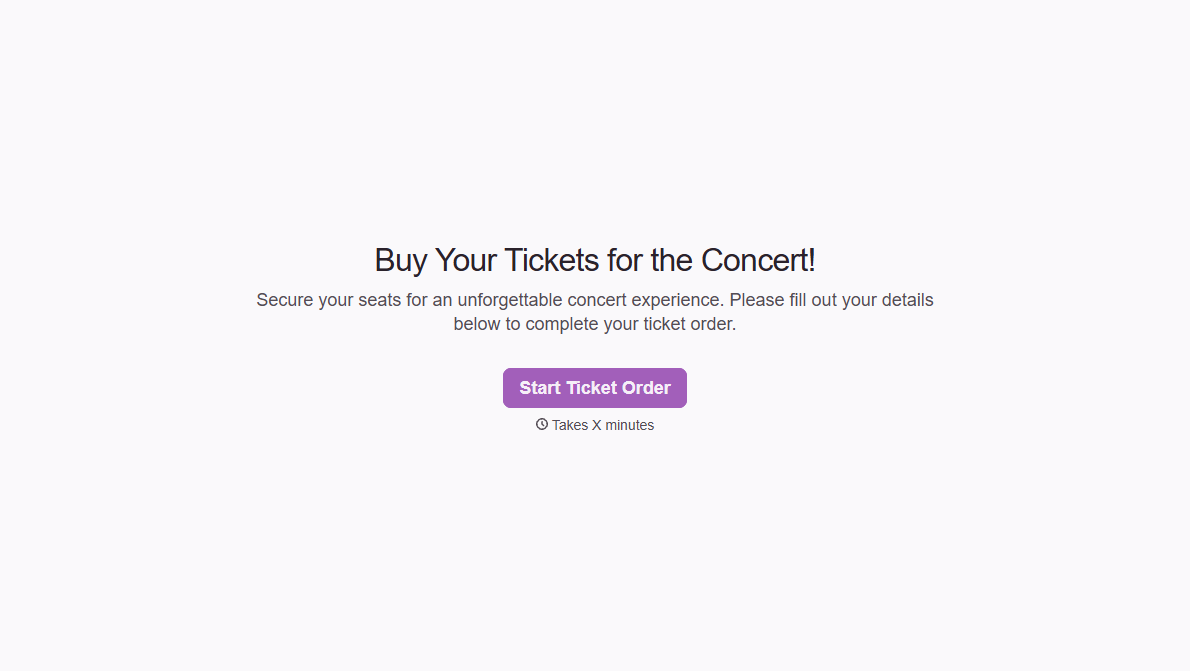
Concert Ticket Order Form
A ticket order collected through a Venmo request and a group text isn't a record, it's a promise to remember who paid and who still owes. Take the order, the payment, and the confirmation in the same form, so nobody's showing up at the door as a name someone half-remembers.
View template
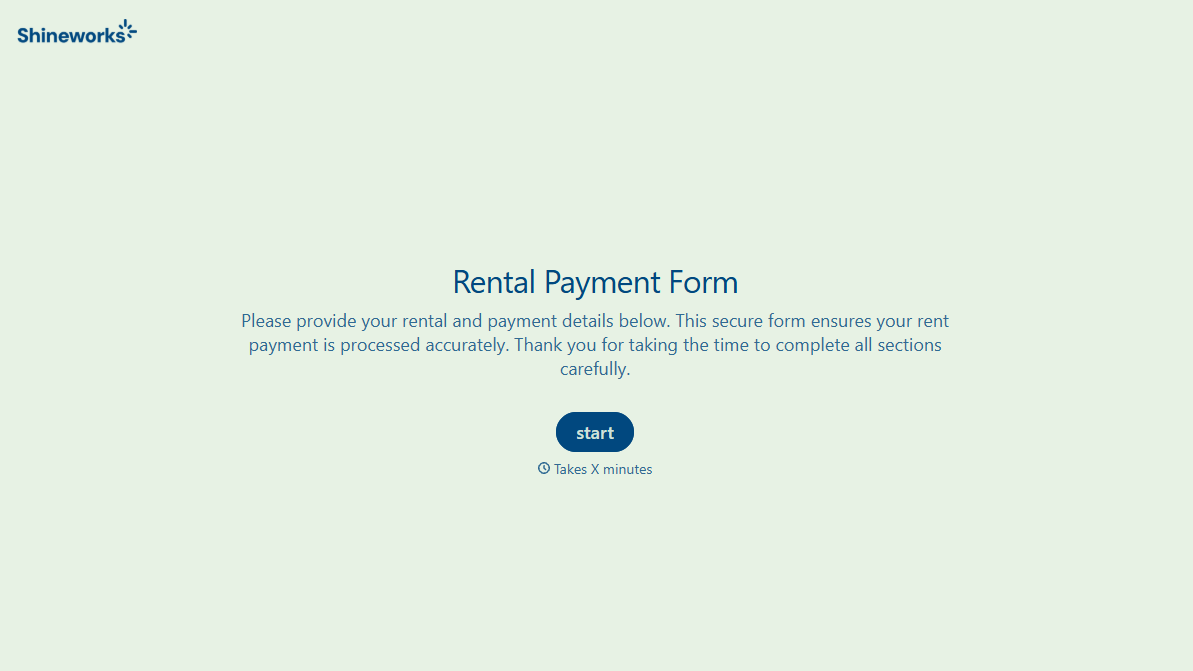
With Typeform, you can customize everything
Change text, colors, and even logos to match the look and feel of your brand. Then embed forms smoothly onto web and email.
Make forms feel effortless to fill out. Pace questions, call people by their name, and adapt the flow based on the data they share.
Stay efficient by connecting forms to your workflow. Typeform integrates with 300+ tools including Slack, Zapier, and HubSpot.