Relationship Questionnaire Form
Capture where a relationship stands before the first session, so every conversation starts with the right context.



Therapists and relationship coaches who gather client information by phone often start without the full picture. A client who hasn't had time to reflect often gives surface-level answers in session that take time to unpack. Typeform's relationship questionnaire form gives practitioners a structured way to gather relationship context before the first session begins.
The form covers relationship history, communication patterns, conflict style, shared goals, and what the client hopes to achieve. One question at a time creates space for honest reflection, which matters when the topic is personal. Conditional logic adapts the questions based on relationship type and what the client identifies as their primary concern. A client focused on communication sees different follow-up questions than one working through trust or a major life change.
Customize it with your practice name, assessment framework, and any intake questions your process requires. Send it to new clients before their first appointment, or use it as a check-in between sessions. Every completed questionnaire routes to your inbox via Zapier, so you review the client's answers before the session starts. Clients arrive more prepared, and practitioners start from a deeper understanding, so every session gets to what matters faster.
A relationship questionnaire collects information about a person's relationship history, current concerns, communication patterns, and goals. It gives practitioners a clear picture of the client's situation before the first session begins. Think of it as the reflection tool that turns a first session from an introduction into a real conversation.
A first session without context is a session spent catching up rather than moving forward. When clients complete a questionnaire beforehand, they arrive having already reflected on their situation. This leads to more considered responses and sessions that cover more ground in the same time. Use it for couples therapy intake, relationship coaching, premarital counseling, family mediation, and compatibility assessments.
A complete relationship questionnaire covers:
- Relationship type and duration
- Current relationship status and living situation
- Areas of concern or conflict
- Communication style and conflict patterns
- What's working well in the relationship
- Previous counseling or support received
- Individual goals and shared goals
- What the client hopes to achieve through the process
- Any other context the practitioner should know
Relationship questionnaires collect personal and sometimes sensitive information, so how you communicate data handling matters. Add a note in your introduction explaining who can access responses and how long they are retained. For regulated practices, add a consent field so clients confirm they agree to share their information before they begin.
Use rating scale questions to help clients score areas like communication, trust, and emotional connection. Low scores surface where to start, so practitioners spend less time identifying the issue and more time addressing it. For couples, each partner can complete the form independently so practitioners compare their perspectives before the session.
Get inspired by relevant templates and categories
3200+ Templates, 300+ Integrations
Bank Reference Form
A reference request faxed to a bank branch and left sitting in a queue for weeks isn't the kind of turnaround a landlord or business can wait on. Collect the applicant's signed authorization and the specific details you need confirmed before the request even reaches the bank, so a decision isn't stuck behind a letter that hasn't come back yet.
View template
Bar Inventory Form
A bottle count eyeballed at the end of a shift and scrawled on a paper sheet doesn't hold up against a pour cost report that says something doesn't add up. Collect what your bar actually needs, item, count, and variance, on a schedule you can actually compare week to week.
View template
Equipment Inventory Form
Equipment that leaves a storage room in someone's arms, with no note about where it went, doesn't show up again until someone needs it and can't find it. Collect what your team actually needs, item details, condition, and who's got it, every time something moves.
View template
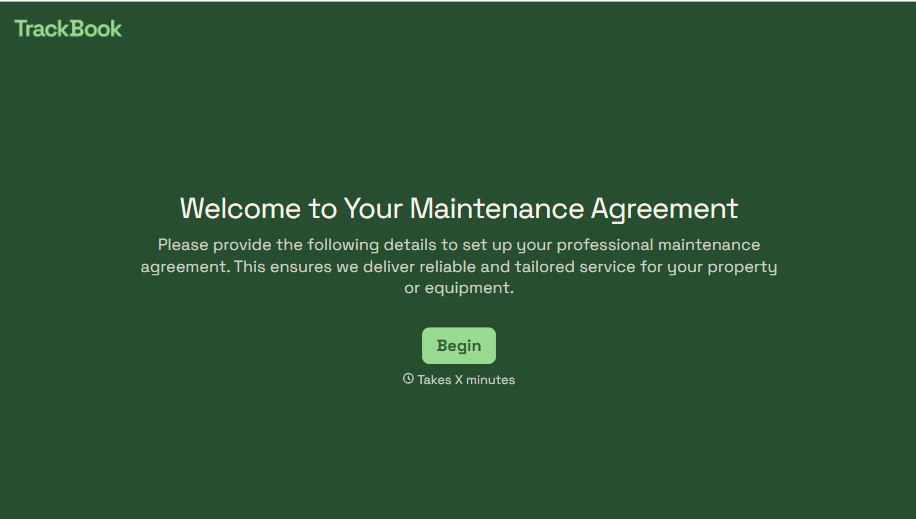
Maintenance Agreement Form
A maintenance plan agreed to over the phone isn't a contract your service team can actually work from, especially when nobody's sure whether the twice-a-year tune-up was part of the deal. Collect the equipment covered, service frequency, and a signed agreement before the first visit, so your team isn't guessing at scope once they're on-site.
View template
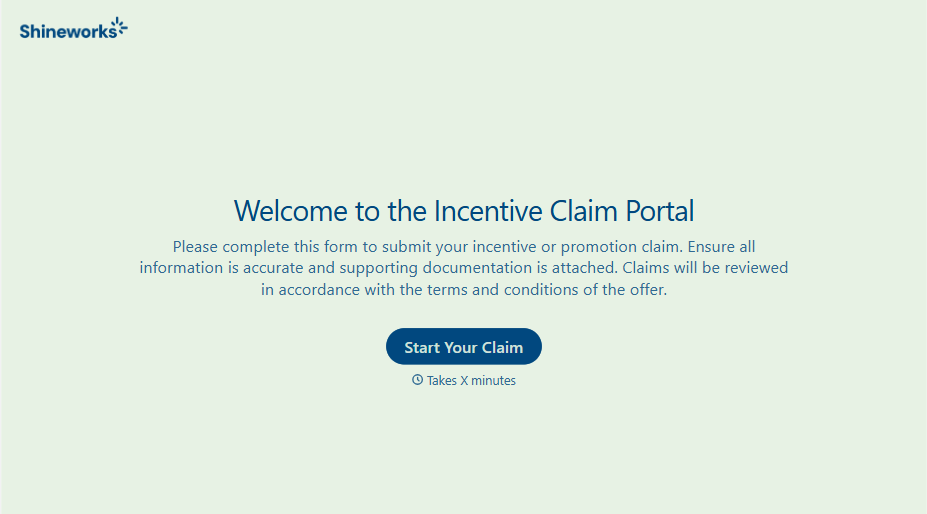
Incentive Claim Form
A rebate claim mailed in with a stapled stack of receipts isn't the kind of paperwork that gets processed quickly, especially when a required serial number turns out to be missing from page three. Collect proof of purchase, product details, and participant information upfront, so a claim doesn't bounce back for a missing document weeks later.
View template
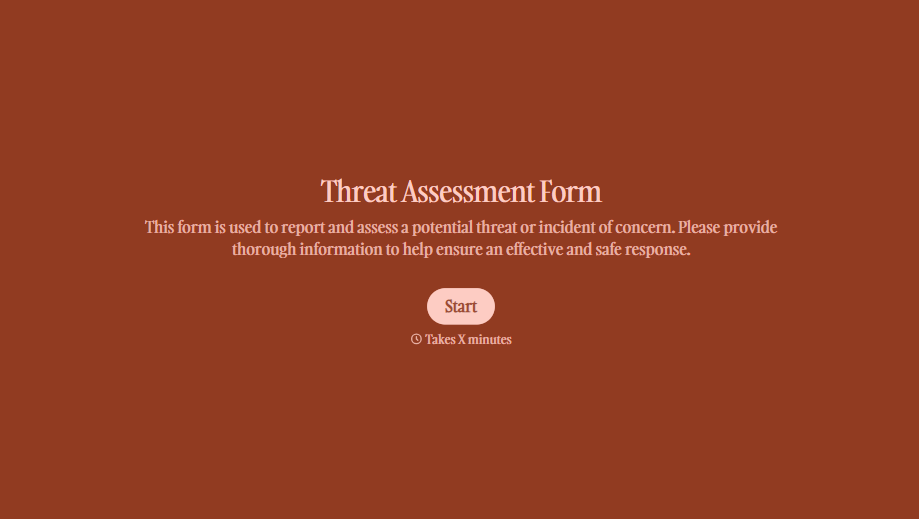
Threat Assessment Form
A concerning comment that gets passed from a teacher to a counselor to whoever's free that period loses detail with every retelling. Collect what your team actually needs, what was observed or reported, who was involved, and when, before an important detail gets dropped along the way.
View template
With Typeform, you can customize everything
Change text, colors, and even logos to match the look and feel of your brand. Then embed forms smoothly onto web and email.
Make forms feel effortless to fill out. Pace questions, call people by their name, and adapt the flow based on the data they share.
Stay efficient by connecting forms to your workflow. Typeform integrates with 300+ tools including Slack, Zapier, and HubSpot.