PTO Request Form Template
Give your team a proper way to request paid time off, because "I think I mentioned it in standup" isn't a system.



PTO management falls apart when there's no consistent process. Requests come in through Slack, email, text, hallway conversations, and none of it gets tracked reliably. Managers can't see the full picture of team availability, HR can't report on leave usage accurately, and employees don't have confidence that their requests were actually registered.
This PTO request form template creates a single, clear channel for all time-off requests. Employees complete it in under two minutes, selecting their leave type, dates, and coverage plan. Conditional logic adjusts the form based on PTO category — vacation, sick, personal, floating holiday, and can show remaining balance information or policy reminders specific to each type.
Deploy it to your organization, connect it to your leave management spreadsheet or HRIS through integrations, and set up automatic notifications to the employee's manager. Every request is captured, trackable, and processed through the same workflow. That's it — PTO management, solved.
A PTO request form is the formal mechanism employees use to request paid time off from work. It documents the type of leave, dates, duration, and any coverage arrangements. PTO (paid time off) policies vary by organization — some use a unified PTO bank, while others separate vacation, sick, and personal days. The form accommodates whatever structure your organization uses.
The distinction is primarily in scope. A PTO form specifically handles paid leave categories and often connects to accrual tracking and balance management. A general time off request form might also cover unpaid leave, leave of absence, jury duty, and other non-PTO categories. This template focuses on PTO but can be expanded to include additional leave types using conditional logic.
- Employee name, department, and direct manager
- PTO type (vacation, sick, personal, floating holiday)
- Start date, end date, and total PTO days requested
- Whether the request is a full day or partial day
- Coverage plan: who will handle responsibilities during absence
- Any relevant notes (e.g., "already discussed with manager")
The form itself captures requests. Conflict detection happens downstream. Connect submissions to a shared team calendar or Google Sheet that displays all approved PTO. When a new request comes in, managers can quickly check against existing absences before approving. Some teams embed a "current team absences" reference link directly in the form so employees can self-check before submitting.
Yes. Set up email or Slack notifications to alert the employee's manager when a request is submitted. The notification can include all request details and a link to approve or discuss. For more structured workflows, connect the form to a tool like Airtable or Monday.com through integrations, where managers can update the request status (pending, approved, denied) and the employee is automatically notified of the decision.
Get inspired by relevant templates and categories
3200+ Templates, 300+ Integrations
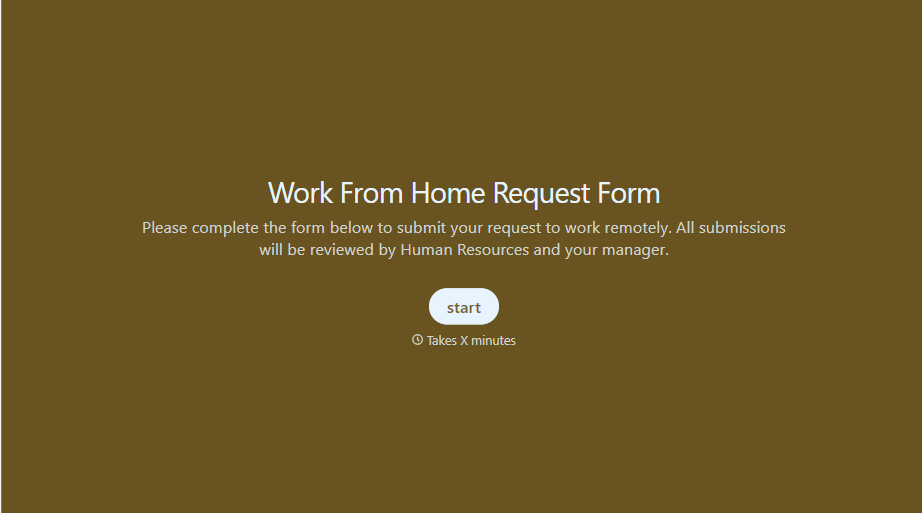
Work From Home Request Form
A Slack message asking to work from home on Thursday isn't a request anyone can track, especially once the same employee has asked five different ways over a month. Collect the request type, dates or schedule, and manager approval in one place, so HR isn't reconstructing who's working where from a scattered inbox.
View template
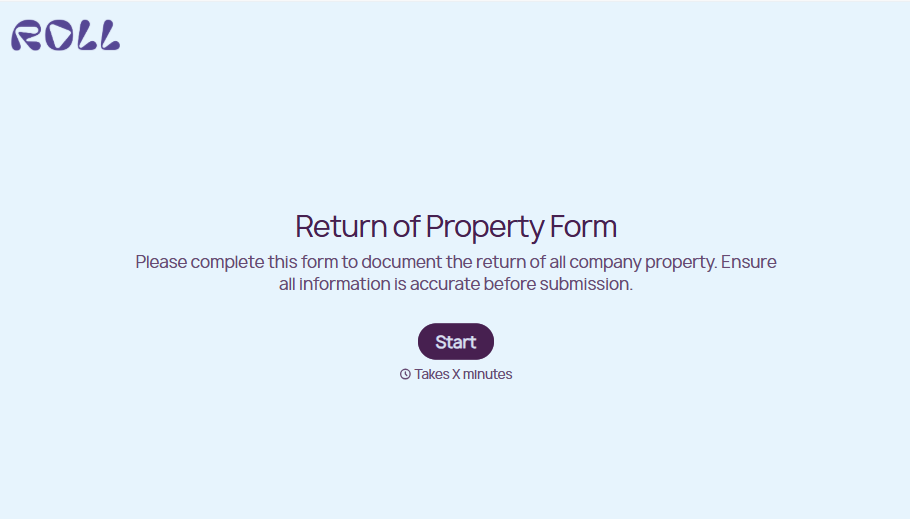
Return of Property Form
A property checklist stapled to an exit interview packet isn't a record anyone can rely on when a laptop turns up missing three weeks later. Collect itemized equipment details, condition at return, and a signed acknowledgment before an employee's last day, so IT isn't chasing down a laptop that already walked out the door.
View template
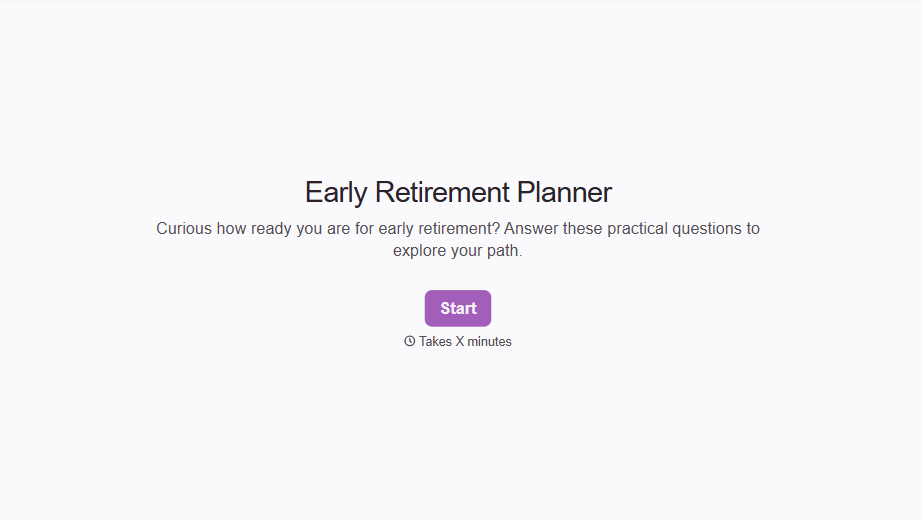
Early Retirement Form
A retirement mentioned to a manager in conversation doesn't give HR anything to actually process, and if there's an incentive deadline attached, the date that conversation happened can matter more than anyone realized at the time. Collect what your HR team actually needs, employee information, requested date, and benefit elections, before a window closes.
View template
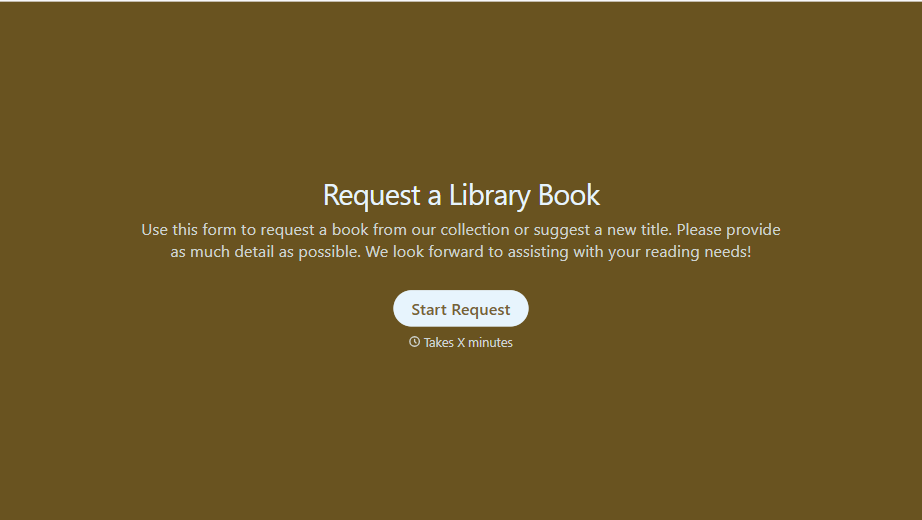
Library Book Request Form
A book request scrawled on a sticky note at the front desk doesn't make it into any queue, and it definitely doesn't get anyone a call when the book actually arrives. Collect what your library actually needs, the title, patron information, and how they'd like to be notified, before the note gets buried under the next stack of returns.
View template
Tenant Repair Request Form
A text message about a leaky faucet sent at 11pm isn't a work order your maintenance team can act on efficiently, especially without a photo or a unit number attached. Collect the property, the issue, and how urgent it is before the request lands in someone's texts, so a repair doesn't wait on a landlord scrolling back through old messages.
View template
Video Request Form
A Slack message asking for "a quick video for the launch" isn't a creative brief your video team can actually start from. Collect the project purpose, deadline, and deliverable specs before the request lands in a queue, so your team isn't reworking a video built on assumptions the requester never actually stated.
View template
With Typeform, you can customize everything
Change text, colors, and even logos to match the look and feel of your brand. Then embed forms smoothly onto web and email.
Make forms feel effortless to fill out. Pace questions, call people by their name, and adapt the flow based on the data they share.
Stay efficient by connecting forms to your workflow. Typeform integrates with 300+ tools including Slack, Zapier, and HubSpot.