Property Evaluation Form
Standardize how your team evaluates properties, so every assessment produces a complete record that holds up in any review.



Property assessors who document evaluations from handwritten notes often produce reports that vary by evaluator and miss key details. An inconsistent evaluation record doesn't serve the buyer, the seller, or the lender reviewing it. Typeform's property evaluation form gives teams an organized way to capture consistent assessments from every inspection.
The form captures property address, inspection date, condition ratings by area, key features, notable deficiencies, and a summary valuation. Presenting one question at a time reduces the cognitive load of seeing every field at once, so evaluators move methodically through each section. The form adjusts based on the property type being assessed. A residential property triggers interior condition and bedroom assessments, while a commercial property routes to zoning, occupancy, and floor plan.
Customize the form with your property categories, condition rating scales, and any valuation fields your assessment process requires. Share it via direct link before each inspection or email it as part of your site visit workflow. Pipe responses into Google Sheets or Airtable via Zapier, so every evaluation is searchable and ready for review immediately. Your team compares assessments across properties without having to hunt through a filing system.
A property evaluation form documents the condition, features, and assessed value of a property at a specific point in time. It captures property address, inspection date, area-by-area condition ratings, notable deficiencies, key features, and a summary valuation in one submission. It functions as the standard evaluation record for every property your team assesses.
Inconsistent evaluation records create problems at every stage. When each evaluator documents properties differently, comparisons are unreliable and decisions are harder to defend. A structured form ensures every property is assessed against the same criteria, building a comparable record across every evaluation. Use it for residential property assessments, commercial site evaluations, rental condition reports, and pre-purchase inspections.
A complete property evaluation form covers:
- Property address and type
- Inspection date and evaluator name
- Area-by-area condition ratings (e.g., exterior, roof, interior, systems)
- Notable deficiencies or repair requirements
- Key features and highlights
- Comparable properties or reference data (if applicable)
- Summary valuation and confidence rating
- Photo evidence of condition
Set up conditional logic to branch by property type, so evaluators see sections relevant to the specific property being assessed. A residential evaluation routes to bedroom count, bathroom condition, and interior finishes. A commercial evaluation routes instead to floor area, zoning classification, and current occupancy. This keeps every evaluation focused without requiring a separate form for each property type.
Typeform's File Upload feature lets evaluators attach photos of the property, specific deficiencies, or condition evidence directly in the evaluation. Accepted file types include JPG and PNG, with a 10MB limit per file. Photos arrive alongside each area's condition notes, so reviewers assess written findings and visual evidence in one place. File Upload is available on paid Typeform plans.
Get inspired by relevant templates and categories
3200+ Templates, 300+ Integrations
Bank Reference Form
A reference request faxed to a bank branch and left sitting in a queue for weeks isn't the kind of turnaround a landlord or business can wait on. Collect the applicant's signed authorization and the specific details you need confirmed before the request even reaches the bank, so a decision isn't stuck behind a letter that hasn't come back yet.
View template
Bar Inventory Form
A bottle count eyeballed at the end of a shift and scrawled on a paper sheet doesn't hold up against a pour cost report that says something doesn't add up. Collect what your bar actually needs, item, count, and variance, on a schedule you can actually compare week to week.
View template
Equipment Inventory Form
Equipment that leaves a storage room in someone's arms, with no note about where it went, doesn't show up again until someone needs it and can't find it. Collect what your team actually needs, item details, condition, and who's got it, every time something moves.
View template
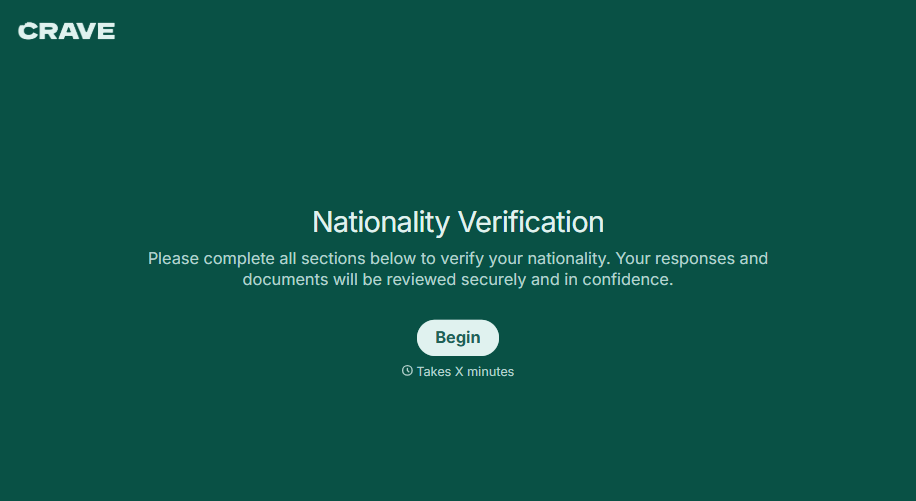
Nationality Verification Form
A self-certification buried in a stack of new account paperwork isn't the kind of record a compliance team can rely on for a regulatory filing. Collect nationality, tax residency, and a signed declaration before an account opens, so compliance isn't chasing down a customer's citizenship status after the fact.
View template
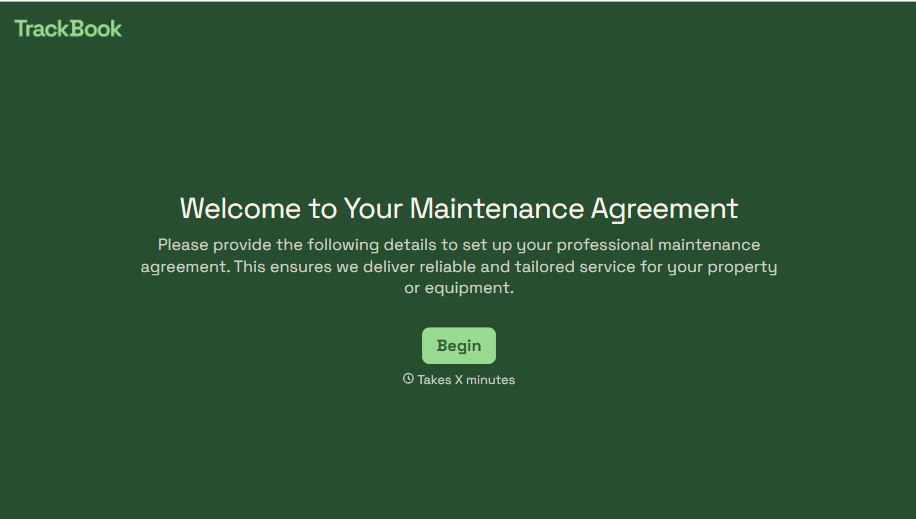
Maintenance Agreement Form
A maintenance plan agreed to over the phone isn't a contract your service team can actually work from, especially when nobody's sure whether the twice-a-year tune-up was part of the deal. Collect the equipment covered, service frequency, and a signed agreement before the first visit, so your team isn't guessing at scope once they're on-site.
View template
With Typeform, you can customize everything
Change text, colors, and even logos to match the look and feel of your brand. Then embed forms smoothly onto web and email.
Make forms feel effortless to fill out. Pace questions, call people by their name, and adapt the flow based on the data they share.
Stay efficient by connecting forms to your workflow. Typeform integrates with 300+ tools including Slack, Zapier, and HubSpot.