Pre Screening Form
Screen candidates before the first interview, so your hiring team spends time with the people worth meeting.



Hiring teams that skip pre-screening often realize halfway through an interview that a candidate doesn't meet basic requirements. That wastes time on both sides. Typeform's pre-screening form template gives hiring teams a consistent way to qualify candidates before they reach the interview stage.
The form captures the candidate's basic qualifications, work eligibility, availability, salary expectations, and any role-specific requirements in one flow. Typeform presents one question at a time, so candidates move through the screen without feeling interrogated. Conditional logic adapts questions based on the role applied for. A candidate applying for a technical role sees different qualifying questions than one applying for a client-facing or operational position.
Customize the form with your company name, open roles, and must-have qualifications for each position. Share it via email, embed it on your careers page, or include it in your recruitment workflow. Every response logs automatically in Google Sheets or Airtable via Zapier, so your team reviews results without digging through inboxes. Your hiring team walks into every interview knowing the candidate has already cleared the bar.
A pre-screening form collects basic qualifications, eligibility, and availability from candidates before a full interview. It gathers work authorization, availability, salary expectations, experience level, and role-specific criteria in a single submission. It functions as the first filter in the hiring process, so your team's time goes toward the right candidates.
Full interviews with unqualified candidates are expensive. A pre-screening step filters out candidates who don't meet basic requirements before anyone books time in their calendar. It also creates a structured, comparable record of every applicant's initial qualifications, making it easier to shortlist with confidence. Use it for all open roles, from entry-level positions to senior and specialized hires.
A complete pre-screening form covers:
- Applicant name and contact details
- Role applied for
- Work authorization and eligibility
- Relevant experience and qualifications
- Availability and notice period
- Salary expectations
- Role-specific qualifying questions (e.g., certifications, technical skills, location)
Set up conditional logic to branch by role, so each applicant only sees qualifying questions relevant to their position. A technical applicant sees questions about skills and certifications. A customer-facing applicant sees questions about communication experience and availability instead. This keeps your full hiring intake in one form without maintaining a separate screen for every role.
Export responses to Google Sheets via Zapier so every candidate's answers are organized in a single, filterable sheet. Add a scoring column to rank candidates by experience, availability, or salary alignment, then sort to build your shortlist. For high-volume hiring, use Typeform's response notifications to flag submissions that meet your threshold criteria automatically. Your team shortlists with data, not instinct.
Get inspired by relevant templates and categories
3200+ Templates, 300+ Integrations
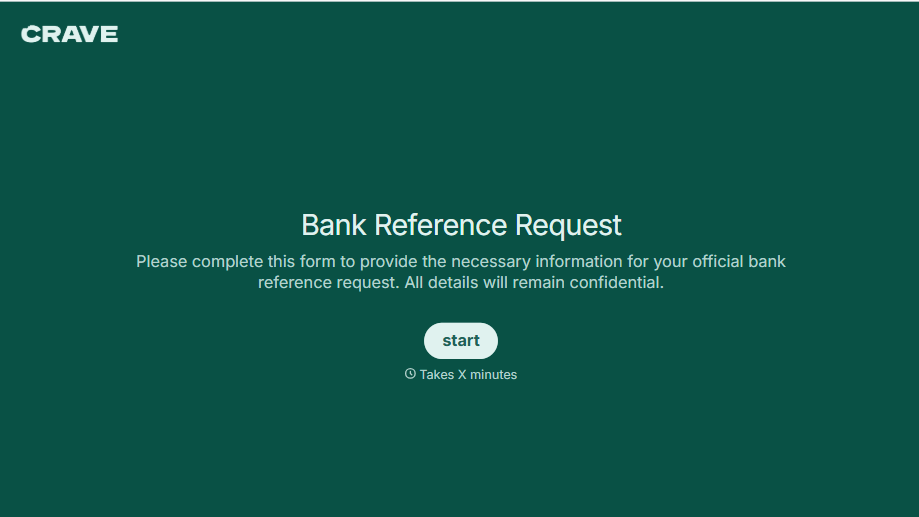
Bank Reference Form
A reference request faxed to a bank branch and left sitting in a queue for weeks isn't the kind of turnaround a landlord or business can wait on. Collect the applicant's signed authorization and the specific details you need confirmed before the request even reaches the bank, so a decision isn't stuck behind a letter that hasn't come back yet.
View template
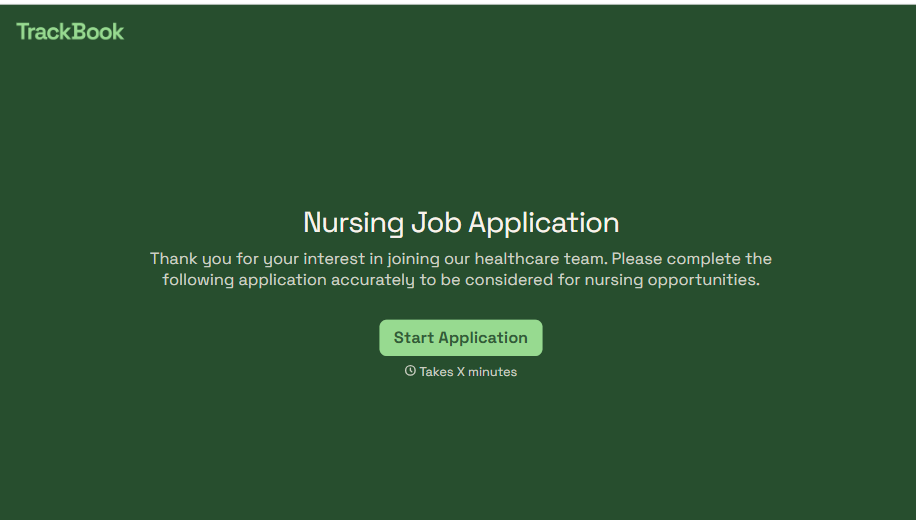
Nursing Job Application Form
A generic job application that doesn't ask for a license number isn't a nursing application, it's a formality a recruiter has to follow up on before they can even screen the candidate. Collect license and certification details, specialty experience, and availability before the resume gets reviewed, so recruiters aren't chasing down credentials mid-process.
View template
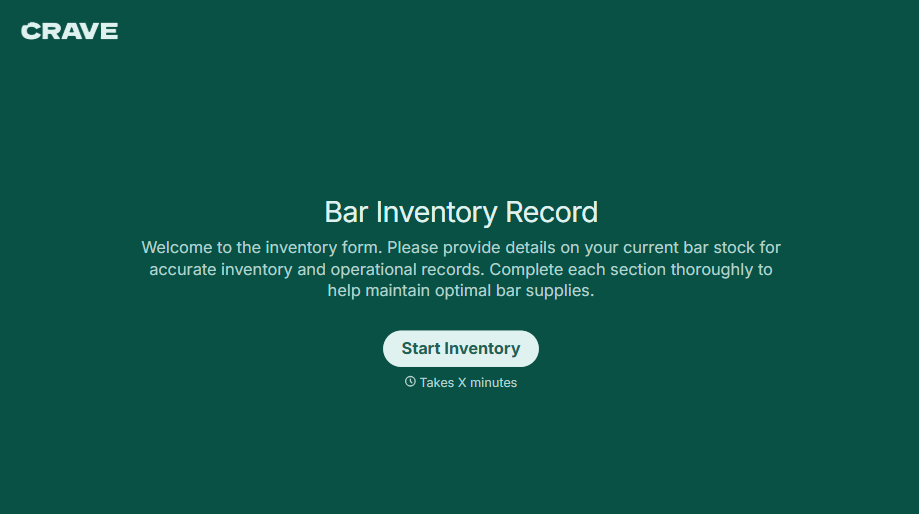
Bar Inventory Form
A bottle count eyeballed at the end of a shift and scrawled on a paper sheet doesn't hold up against a pour cost report that says something doesn't add up. Collect what your bar actually needs, item, count, and variance, on a schedule you can actually compare week to week.
View template
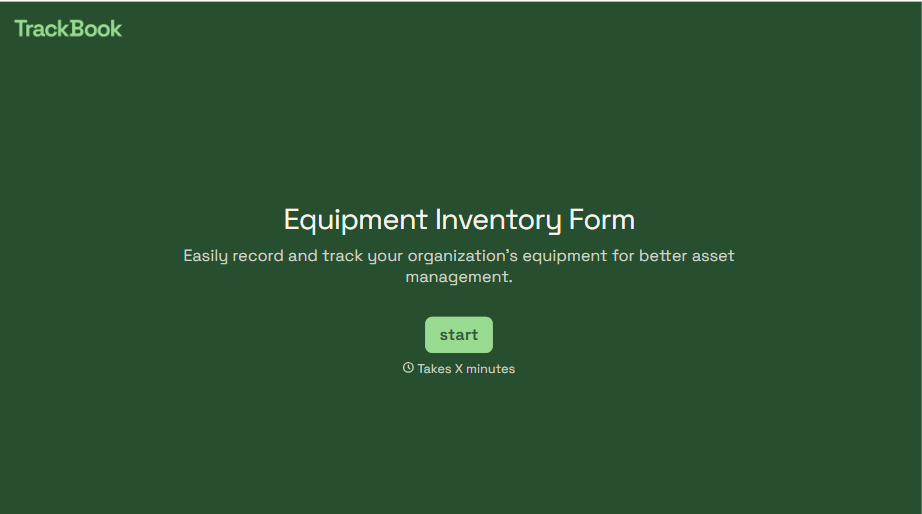
Equipment Inventory Form
Equipment that leaves a storage room in someone's arms, with no note about where it went, doesn't show up again until someone needs it and can't find it. Collect what your team actually needs, item details, condition, and who's got it, every time something moves.
View template
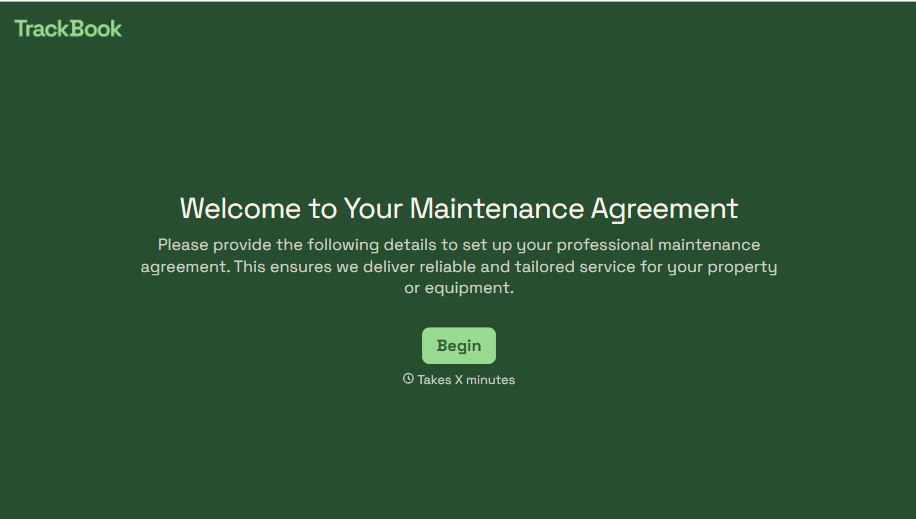
Maintenance Agreement Form
A maintenance plan agreed to over the phone isn't a contract your service team can actually work from, especially when nobody's sure whether the twice-a-year tune-up was part of the deal. Collect the equipment covered, service frequency, and a signed agreement before the first visit, so your team isn't guessing at scope once they're on-site.
View template
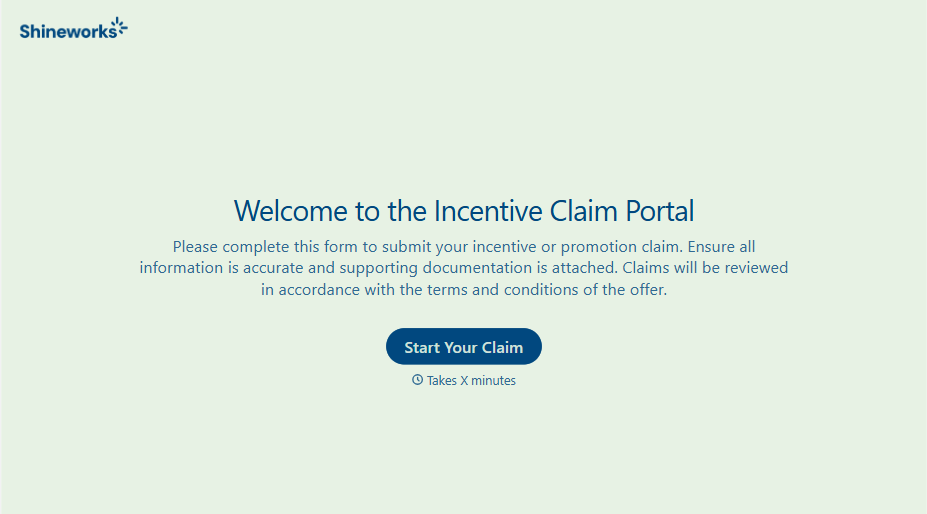
Incentive Claim Form
A rebate claim mailed in with a stapled stack of receipts isn't the kind of paperwork that gets processed quickly, especially when a required serial number turns out to be missing from page three. Collect proof of purchase, product details, and participant information upfront, so a claim doesn't bounce back for a missing document weeks later.
View template
With Typeform, you can customize everything
Change text, colors, and even logos to match the look and feel of your brand. Then embed forms smoothly onto web and email.
Make forms feel effortless to fill out. Pace questions, call people by their name, and adapt the flow based on the data they share.
Stay efficient by connecting forms to your workflow. Typeform integrates with 300+ tools including Slack, Zapier, and HubSpot.