Physical Therapist Evaluation Form Template
Document patient function, limitations, and goals from the first session in a structured format.



A thorough initial evaluation sets the foundation for every PT session that follows. But when evaluation notes are handwritten, inconsistently formatted, or spread across different documents, it's hard to track patient progress over time or hand off cases clearly to a colleague. The documentation process shouldn't slow down the clinical one.
A Typeform physical therapist evaluation form guides you through each assessment domain systematically. You can capture presenting complaint, pain levels, functional limitations, range of motion, strength findings, and patient goals in one place. Conditional logic lets you show musculoskeletal-specific questions for an orthopedic case that you wouldn't include for a neurological evaluation.
Customize the form to match your clinic's assessment protocol, add your branding, and use it for new patient intake or ongoing re-evaluations. Responses are organized and searchable, making progress tracking and reporting easier.
A physical therapist evaluation form documents the findings from an initial or follow-up patient assessment. It captures medical history, presenting symptoms, functional limitations, clinical findings from physical examination, and treatment goals, forming the foundation of the care plan.
A consistent evaluation format ensures nothing is missed during assessment and creates a reliable record for tracking progress over time. It also makes it easier to communicate with referring physicians, insurance providers, or other members of the care team.
Cover the clinical domains relevant to the patient's presentation:
- Patient demographics and referring physician details
- Chief complaint and history of present illness
- Pain rating and location (with body diagram if needed)
- Functional limitations and activities affected
- Postural assessment and range of motion findings
- Strength, flexibility, and balance test results
- Prior treatments and responses
- Short and long-term treatment goals
The template is fully editable. A pediatric PT evaluation will look different from one focused on sports rehabilitation or post-surgical recovery. Conditional logic lets you branch the assessment based on the patient's age group, injury type, or referral diagnosis.
Yes. You can create a shorter re-evaluation version that focuses on progress since the last assessment, changes in pain or function, and updated goals. Comparing the initial evaluation with re-evaluations over time gives you a clear, documented record of the patient's trajectory.
Get inspired by relevant templates and categories
3200+ Templates, 300+ Integrations
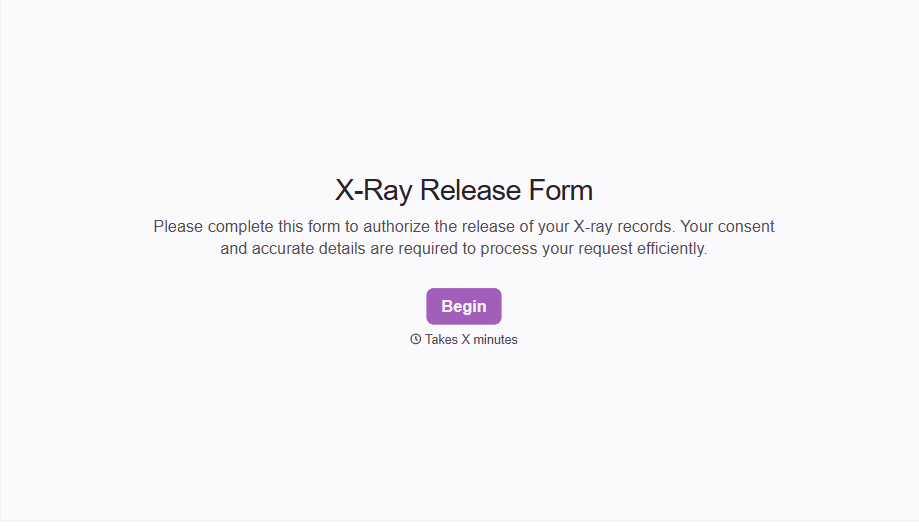
X-Ray Release Form
A phone call asking to send X-rays to a new provider isn't an authorization your compliance file can rely on. Collect patient information, the receiving provider's details, and a signed authorization before the images go out, so your front desk isn't scrambling to prove who approved a release.
View template
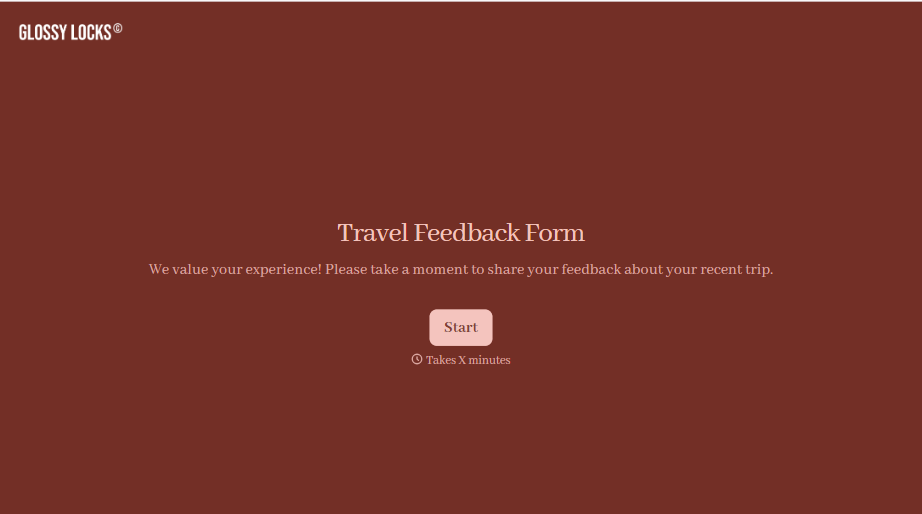
Travel Feedback Form
A quick "so, how was the trip?" when someone's back in the office doesn't tell your travel team which hotel to stop booking or which flight change actually caused the headache. Collect what your team actually needs, trip details, what worked, and what didn't, once the traveler's had a minute to think about it.
View template
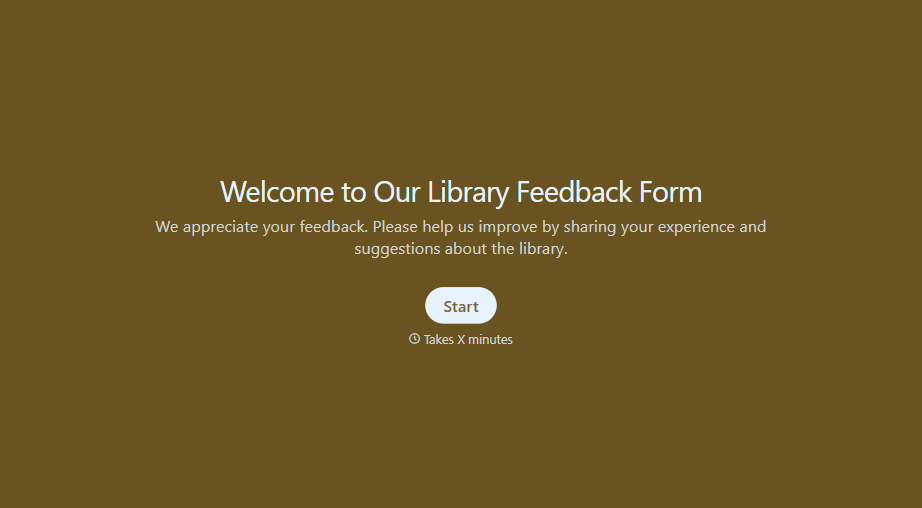
Library Feedback Form
A comment card dropped in a suggestion box isn't a channel your staff can act on quickly, especially when nobody can tell if it's about a broken chair or a request for more audiobooks. Collect the specific feedback, which branch and department it concerns, and a way to follow up before the card gets buried under next week's stack.
View template
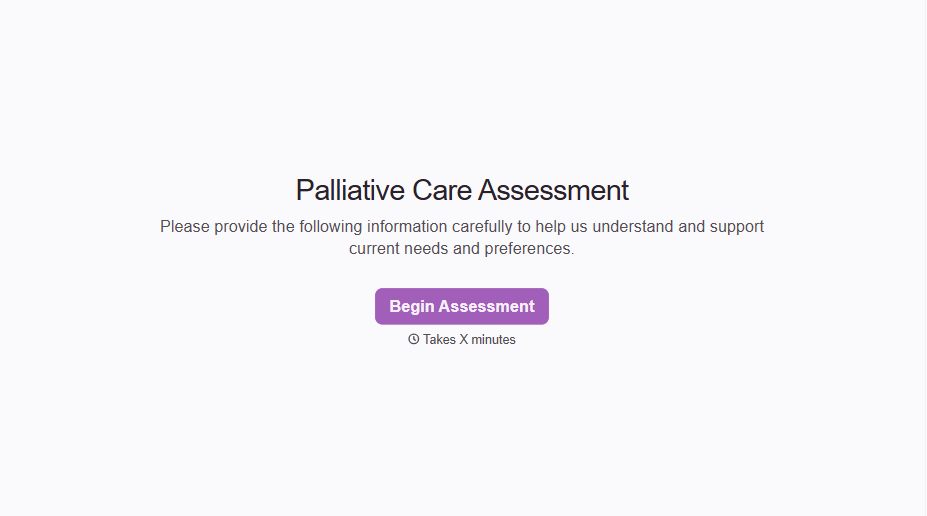
Palliative Care Assessment Form
A symptom check done verbally during a rushed home visit isn't the kind of record that shows whether pain management is actually working from one visit to the next. Collect symptom severity, functional status, and psychosocial needs consistently, so a care team can see change over time instead of relying on memory of the last visit.
View template

Travel Agency Feedback Form
A generic satisfaction survey emailed three weeks after a trip isn't the kind of feedback an agency can act on, especially once the specifics of a rough hotel transfer have faded. Collect feedback on the specific parts of a trip while it's still fresh, so a complaint that needs immediate follow-up doesn't sit behind a stack of routine responses.
View template

Medical Teaching Feedback Form
An evaluation handed out on the last day of a rotation, filled out in the hallway before everyone scatters, isn't the kind of feedback that helps a program improve teaching quality. Collect specific, timely feedback on teaching encounters before it fades into a generic "good rotation" comment.
View template
With Typeform, you can customize everything
Change text, colors, and even logos to match the look and feel of your brand. Then embed forms smoothly onto web and email.
Make forms feel effortless to fill out. Pace questions, call people by their name, and adapt the flow based on the data they share.
Stay efficient by connecting forms to your workflow. Typeform integrates with 300+ tools including Slack, Zapier, and HubSpot.