Pastor Evaluation Form
Collect structured feedback from your congregation on preaching, pastoral care, and leadership, so pastors and church leaders can serve their community better.



Congregations that collect feedback through informal conversations and suggestion boxes have no consistent picture of how ministry is landing. Without a structured process, gaps in pastoral care and leadership stay hidden until they become larger problems. Typeform's pastor evaluation template gives churches a consistent way to collect meaningful feedback that supports the pastor-congregation relationship.
The form captures attendance frequency, ratings on preaching, pastoral care, leadership, and vision, plus an open field for personal feedback. Questions appear one at a time, so members reflect on each area of ministry thoughtfully without rushing through the evaluation. Conditional logic adapts the form based on how frequently a member attends. Regular attendees see questions about ministry involvement and programs, while occasional attendees answer questions about their overall church experience.
Customize the evaluation categories and rating scales to match your church's ministry focus and leadership structure. Share it via email, post a QR code in the weekly bulletin, or embed it on your church website. Submissions log automatically in Google Sheets or your church platform via Zapier, so leaders review aggregated feedback across the congregation. Give pastors and church administrators a clear, organized picture of how the congregation experiences ministry.
A pastor evaluation form collects structured feedback from congregation members on preaching, pastoral care, leadership, and overall ministry experience. It gives pastors and church leaders consistent feedback to identify strengths and areas for growth across the full congregation. Every evaluation cycle produces actionable feedback that pastors and administrators can bring to a leadership conversation.
A brief conversation after service doesn't reveal whether preaching resonates, pastoral care feels accessible, or the congregation feels spiritually fed. A pastor evaluation form gives the congregation a voice and pastors the structured feedback they need to grow. Over time, that feedback becomes a clear picture of where the congregation is thriving and where it needs more support.
Start with what your church needs from every evaluation:
- Attendance frequency and involvement in church programs
- Ratings on preaching clarity, depth, and relevance
- Pastoral care and accessibility
- Leadership vision and community engagement
- Open field for personal feedback or encouragement
Set name and contact fields as optional so members choose whether to submit anonymously or invite a follow-up conversation. No one is required to identify themselves, so feedback is honest, and the door stays open for those who want to engage in dialogue with leadership.
One form covers every ministry area. Add a ministry area dropdown and use conditional logic to route each member to the questions that apply to them. Youth ministry members see questions about programming and family pastoral care, while Sunday attendees focus on preaching and worship. Every segment of the congregation gets a relevant experience without having to build separate evaluations for each.
Get inspired by relevant templates and categories
3200+ Templates, 300+ Integrations
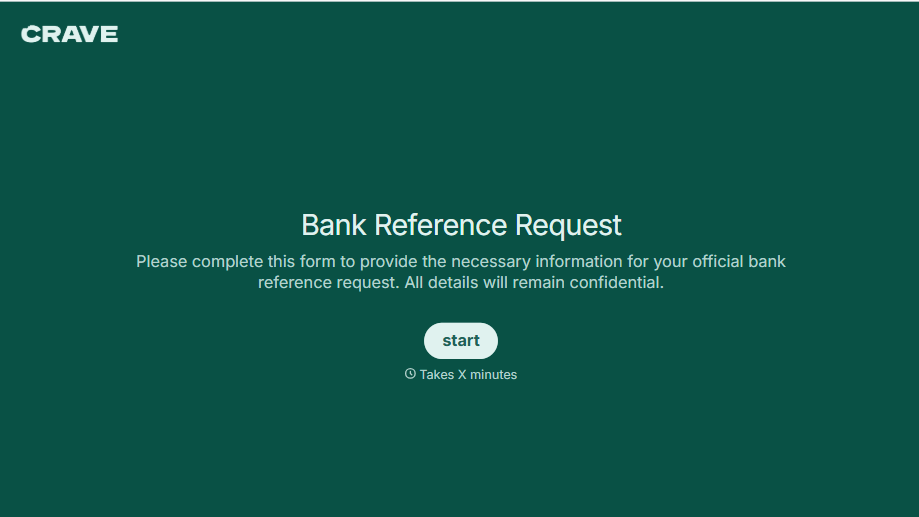
Bank Reference Form
A reference request faxed to a bank branch and left sitting in a queue for weeks isn't the kind of turnaround a landlord or business can wait on. Collect the applicant's signed authorization and the specific details you need confirmed before the request even reaches the bank, so a decision isn't stuck behind a letter that hasn't come back yet.
View template
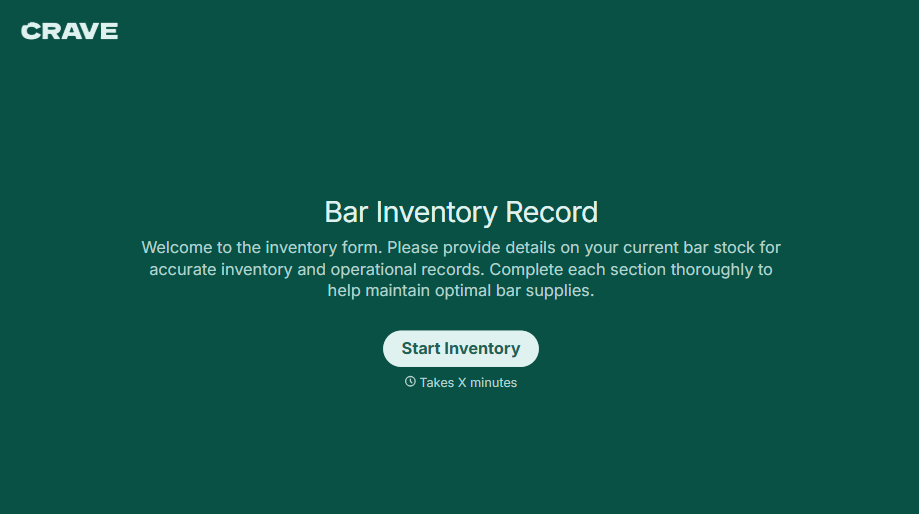
Bar Inventory Form
A bottle count eyeballed at the end of a shift and scrawled on a paper sheet doesn't hold up against a pour cost report that says something doesn't add up. Collect what your bar actually needs, item, count, and variance, on a schedule you can actually compare week to week.
View template
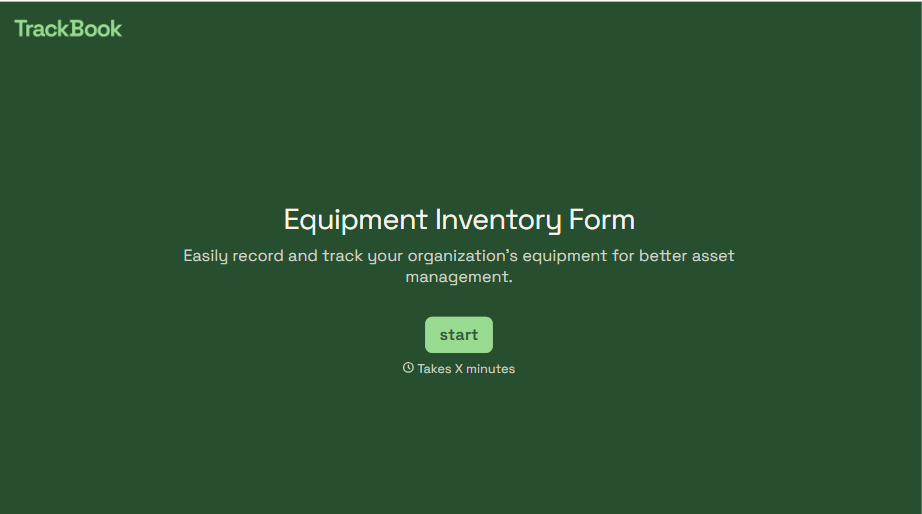
Equipment Inventory Form
Equipment that leaves a storage room in someone's arms, with no note about where it went, doesn't show up again until someone needs it and can't find it. Collect what your team actually needs, item details, condition, and who's got it, every time something moves.
View template
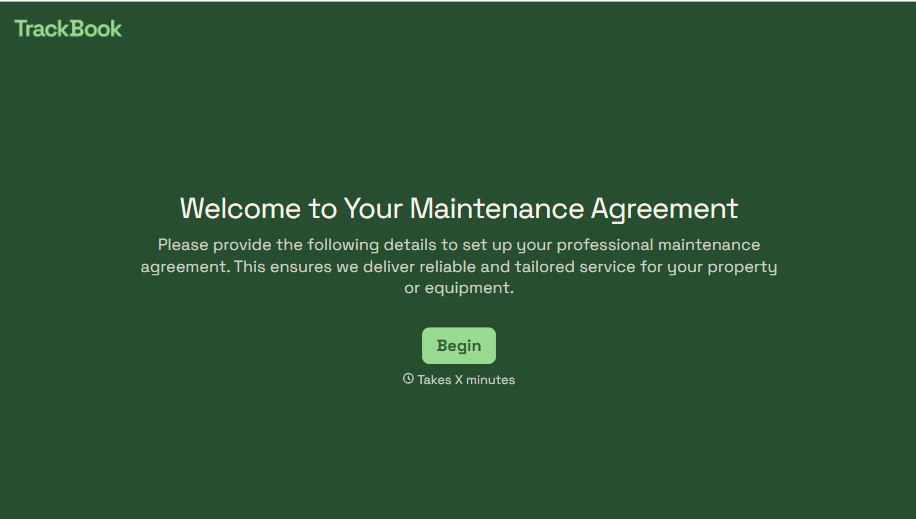
Maintenance Agreement Form
A maintenance plan agreed to over the phone isn't a contract your service team can actually work from, especially when nobody's sure whether the twice-a-year tune-up was part of the deal. Collect the equipment covered, service frequency, and a signed agreement before the first visit, so your team isn't guessing at scope once they're on-site.
View template
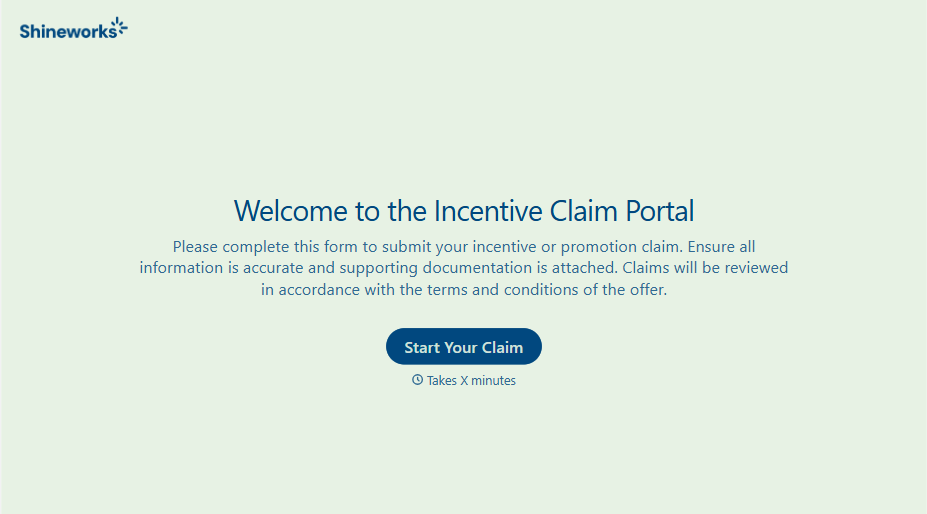
Incentive Claim Form
A rebate claim mailed in with a stapled stack of receipts isn't the kind of paperwork that gets processed quickly, especially when a required serial number turns out to be missing from page three. Collect proof of purchase, product details, and participant information upfront, so a claim doesn't bounce back for a missing document weeks later.
View template
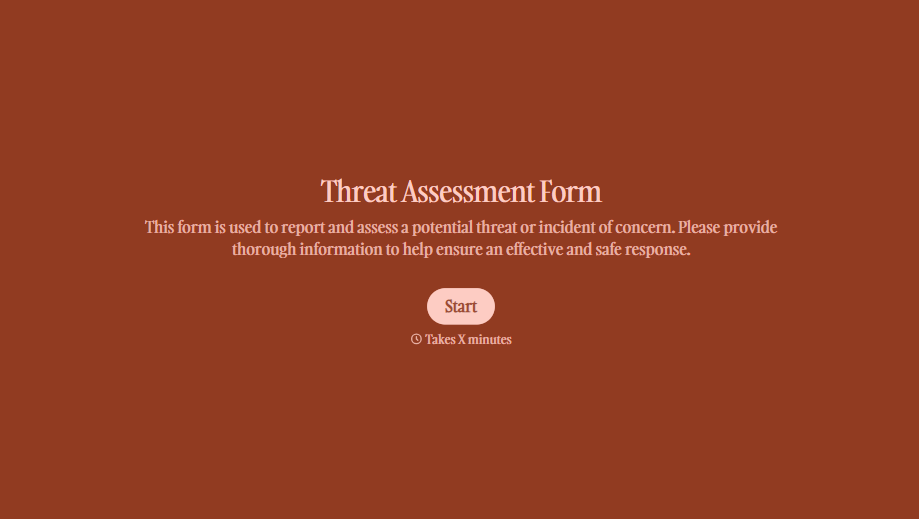
Threat Assessment Form
A concerning comment that gets passed from a teacher to a counselor to whoever's free that period loses detail with every retelling. Collect what your team actually needs, what was observed or reported, who was involved, and when, before an important detail gets dropped along the way.
View template
With Typeform, you can customize everything
Change text, colors, and even logos to match the look and feel of your brand. Then embed forms smoothly onto web and email.
Make forms feel effortless to fill out. Pace questions, call people by their name, and adapt the flow based on the data they share.
Stay efficient by connecting forms to your workflow. Typeform integrates with 300+ tools including Slack, Zapier, and HubSpot.