Nurse Satisfaction Survey Form
Measure what nurses experience at work, so your leadership team acts on real feedback before retention becomes a problem.



Healthcare organizations that rely on exit interviews to understand nurse dissatisfaction are already too late. Most nurses don't resign suddenly. The factors behind their decision build for months before anyone measures them. Typeform's nurse satisfaction survey gives nursing leadership a structured, anonymous way to measure staff experience across the organization.
The survey covers workload and staffing levels, management support, patient safety culture, shift conditions, professional development, and overall job satisfaction. Nurses move through one question at a time, so each aspect of their experience gets proper consideration. Conditional logic follows up on low scores with open-text questions, so leadership understands the reason behind each rating. A nurse who rates staffing levels poorly is prompted to describe the impact, giving leadership something concrete to address.
Customize it with your organization's care settings, department structure, and any staffing initiatives you want to measure. Deploy it across your nursing workforce, segment by ward or specialty, or run it alongside a specific staffing initiative. Every response flows into Google Sheets via Zapier, so your nursing leadership team analyzes results without manually compiling data. Nurses who feel heard stay longer, and your organization acts before good staff start looking for a reason to leave.
A nurse satisfaction survey measures how nursing staff experience the workplace, covering workload, management, patient safety, and professional development. It captures nurse perceptions of staffing levels, leadership, shift conditions, and overall quality of the working environment. Think of it as the early signal that tells leadership what needs addressing before experienced nurses start looking elsewhere.
High nursing turnover is expensive, disruptive, and directly affects patient care. A nurse who leaves takes clinical experience, team relationships, and institutional knowledge that takes years to rebuild. A structured survey gives nurses a consistent channel to share their experience and gives leadership the data to act. Use it for annual satisfaction reviews, post-restructure pulse checks, new graduate assessments, and periods of significant staffing change.
Cover every dimension that affects nurse retention:
- Overall job satisfaction rating
- Workload and staffing levels
- Management and leadership support
- Colleague relationships and team dynamics
- Patient safety culture (feeling able to raise safety concerns)
- Physical working environment and equipment
- Shift patterns and work-life balance
- Access to training and professional development
- Opportunities for career progression
- Communication from senior leadership
- One or two open-text questions for additional context
Nurses give more candid answers about management, staffing, and safety culture when they know responses are anonymous. Enabling anonymous submissions lets staff respond honestly without concern about how their feedback will be received by leadership. State clearly in your introduction that responses are anonymous and results are never attributed to individuals.
A single nurse satisfaction survey gives you a snapshot of how staff feel at a specific point in time. Running the same survey periodically shows whether staffing conditions are improving, stable, or worsening over time. Keep the same core questions so results stay comparable, and add new questions when a specific initiative needs measurement.
Get inspired by relevant templates and categories
3200+ Templates, 300+ Integrations
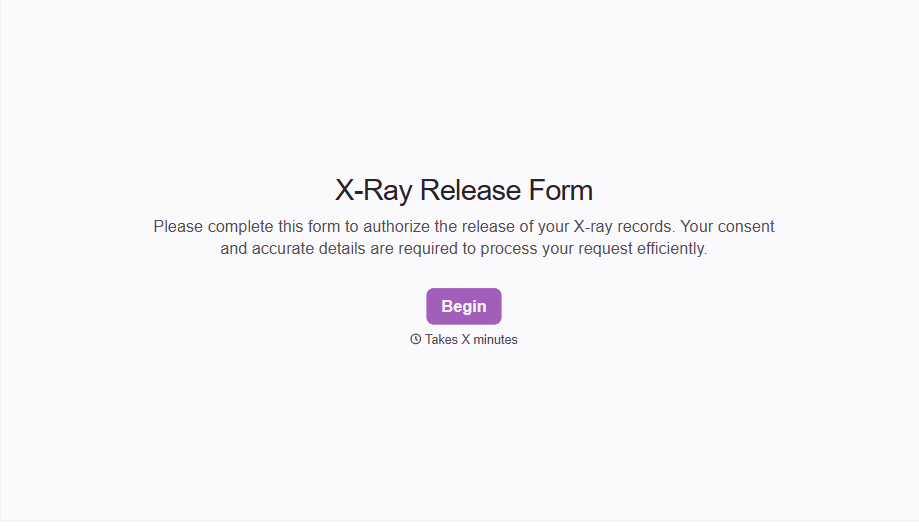
X-Ray Release Form
A phone call asking to send X-rays to a new provider isn't an authorization your compliance file can rely on. Collect patient information, the receiving provider's details, and a signed authorization before the images go out, so your front desk isn't scrambling to prove who approved a release.
View template
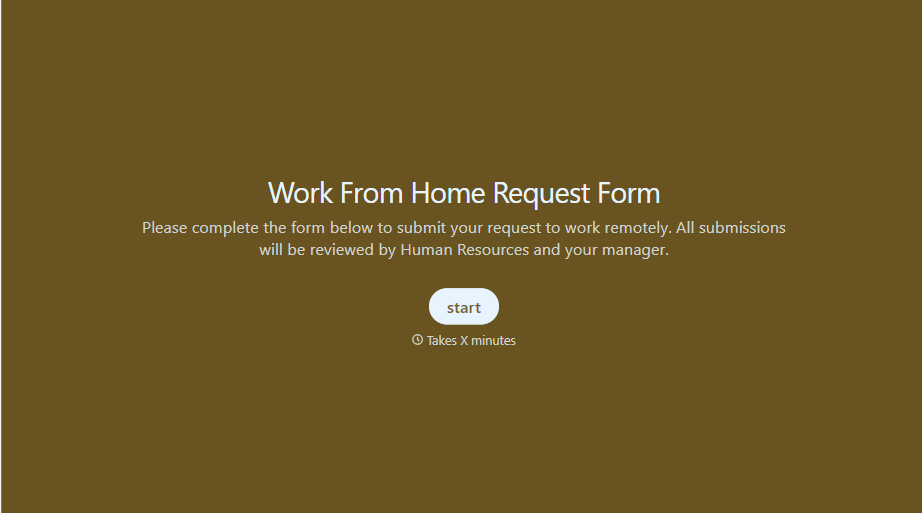
Work From Home Request Form
A Slack message asking to work from home on Thursday isn't a request anyone can track, especially once the same employee has asked five different ways over a month. Collect the request type, dates or schedule, and manager approval in one place, so HR isn't reconstructing who's working where from a scattered inbox.
View template
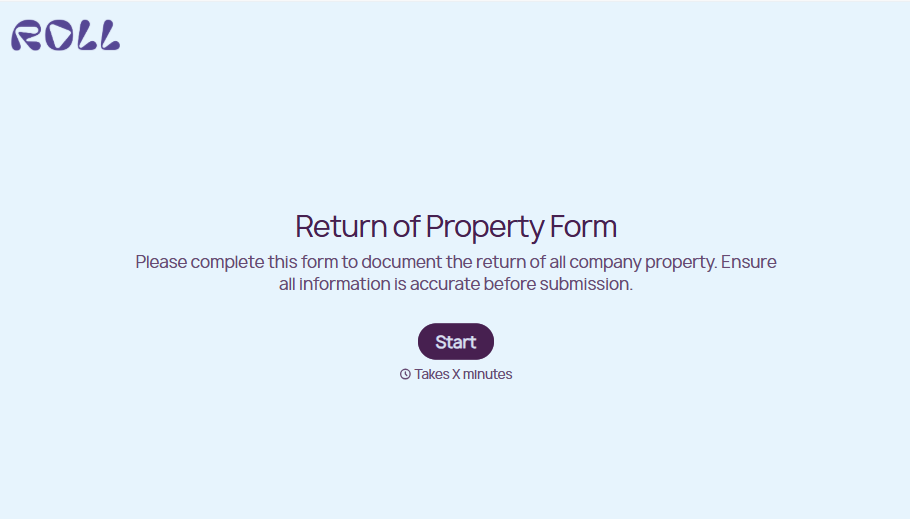
Return of Property Form
A property checklist stapled to an exit interview packet isn't a record anyone can rely on when a laptop turns up missing three weeks later. Collect itemized equipment details, condition at return, and a signed acknowledgment before an employee's last day, so IT isn't chasing down a laptop that already walked out the door.
View template
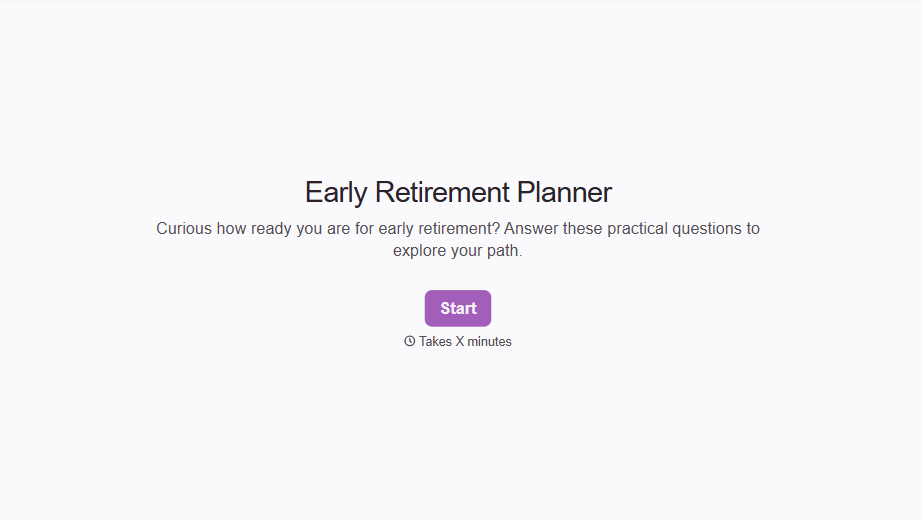
Early Retirement Form
A retirement mentioned to a manager in conversation doesn't give HR anything to actually process, and if there's an incentive deadline attached, the date that conversation happened can matter more than anyone realized at the time. Collect what your HR team actually needs, employee information, requested date, and benefit elections, before a window closes.
View template
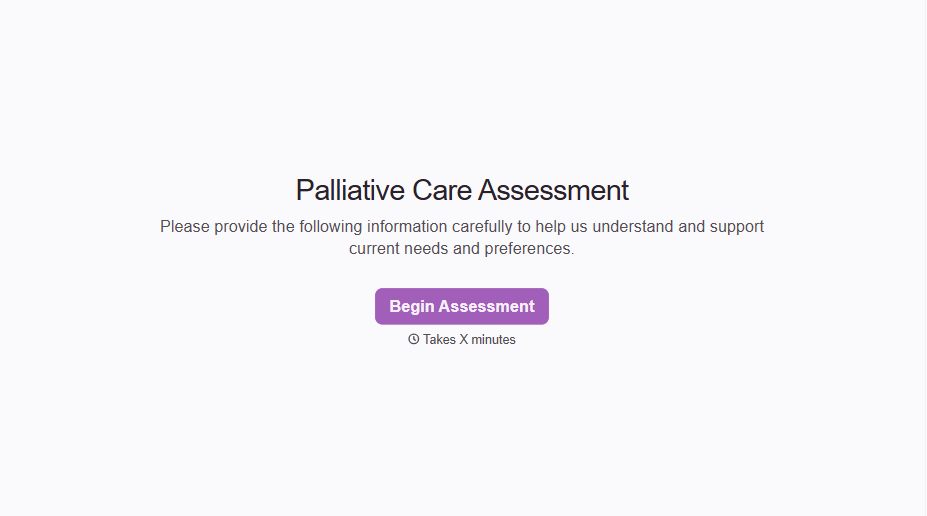
Palliative Care Assessment Form
A symptom check done verbally during a rushed home visit isn't the kind of record that shows whether pain management is actually working from one visit to the next. Collect symptom severity, functional status, and psychosocial needs consistently, so a care team can see change over time instead of relying on memory of the last visit.
View template
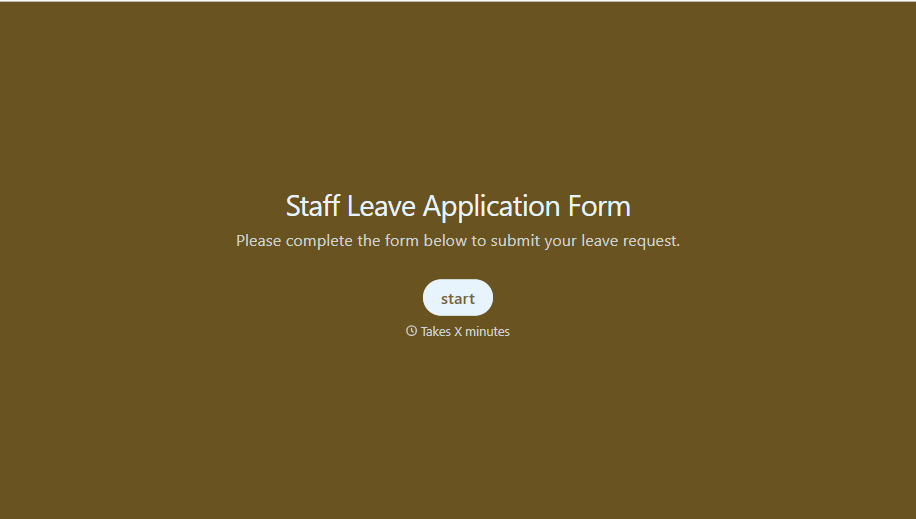
Staff Leave Application Form
A vacation request approved with a thumbs-up emoji in Slack isn't the kind of record payroll can work from when it's time to reconcile someone's leave balance. Collect the leave type, dates, and manager approval in one place, so a team doesn't accidentally double-book someone's time off.
View template
With Typeform, you can customize everything
Change text, colors, and even logos to match the look and feel of your brand. Then embed forms smoothly onto web and email.
Make forms feel effortless to fill out. Pace questions, call people by their name, and adapt the flow based on the data they share.
Stay efficient by connecting forms to your workflow. Typeform integrates with 300+ tools including Slack, Zapier, and HubSpot.