Mileage Reimbursement Form Template
Mileage claims shouldn’t require a spreadsheet and a prayer. Give employees a quick way to log and submit every trip.



Mileage reimbursement is one of those small HR processes that causes more headaches than it should. Employees forget to log trips, lose receipts, and submit claims weeks (or months) late. Finance teams get inconsistent submissions — some with detailed breakdowns, others with nothing but a number and a "trust me." The result is delayed reimbursements, frustrated employees, and compliance headaches during audits.
This mileage reimbursement form template standardizes every submission. Employees enter the trip date, starting and ending locations, purpose, total miles, and the applicable reimbursement rate. Conditional logic adjusts fields based on trip type: client visit vs. conference travel vs. routine commute exception. File uploads handle odometer photos or supporting documentation when required by your policy.
Each submission routes to the approving manager via Slack or email and logs automatically in Google Sheets or your expense system via Zapier. Finance gets consistent, auditable records. Employees get faster reimbursements, and nobody argues about mileage calculations because the math is documented from the start.
A mileage reimbursement form is an expense document employees submit to claim compensation for business-related driving done in their personal vehicle. It records trip details — date, route, purpose, and distance — and calculates the reimbursement amount based on the organization's per-mile rate. It serves as both a request for payment and an auditable record of business travel.
Informal mileage claims — emails, sticky notes, verbal requests — create inconsistency and audit risk. A standardized form ensures every claim contains the same information: who drove, where, when, why, and how far. This protects the organization during tax audits (where mileage deductions are frequently scrutinized), speeds up approval, and gives employees clear expectations for what information they need to provide.
- Employee name, department, and date of submission
- Trip date and business purpose or client visited
- Starting address and destination address
- Total miles driven (round trip)
- Reimbursement rate applied (or auto-calculated based on company policy)
- Any additional expenses related to the trip (tolls, parking)
Most organizations follow the IRS standard mileage rate, which is updated annually. As of recent years, it's been in the range of $0.65 to $0.70 per mile for business use. You can set a flat rate, match the IRS rate, or establish a custom rate based on your region and cost considerations. Include the current rate in the form instructions so employees know exactly what to expect per mile.
Require specific starting and ending addresses, not vague descriptions like "office to client." This lets you verify distances using mapping tools. Require a business purpose for each trip, and flag claims that seem unusually high for the stated route. Some organizations require odometer readings or GPS verification for frequent claimants. Regular audits of a random sample of claims also discourage inflation.
Get inspired by relevant templates and categories
3200+ Templates, 300+ Integrations
Bank Reference Form
A reference request faxed to a bank branch and left sitting in a queue for weeks isn't the kind of turnaround a landlord or business can wait on. Collect the applicant's signed authorization and the specific details you need confirmed before the request even reaches the bank, so a decision isn't stuck behind a letter that hasn't come back yet.
View template
Work From Home Request Form
A Slack message asking to work from home on Thursday isn't a request anyone can track, especially once the same employee has asked five different ways over a month. Collect the request type, dates or schedule, and manager approval in one place, so HR isn't reconstructing who's working where from a scattered inbox.
View template
Return of Property Form
A property checklist stapled to an exit interview packet isn't a record anyone can rely on when a laptop turns up missing three weeks later. Collect itemized equipment details, condition at return, and a signed acknowledgment before an employee's last day, so IT isn't chasing down a laptop that already walked out the door.
View template
Bar Inventory Form
A bottle count eyeballed at the end of a shift and scrawled on a paper sheet doesn't hold up against a pour cost report that says something doesn't add up. Collect what your bar actually needs, item, count, and variance, on a schedule you can actually compare week to week.
View template
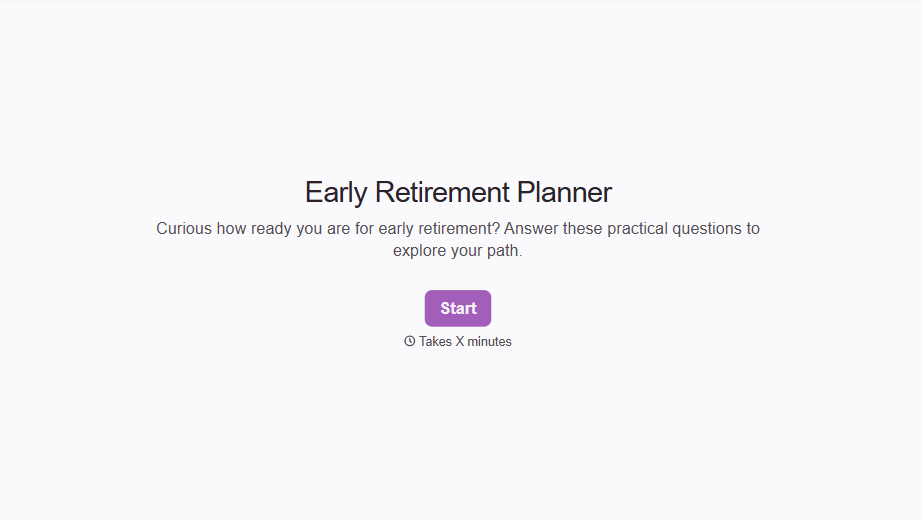
Early Retirement Form
A retirement mentioned to a manager in conversation doesn't give HR anything to actually process, and if there's an incentive deadline attached, the date that conversation happened can matter more than anyone realized at the time. Collect what your HR team actually needs, employee information, requested date, and benefit elections, before a window closes.
View template
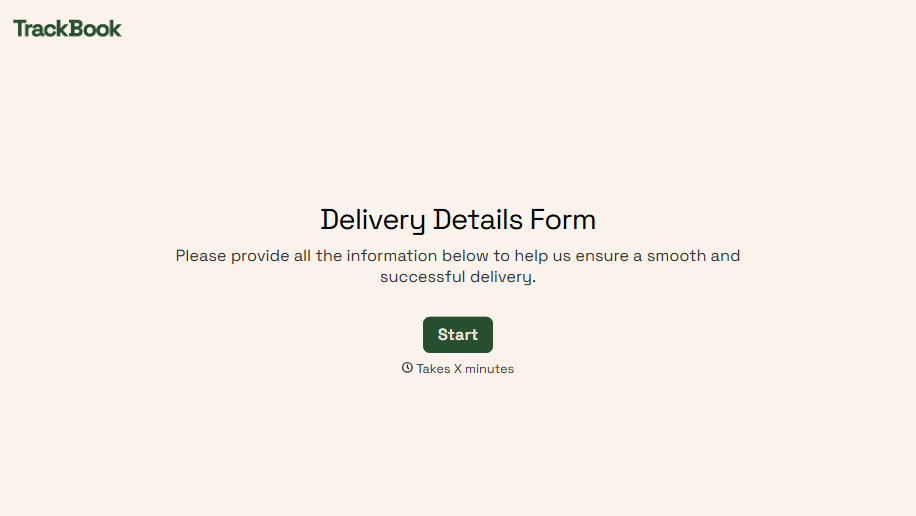
With Typeform, you can customize everything
Change text, colors, and even logos to match the look and feel of your brand. Then embed forms smoothly onto web and email.
Make forms feel effortless to fill out. Pace questions, call people by their name, and adapt the flow based on the data they share.
Stay efficient by connecting forms to your workflow. Typeform integrates with 300+ tools including Slack, Zapier, and HubSpot.