Meeting Feedback Form
Collect structured feedback from every attendee after each meeting, so your team can improve how it runs them.



Teams that rely on verbal post-meeting feedback hear from the loudest voices, not necessarily the most useful ones. Without a structured process, recurring issues like poor agenda clarity, time overruns, and unclear outcomes go unaddressed. Typeform's meeting feedback form gives teams a consistent way to collect structured responses from every attendee after every meeting.
The form captures overall meeting rating, agenda clarity, facilitator effectiveness, time management, action item clarity, and open-ended suggestions from every attendee. One question at a time keeps respondents focused on each aspect of the meeting before moving to the next. Conditional logic adapts the questions based on the meeting type and the respondent's role in the meeting. A stand-up attendee sees different questions than a quarterly planning facilitator, so feedback matches each meeting format.
Customize it with your team name, meeting types, and any categories specific to how your organization structures its meetings. Share it at the end of each session via a Slack message, email, or a calendar invite link. Every response routes to your team via Zapier, so patterns across meetings are visible without manually reviewing individual submissions. When feedback flows after every session, recurring issues get named, and your team stops defaulting to meetings that accomplish little.
A meeting feedback form collects structured input from attendees about the quality, effectiveness, and outcomes of a meeting. It captures responses on agenda clarity, facilitation, time management, decision quality, and whether action items were communicated clearly. Think of it as the signal that shows whether your meetings move work forward or just fill calendars.
Most teams assume their meetings are useful but never ask the people in the room. Without structured feedback, meeting problems like poor facilitation, unclear outcomes, or recurring overruns become normalized rather than fixed. A structured form gives every attendee a voice, not just the team members who speak up in the room. Use it for team stand-ups, retrospectives, all-hands sessions, client meetings, and any recurring session your team wants to improve.
Cover both the meeting structure and the experience of attendees:
- Overall meeting rating (1–5 scale)
- Agenda clarity (was it clear what the meeting was for?)
- Facilitator effectiveness (did the facilitator keep things on track?)
- Time management (did the meeting start and end on time?)
- Quality of discussion and decision-making
- Clarity of action items and next steps
- Whether the meeting could have been an email
- Whether all the right people were in the room
- Overall value of the attendee's time
- Open-ended suggestions for improvement
- Respondent's role in the meeting (facilitator, attendee, presenter)
Honest meeting feedback is hard to collect when respondents know their responses will be attributed to them. Enable anonymous submissions so attendees feel comfortable rating a session candidly, even when the facilitator is their manager. Anonymous responses tend to surface the feedback that matters most, particularly around facilitation quality and meeting culture.
Use Typeform's Rating and Opinion Scale question types to collect quantifiable meeting quality data across multiple dimensions. Rating scales give you consistent, comparable data over time, so you can track whether meeting quality improves across months. Pair rating questions with open-ended follow-ups to understand not just how attendees scored the meeting but why.
Get inspired by relevant templates and categories
3200+ Templates, 300+ Integrations
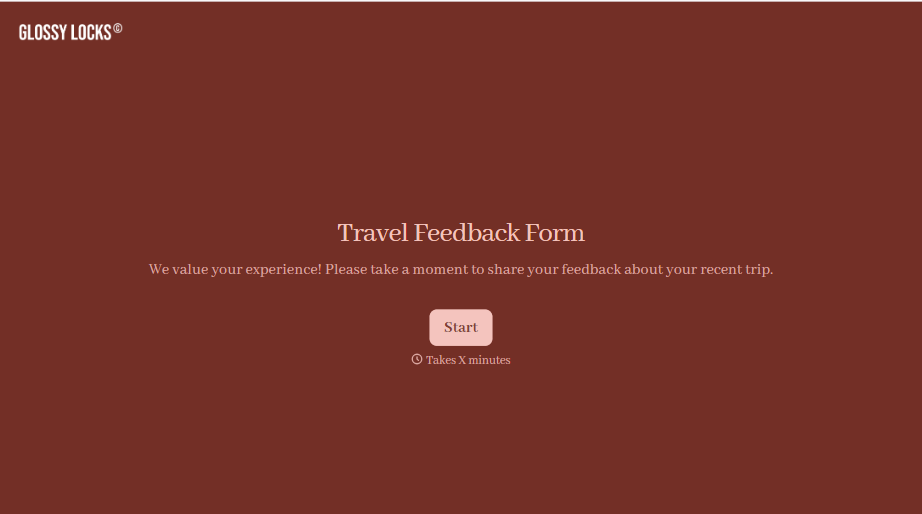
Travel Feedback Form
A quick "so, how was the trip?" when someone's back in the office doesn't tell your travel team which hotel to stop booking or which flight change actually caused the headache. Collect what your team actually needs, trip details, what worked, and what didn't, once the traveler's had a minute to think about it.
View template
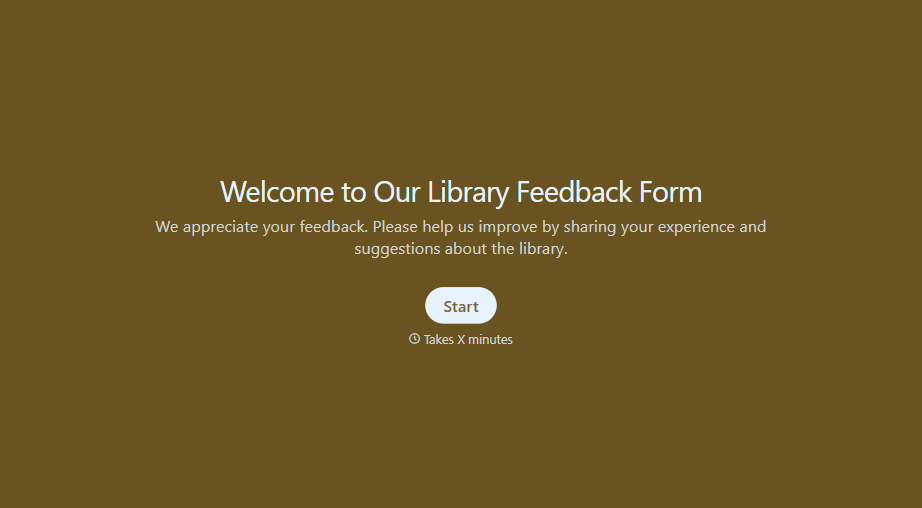
Library Feedback Form
A comment card dropped in a suggestion box isn't a channel your staff can act on quickly, especially when nobody can tell if it's about a broken chair or a request for more audiobooks. Collect the specific feedback, which branch and department it concerns, and a way to follow up before the card gets buried under next week's stack.
View template
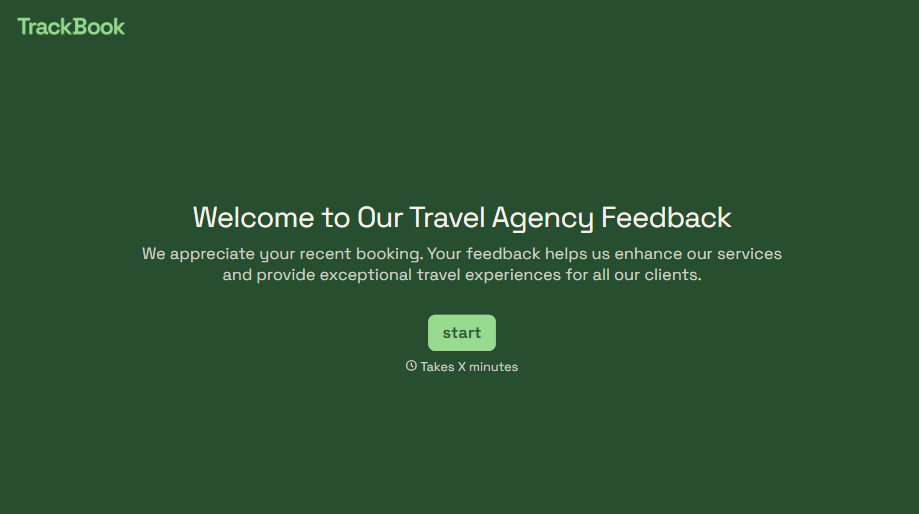
Travel Agency Feedback Form
A generic satisfaction survey emailed three weeks after a trip isn't the kind of feedback an agency can act on, especially once the specifics of a rough hotel transfer have faded. Collect feedback on the specific parts of a trip while it's still fresh, so a complaint that needs immediate follow-up doesn't sit behind a stack of routine responses.
View template
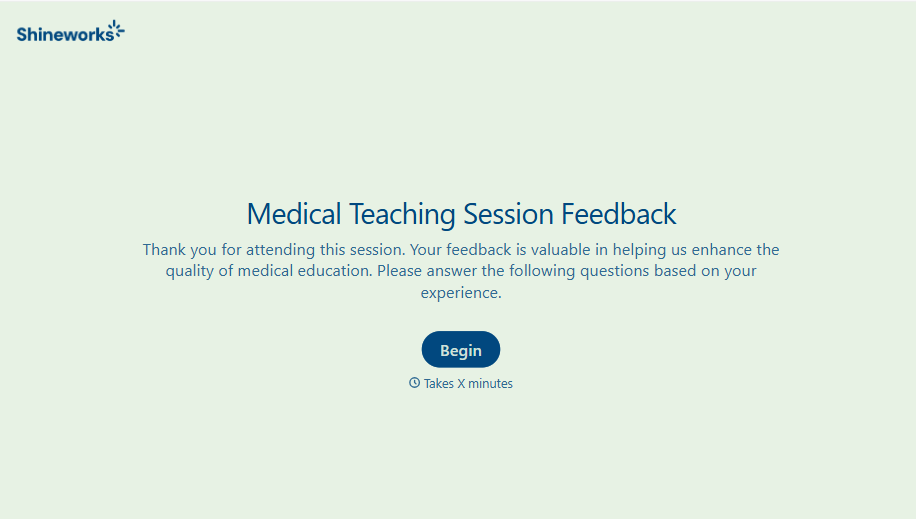
Medical Teaching Feedback Form
An evaluation handed out on the last day of a rotation, filled out in the hallway before everyone scatters, isn't the kind of feedback that helps a program improve teaching quality. Collect specific, timely feedback on teaching encounters before it fades into a generic "good rotation" comment.
View template
Technician Evaluation Form
A ride-along evaluation scribbled on a clipboard in the truck isn't the kind of record that holds up months later when it's time to talk about a raise or a certification renewal. Collect specific skill, safety, and customer service observations while the job's still fresh, so a technician's review is built on more than a supervisor's memory of the day.
View template
Facilitator Evaluation Form
A round of applause and a few nodding heads doesn't tell your program which facilitator's session actually clicked and which one needs coaching before the next cohort. Collect what your team actually needs, session details, ratings, and specific feedback, before everyone moves on to the next session.
View template
With Typeform, you can customize everything
Change text, colors, and even logos to match the look and feel of your brand. Then embed forms smoothly onto web and email.
Make forms feel effortless to fill out. Pace questions, call people by their name, and adapt the flow based on the data they share.
Stay efficient by connecting forms to your workflow. Typeform integrates with 300+ tools including Slack, Zapier, and HubSpot.