Lesson Plan Form Template
Good teaching starts with good planning. Give educators a framework that makes lesson design consistent and shareable.



Every teacher plans lessons, but the format varies wildly from detailed documents to sticky notes to "it's all in my head." When administrators need to review plans, when substitute teachers need to step in, or when teams want to share best practices, that inconsistency becomes a real problem.
This lesson plan form template provides a structured framework that captures objectives, standards alignment, materials, activities, differentiation strategies, and assessment methods. Conditional logic adjusts the form based on grade level and subject area, showing relevant standards and activity types for each context.
Complete it weekly or per unit, and let integrations push completed plans to shared drives, curriculum management systems, or department heads for review. Consistent formatting makes plans easier to review, easier to reuse, and easier to hand off when life happens.
A lesson plan form is a structured template that guides educators through the process of planning instructional activities. It captures learning objectives, standards alignment, instructional strategies, materials needed, activity sequences, differentiation approaches, and assessment methods. It ensures that lesson planning is intentional, documented, and aligned with curriculum goals.
Standardization doesn't stifle creativity. It creates a shared language. When every lesson plan follows the same structure, administrators can review them efficiently, substitute teachers can follow them effectively, and teaching teams can share them meaningfully. It also helps educators themselves: a consistent framework prompts you to think through elements (differentiation, assessment) that might otherwise get shortchanged in the rush of daily planning.
- Teacher name, subject, grade level, and date or unit
- Learning objectives (what students will know or be able to do)
- Standards addressed (Common Core, state standards, or institutional standards)
- Materials and resources needed
- Instructional activities with time estimates (introduction, guided practice, independent work, closure)
- Assessment method and success criteria
Detailed enough that another qualified teacher could execute it without additional guidance. That's the practical test. You don't need a script, but you do need clear objectives, a sequence of activities with approximate timing, key questions or prompts, and how you'll know whether students understood the material. For your own reference, brevity is fine, but for plans that might be shared or reviewed, err on the side of more detail.
When plans are submitted in a consistent format, patterns emerge. Which units take longer than expected? Where do assessment results consistently dip? Which activity types correlate with higher engagement? Collecting plans through a structured form, and routing them to a shared database through integrations — makes this analysis possible. Schedule quarterly reviews where teams compare plans, share what worked, and collaboratively improve units that consistently underperform.
Get inspired by relevant templates and categories
3200+ Templates, 300+ Integrations
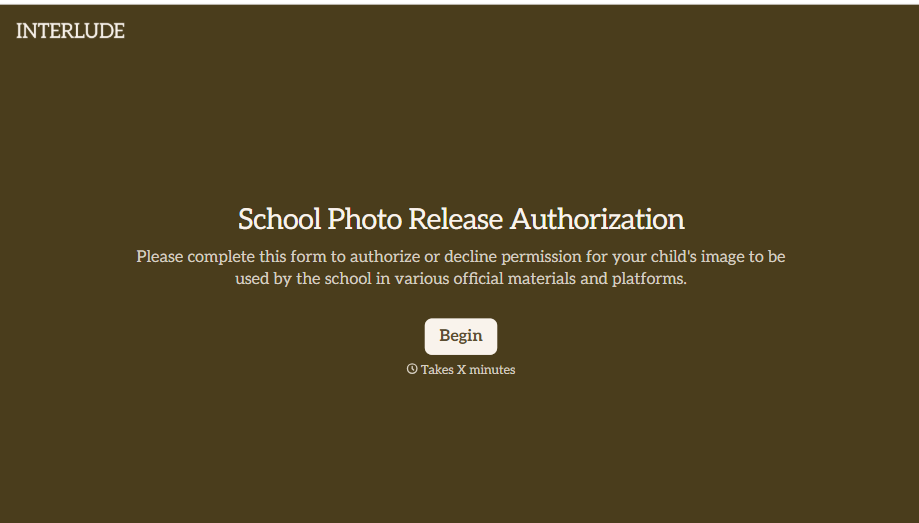
School Photo Release Form
A photo consent checkbox buried on page 12 of an enrollment packet doesn't tell a teacher who's actually opted out before they post a class photo. Collect what your school actually needs, guardian consent, and exactly where a photo can be used, before the camera comes out.
View template
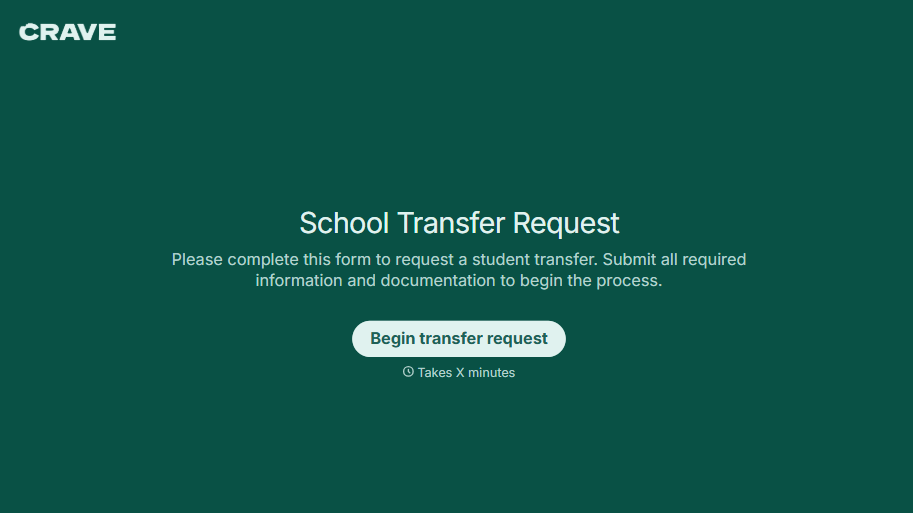
School Transfer Request Form
A transfer request dropped off at the district office isn't the kind of paperwork that gets processed before the semester it's meant for already started. Collect the student's information, reason for transfer, and supporting documentation upfront, so a request doesn't stall while the district follows up for a missing form.
View template
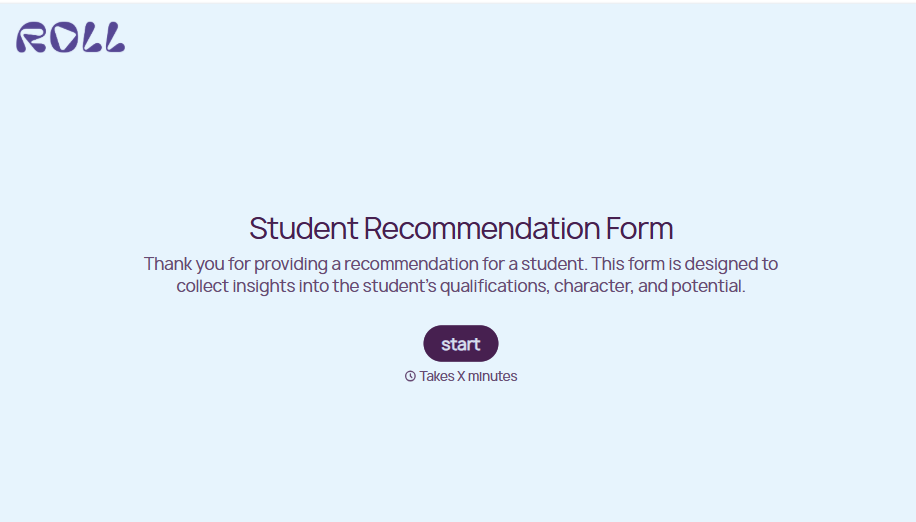
Student Recommendation Form
An email asking "can you write me a letter of recommendation" with no deadline attached isn't enough for a teacher to actually sit down and write one. Collect the program details, deadline, and what the student wants highlighted before the request lands in an inbox, so a letter doesn't get written in a rush the night it's due.
View template
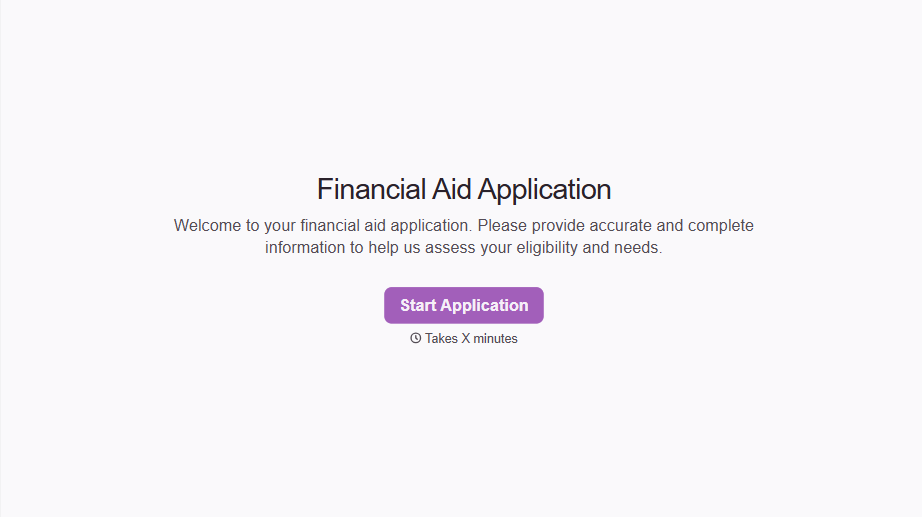
Financial Aid Application Form
A request for help with tuition mentioned to the front office in passing doesn't give your financial aid team anything to actually evaluate. Collect what your school actually needs, household information, income documentation, and need, before the deadline passes.
View template

Girl Scout Product Permission Form
A permission slip signed at a troop meeting while five other things are happening, snack time, a badge ceremony, a parent already halfway out the door, isn't informed consent, it's a signature. Get the money-handling responsibility, the supervision rules, and the online sales guidelines actually read and agreed to before a single box leaves the garage.
View template

College Scholarship Application Form
An application submitted as a PDF from one student and a Google Doc link from another isn't a fair comparison, it's whichever format the committee finds easiest to skim that week. Put every applicant through the same form, and the decision comes down to what they actually wrote, not how they happened to turn it in.
View template
With Typeform, you can customize everything
Change text, colors, and even logos to match the look and feel of your brand. Then embed forms smoothly onto web and email.
Make forms feel effortless to fill out. Pace questions, call people by their name, and adapt the flow based on the data they share.
Stay efficient by connecting forms to your workflow. Typeform integrates with 300+ tools including Slack, Zapier, and HubSpot.