Indemnity Waiver Form Template
Shift the risk with a document people can actually understand.



An indemnity waiver asks someone to accept financial responsibility for potential losses. That's a significant ask. When the document itself is impenetrable legal jargon, people either refuse to sign or sign without understanding what they've agreed to. Neither outcome is good. The first blocks your business. The second creates enforceability problems if the waiver is ever tested in court.
This indemnity waiver form template presents complex legal terms in a structured, plain-language format. Typeform's one-question-at-a-time design breaks the waiver into individual clauses, so the signer understands each provision before moving on. Conditional logic adjusts the form based on the nature of the activity or service. A construction indemnity includes different risk factors than an event venue indemnity.
Add your organization's specific legal terms, collect e-signatures, and store completed waivers securely through integrations. Enforceable protection starts with informed consent.
An indemnity waiver form is a legal agreement in which one party (the indemnitor) agrees to compensate another party (the indemnitee) for specified losses, damages, or liabilities. It's commonly used in business relationships where one party wants protection from claims arising from the other party's actions. Construction projects, event hosting, rental agreements, service contracts, and high-risk activities.
A liability release says "I won't sue you." An indemnity clause says "If someone sues you because of something I did, I'll cover the costs." They often appear together but serve different functions. A liability release protects against claims from the signer themselves, while an indemnity clause protects against third-party claims. For comprehensive protection, many organizations use both in the same document.
- Clear identification of the indemnifying party and the protected party
- A specific description of the activities or services covered
- The scope of indemnification (what types of losses are covered)
- Any limitations or exclusions on the indemnity obligation
- The duration of the indemnity agreement
- Signature fields with date and witness provisions
Enforceability varies by jurisdiction and depends heavily on how the waiver is drafted. Courts generally uphold indemnity agreements when they're written in clear language, signed voluntarily, supported by consideration (something of value exchanged), and not unconscionable. Vague or overly broad indemnity clauses are more likely to be struck down. Always have your waiver reviewed by an attorney licensed in the relevant jurisdiction.
Anytime you're entering a business relationship where the other party's actions could expose you to financial loss or third-party claims. Common scenarios include hiring contractors, allowing third-party vendors at your venue, providing access to your property or equipment, and partnering with other businesses on joint ventures. If the answer to "could their mistake cost me money?" is yes, an indemnity waiver should be part of the conversation.
Get inspired by relevant templates and categories
3200+ Templates, 300+ Integrations
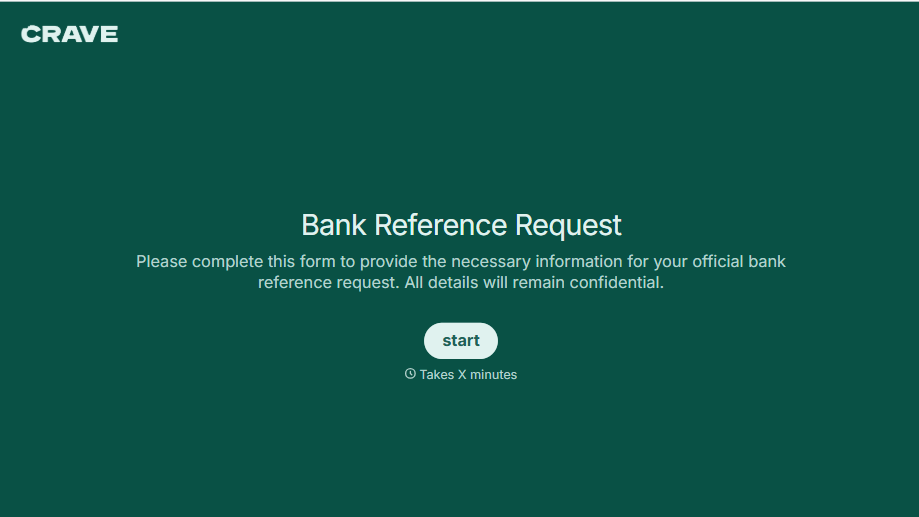
Bank Reference Form
A reference request faxed to a bank branch and left sitting in a queue for weeks isn't the kind of turnaround a landlord or business can wait on. Collect the applicant's signed authorization and the specific details you need confirmed before the request even reaches the bank, so a decision isn't stuck behind a letter that hasn't come back yet.
View template
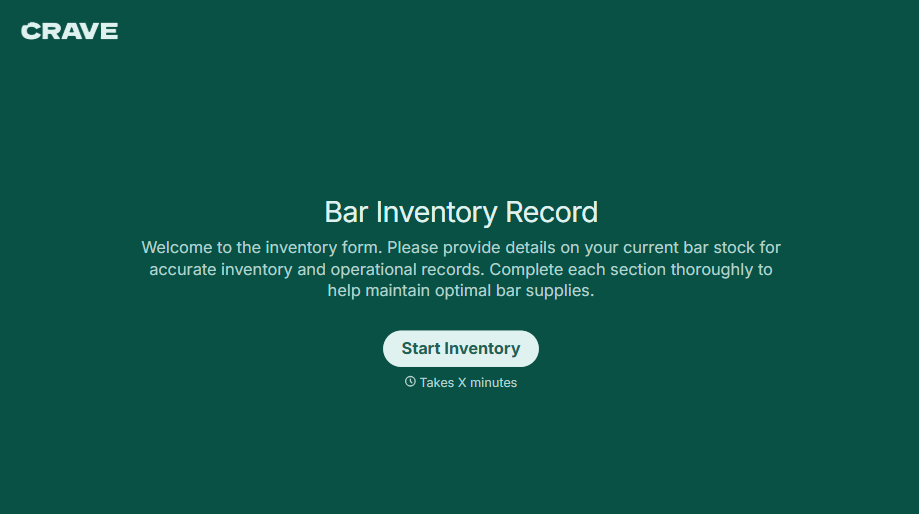
Bar Inventory Form
A bottle count eyeballed at the end of a shift and scrawled on a paper sheet doesn't hold up against a pour cost report that says something doesn't add up. Collect what your bar actually needs, item, count, and variance, on a schedule you can actually compare week to week.
View template
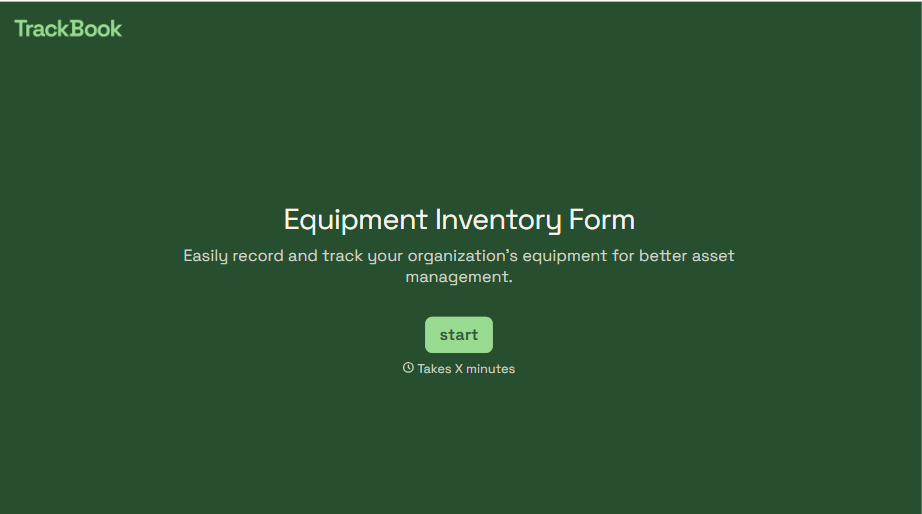
Equipment Inventory Form
Equipment that leaves a storage room in someone's arms, with no note about where it went, doesn't show up again until someone needs it and can't find it. Collect what your team actually needs, item details, condition, and who's got it, every time something moves.
View template
Nationality Verification Form
A self-certification buried in a stack of new account paperwork isn't the kind of record a compliance team can rely on for a regulatory filing. Collect nationality, tax residency, and a signed declaration before an account opens, so compliance isn't chasing down a customer's citizenship status after the fact.
View template
Maintenance Agreement Form
A maintenance plan agreed to over the phone isn't a contract your service team can actually work from, especially when nobody's sure whether the twice-a-year tune-up was part of the deal. Collect the equipment covered, service frequency, and a signed agreement before the first visit, so your team isn't guessing at scope once they're on-site.
View template
With Typeform, you can customize everything
Change text, colors, and even logos to match the look and feel of your brand. Then embed forms smoothly onto web and email.
Make forms feel effortless to fill out. Pace questions, call people by their name, and adapt the flow based on the data they share.
Stay efficient by connecting forms to your workflow. Typeform integrates with 300+ tools including Slack, Zapier, and HubSpot.