HIPAA Authorization Form Template
Protect patient privacy without burying everyone in paperwork.



HIPAA compliance isn't optional, and neither is making it understandable. Patients need to authorize the release of their protected health information, but most authorization forms read like regulatory footnotes stapled together. The result? Confused patients, incomplete forms, and compliance risks that keep your legal team up at night.
This HIPAA authorization form template translates regulatory requirements into clear, conversational language while maintaining full legal compliance. Typeform's one-question-at-a-time format walks patients through each element of the authorization without overwhelming them. Conditional logic shows relevant sections based on the type of information being released, so mental health records trigger different disclosures than general medical records.
Customize the form to match your organization's specific needs, add the required legal language your compliance team requires, and store submissions securely through encrypted integrations. Patients understand what they're signing, and your team gets complete, compliant authorizations.
A HIPAA authorization form is a legal document that gives a healthcare provider, insurer, or other covered entity permission to use or disclose a patient's protected health information (PHI) to a specified party for a specified purpose. It's required under the Health Insurance Portability and Accountability Act whenever PHI is shared for reasons beyond treatment, payment, or healthcare operations.
HIPAA authorizations have specific elements that general consent forms don't cover. Federal law requires the form to identify the specific information being disclosed, who's receiving it, the purpose, an expiration date, and the patient's right to revoke. Missing any of these elements can invalidate the authorization and put your organization at risk of HIPAA violations, which carry penalties up to $50,000 per incident.
- Patient's full name, date of birth, and identification number
- A specific description of the health information to be disclosed
- The names of the parties authorized to receive and disclose the information
- The purpose of the disclosure
- An expiration date or event
- A signature line with a statement about the right to revoke authorization
Patients have the right to revoke authorization at any time, and the form must inform them of this right. However, revocation only applies going forward. It doesn't undo disclosures that were made while the authorization was active. Once you receive a written revocation, you must stop sharing the specified information immediately. Document the revocation date and notify all relevant parties who were receiving the data.
Yes. The HIPAA Privacy Rule doesn't mandate paper forms. Electronic signatures are valid under HIPAA as long as the signing process verifies the patient's identity and creates a tamper-evident record. Typeform's digital workflow handles this when paired with an e-signature integration. The key is maintaining an audit trail that proves the patient signed the form and received a copy.
Get inspired by relevant templates and categories
3200+ Templates, 300+ Integrations
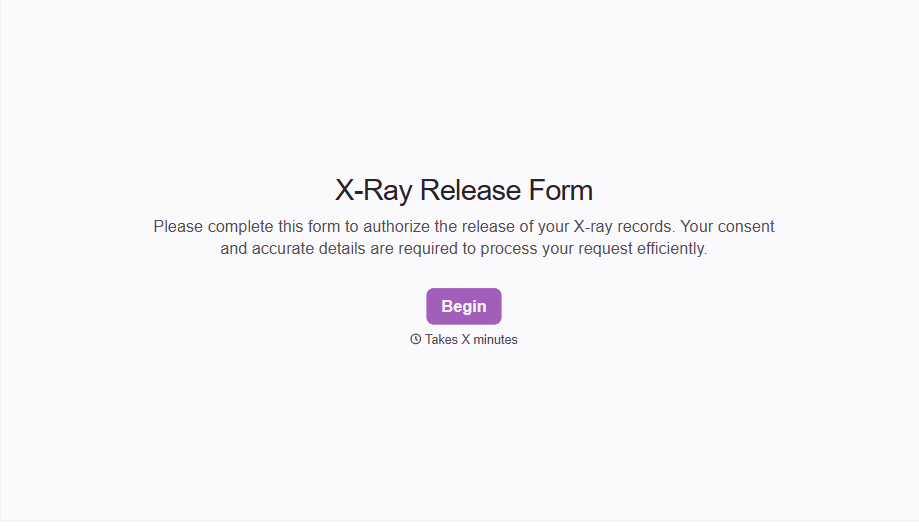
X-Ray Release Form
A phone call asking to send X-rays to a new provider isn't an authorization your compliance file can rely on. Collect patient information, the receiving provider's details, and a signed authorization before the images go out, so your front desk isn't scrambling to prove who approved a release.
View template
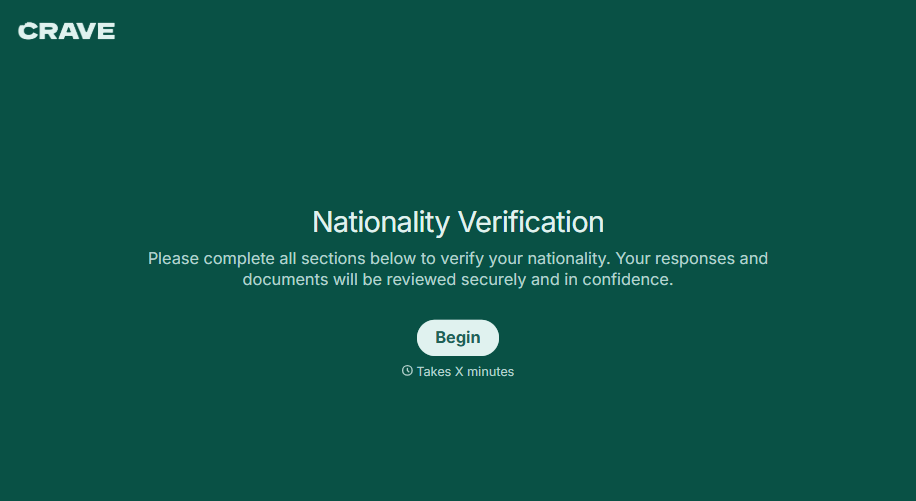
Nationality Verification Form
A self-certification buried in a stack of new account paperwork isn't the kind of record a compliance team can rely on for a regulatory filing. Collect nationality, tax residency, and a signed declaration before an account opens, so compliance isn't chasing down a customer's citizenship status after the fact.
View template
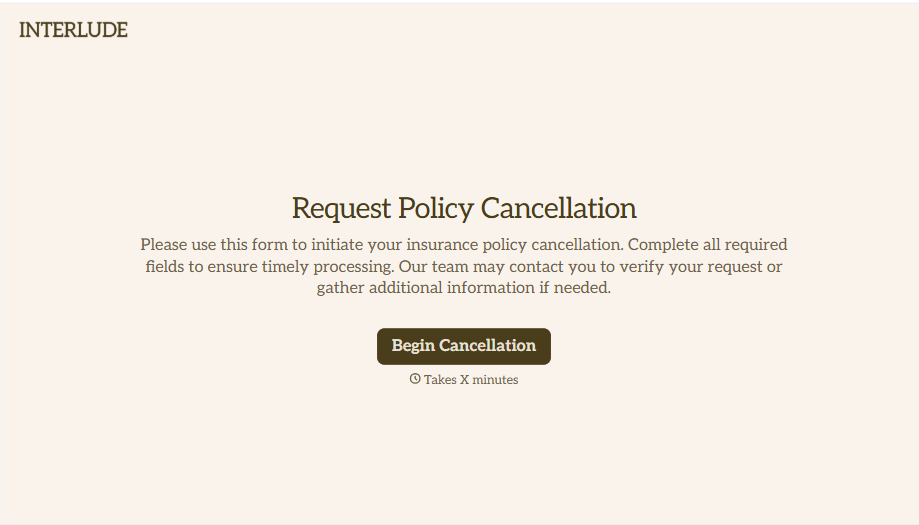
Policy Cancellation Form
A cancellation requested over the phone doesn't leave a clear record of exactly what date the policyholder actually asked for, and that date matters more than it sounds like it should. Collect what your agency actually needs, policy details, identity verification, and the requested effective date, before coverage actually ends.
View template
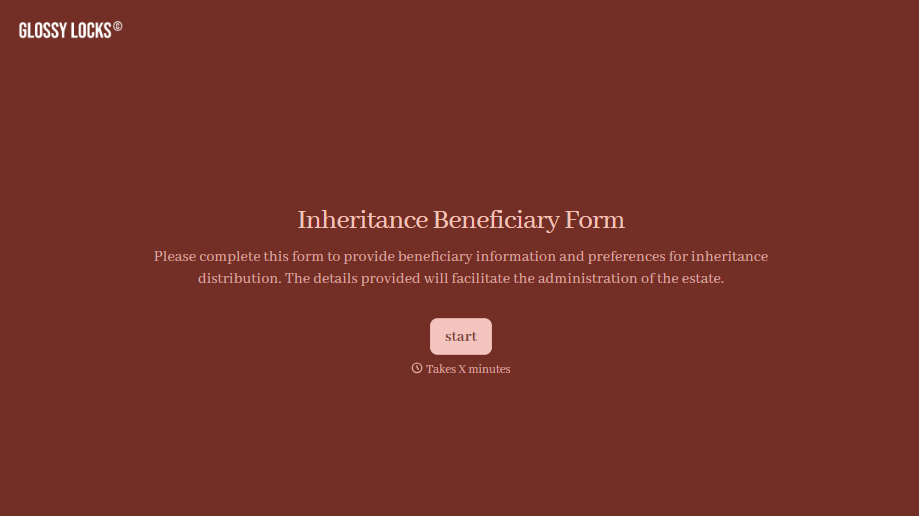
Inheritance Beneficiary Form
Asking a grieving family member for the same banking details across three different phone calls doesn't make settling an estate go any faster. Collect what your firm actually needs, beneficiary information, identification, and distribution details, in one submission instead of three calls.
View template
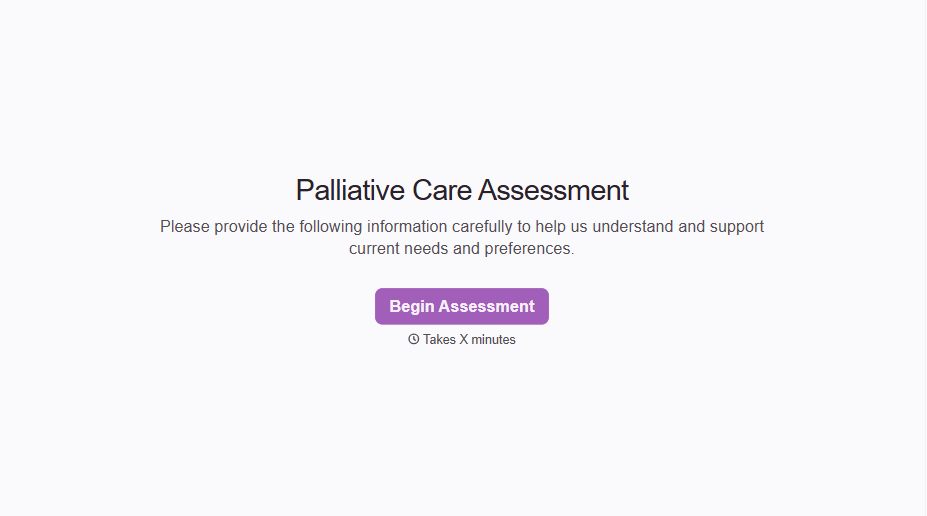
Palliative Care Assessment Form
A symptom check done verbally during a rushed home visit isn't the kind of record that shows whether pain management is actually working from one visit to the next. Collect symptom severity, functional status, and psychosocial needs consistently, so a care team can see change over time instead of relying on memory of the last visit.
View template
With Typeform, you can customize everything
Change text, colors, and even logos to match the look and feel of your brand. Then embed forms smoothly onto web and email.
Make forms feel effortless to fill out. Pace questions, call people by their name, and adapt the flow based on the data they share.
Stay efficient by connecting forms to your workflow. Typeform integrates with 300+ tools including Slack, Zapier, and HubSpot.