Feature Request Form
Collect structured feature requests from users and your team, so product decisions start from real, comparable input.



Product teams that collect feature requests through Slack or email have no consistent way to compare or prioritize them. A one-line Slack message and a critical workflow gap carry the same apparent weight in an unstructured inbox. Typeform's feature request form gives product teams a consistent way to collect structured input from users and stakeholders.
The form captures the requester's role, the problem to solve, the proposed feature, estimated impact, and urgency. Each field appears on its own, so submitters describe their feature needs fully before moving to the next question. Conditional logic adapts the questions based on the feature type and the submitter's role or product area. An internal stakeholder requesting a workflow improvement sees different questions than a customer requesting a new product capability.
Customize it with your product name, feature categories, and the fields your team needs to evaluate a request. Share it with customers via your product portal or email, and use it internally for engineering and design requests. Every request routes to your product team via Zapier, so your team organizes submissions without sorting through multiple channels. A backlog built from structured requests reflects what users actually need, not what was loudest in the last team meeting.
A feature request form collects structured input from users and internal teams about product improvements they need. It captures the requester's role, the problem they're solving, the feature they're proposing, and the expected business impact. Use it to replace informal feature requests with structured submissions your product team can compare, score, and prioritize.
Feature requests that arrive as Slack messages, emails, or support tickets are impossible to compare or prioritize systematically. Without structure, teams prioritize the loudest or most recent request over the one with the greatest user impact. A structured form ensures every request contains the same information, so your team evaluates each one consistently. Use it for SaaS products, internal tools, mobile apps, and any team managing feature input from multiple stakeholders.
Cover both the problem and the proposed solution:
- Requester name, role, and team or company
- The problem or workflow gap they're experiencing
- The feature or improvement they're proposing
- Expected business impact or the users it would affect
- Priority or urgency level
Use Typeform's Rating question to let submitters score the urgency and business impact of their request. Quantified ratings give your product team comparable data across all submissions, making prioritization faster and easier to justify. Pair rating scores with open-ended fields so your team understands not just how urgent a request is but why.
Use Zapier to send each submission to your project management tool, so requests appear in your backlog automatically. Connecting to tools like Jira, Asana, or Linear means every submission becomes a backlog card without manual entry. Your team reviews requests with full context on file, so backlog grooming starts from structured data rather than scattered notes.
Get inspired by relevant templates and categories
3200+ Templates, 300+ Integrations
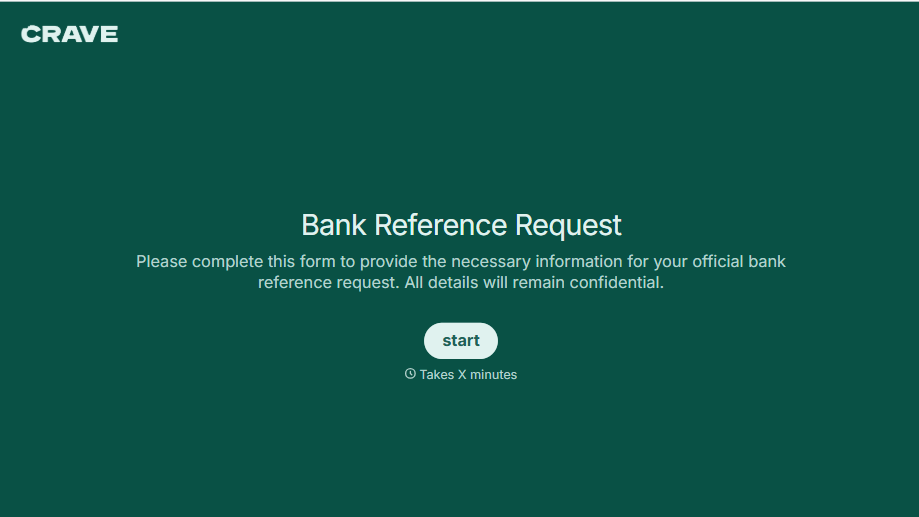
Bank Reference Form
A reference request faxed to a bank branch and left sitting in a queue for weeks isn't the kind of turnaround a landlord or business can wait on. Collect the applicant's signed authorization and the specific details you need confirmed before the request even reaches the bank, so a decision isn't stuck behind a letter that hasn't come back yet.
View template
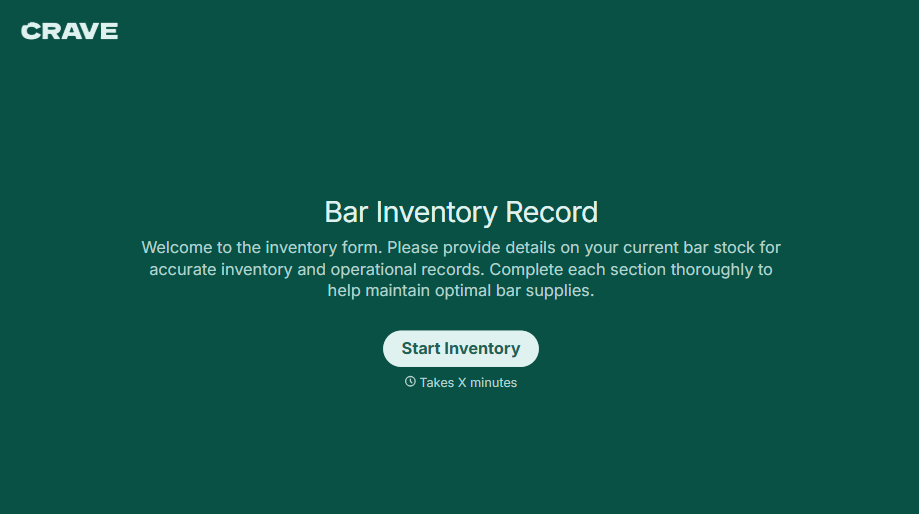
Bar Inventory Form
A bottle count eyeballed at the end of a shift and scrawled on a paper sheet doesn't hold up against a pour cost report that says something doesn't add up. Collect what your bar actually needs, item, count, and variance, on a schedule you can actually compare week to week.
View template
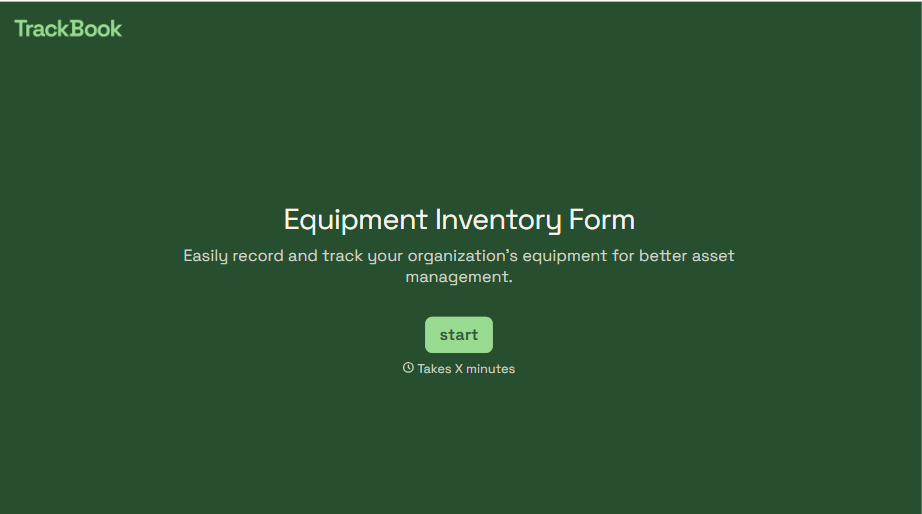
Equipment Inventory Form
Equipment that leaves a storage room in someone's arms, with no note about where it went, doesn't show up again until someone needs it and can't find it. Collect what your team actually needs, item details, condition, and who's got it, every time something moves.
View template
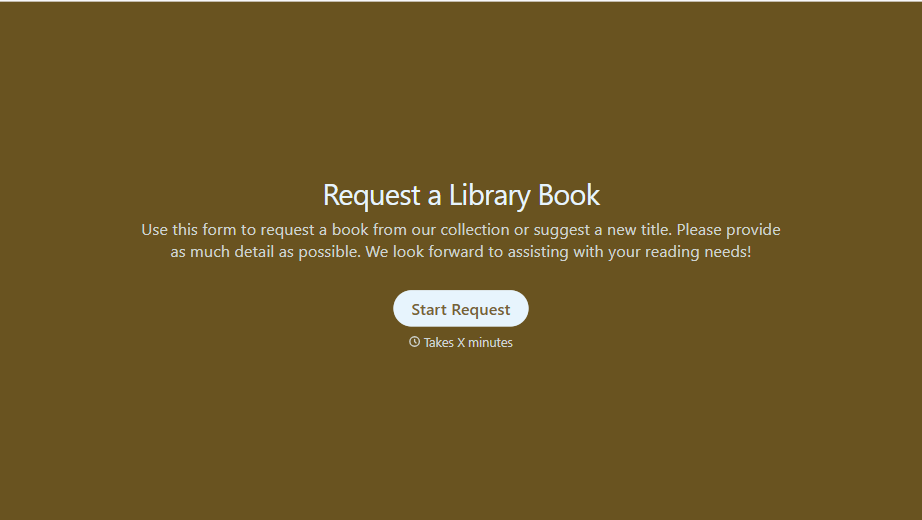
Library Book Request Form
A book request scrawled on a sticky note at the front desk doesn't make it into any queue, and it definitely doesn't get anyone a call when the book actually arrives. Collect what your library actually needs, the title, patron information, and how they'd like to be notified, before the note gets buried under the next stack of returns.
View template
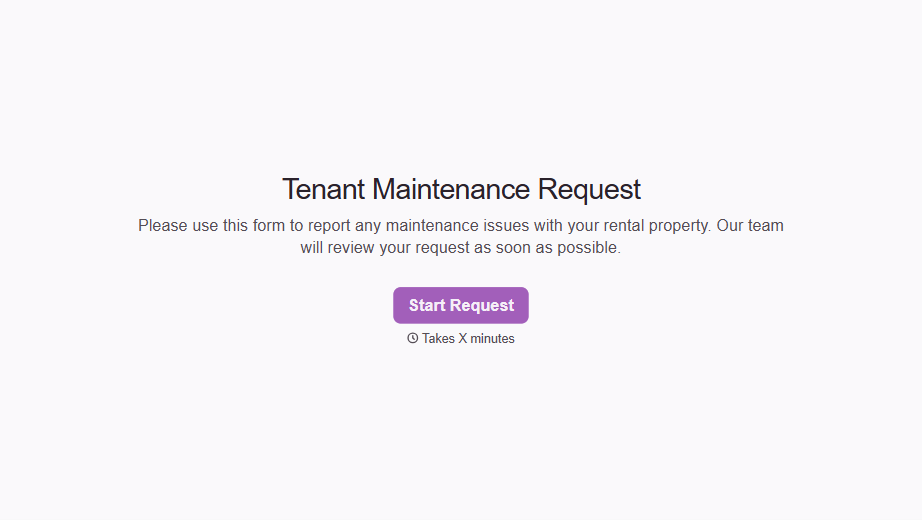
Tenant Repair Request Form
A text message about a leaky faucet sent at 11pm isn't a work order your maintenance team can act on efficiently, especially without a photo or a unit number attached. Collect the property, the issue, and how urgent it is before the request lands in someone's texts, so a repair doesn't wait on a landlord scrolling back through old messages.
View template
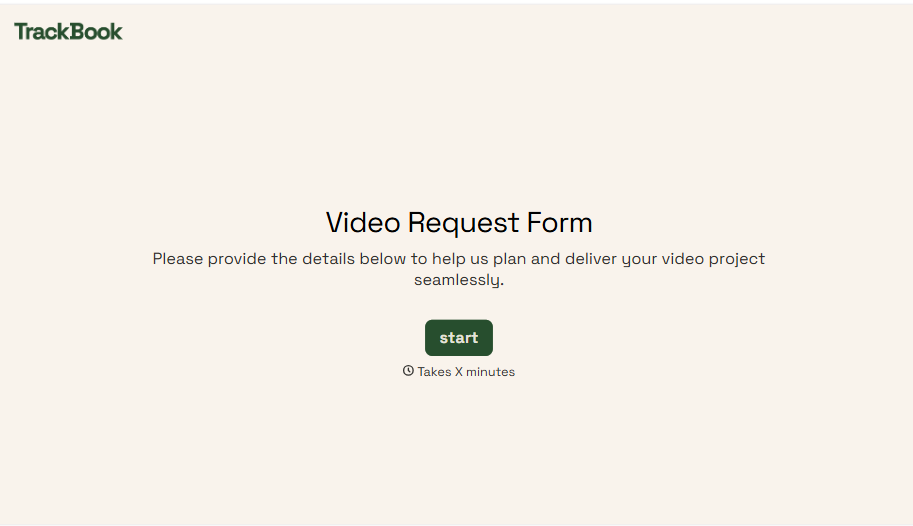
Video Request Form
A Slack message asking for "a quick video for the launch" isn't a creative brief your video team can actually start from. Collect the project purpose, deadline, and deliverable specs before the request lands in a queue, so your team isn't reworking a video built on assumptions the requester never actually stated.
View template
With Typeform, you can customize everything
Change text, colors, and even logos to match the look and feel of your brand. Then embed forms smoothly onto web and email.
Make forms feel effortless to fill out. Pace questions, call people by their name, and adapt the flow based on the data they share.
Stay efficient by connecting forms to your workflow. Typeform integrates with 300+ tools including Slack, Zapier, and HubSpot.