Disability assessment form
Standardize how you collect functional history, support needs, and daily living details from every assessment, so your team starts each case with a complete picture.



Disability assessments conducted through paper forms or unstructured interviews often produce inconsistent records that vary by assessor. Inconsistent assessments make it harder to determine appropriate support levels and ensure equitable access to services. Typeform's disability assessment form template gives organizations a consistent way to collect complete assessment details from every individual.
The form captures personal details, diagnosis, functional limitations, daily living activities, and current support arrangements. Typeform presents one question at a time, so the assessment never feels like an overwhelming clinical checklist. Conditional logic adapts the form based on the individual's disability type and functional profile. Physical disability assessments include different functional questions than cognitive or sensory ones, keeping every section relevant to the individual.
Customize the assessment fields to match your organization's eligibility criteria, support categories, and reporting requirements. Share it via email, embed it on your client portal, or send it as a direct link before the appointment. Every submission logs automatically in Airtable or Google Sheets via Zapier, so assessment records stay organized and accessible. Start every case review with a complete functional profile, not an incomplete intake that requires a second appointment.
A disability assessment form is a structured digital form that collects the functional, medical, and daily living information an organization needs to evaluate an individual's support needs and eligibility for services or accommodations. It gathers personal details, diagnosis, functional limitations, current support arrangements, and goals in a single submission. It functions as the standardized baseline record that informs every support plan, accommodation decision, or service referral your team makes.
Disability support decisions made without complete functional information put individuals at risk of receiving the wrong level of care. Assessments collected through unstructured conversations or inconsistent paper forms are difficult to compare, audit, or use as a baseline for tracking progress. A structured digital form gives every individual the same thorough assessment pathway, so your team makes informed decisions backed by complete data. Use it for workplace accommodation requests, social service eligibility assessments, care planning, and rehabilitation intake.
A complete disability assessment form covers:
- Full name, date of birth, and contact details
- Primary diagnosis and any secondary conditions
- Physical, cognitive, sensory, or communication limitations
- Daily living activities and level of independence
- Current support arrangements and assistive devices in use
- Goals and priorities for support or accommodation
- Consent for information sharing and electronic signature
Set up conditional logic to branch the form by disability type so each individual only answers relevant assessment questions. Someone with a physical disability sees questions about mobility, assistive devices, and home modifications, while someone with a cognitive disability answers questions about daily routine support, communication preferences, and memory aids. This keeps the assessment thorough without asking every individual to answer questions unrelated to their functional profile.
Yes, the file upload feature lets individuals or their healthcare providers attach supporting documentation directly to the form. They can submit medical reports, specialist assessments, or diagnostic letters as PDFs or JPGs, up to 10MB per file. Documents arrive alongside each submission, and file upload is available on paid Typeform plans.
Get inspired by relevant templates and categories
3200+ Templates, 300+ Integrations
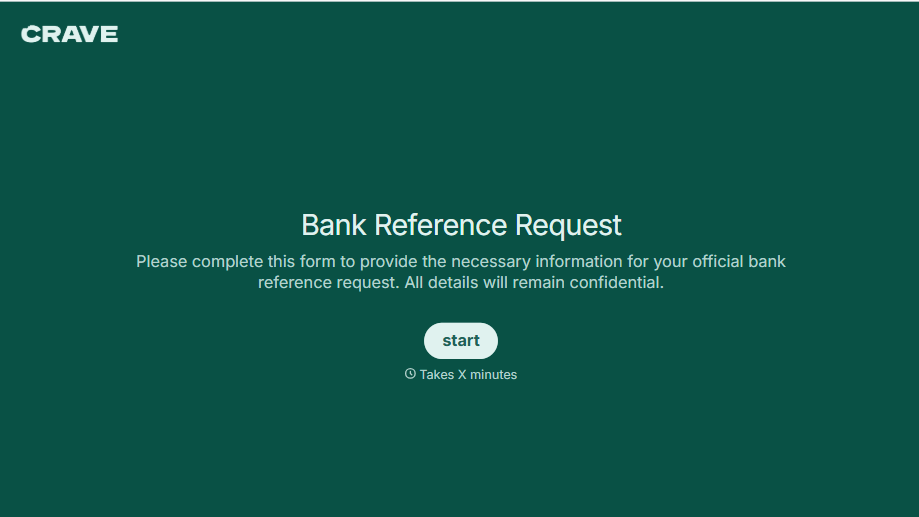
Bank Reference Form
A reference request faxed to a bank branch and left sitting in a queue for weeks isn't the kind of turnaround a landlord or business can wait on. Collect the applicant's signed authorization and the specific details you need confirmed before the request even reaches the bank, so a decision isn't stuck behind a letter that hasn't come back yet.
View template
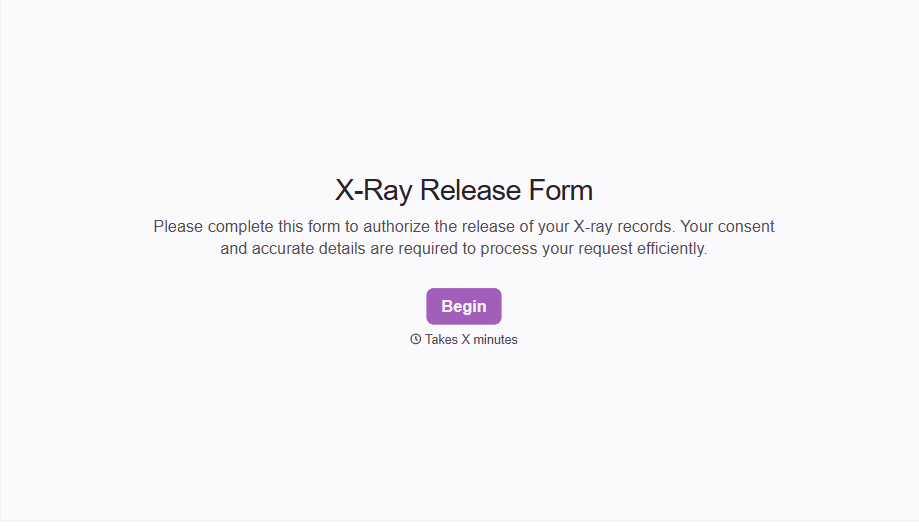
X-Ray Release Form
A phone call asking to send X-rays to a new provider isn't an authorization your compliance file can rely on. Collect patient information, the receiving provider's details, and a signed authorization before the images go out, so your front desk isn't scrambling to prove who approved a release.
View template
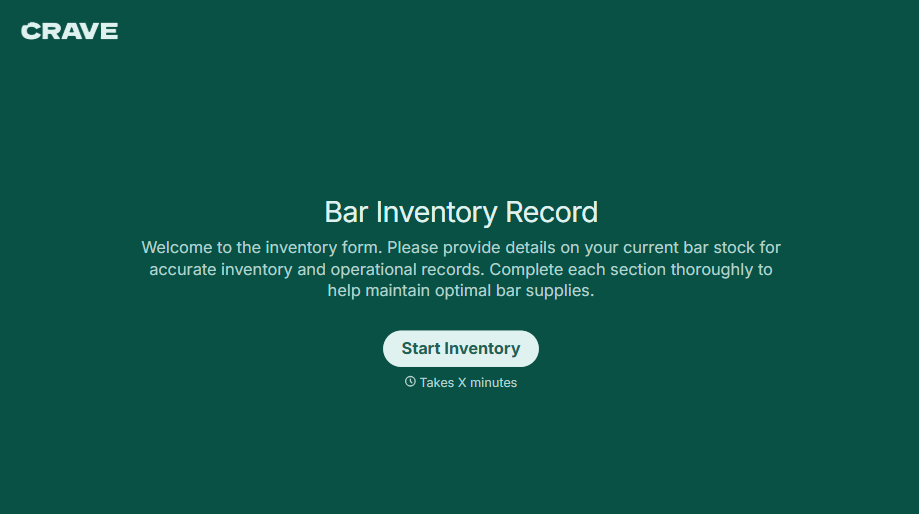
Bar Inventory Form
A bottle count eyeballed at the end of a shift and scrawled on a paper sheet doesn't hold up against a pour cost report that says something doesn't add up. Collect what your bar actually needs, item, count, and variance, on a schedule you can actually compare week to week.
View template
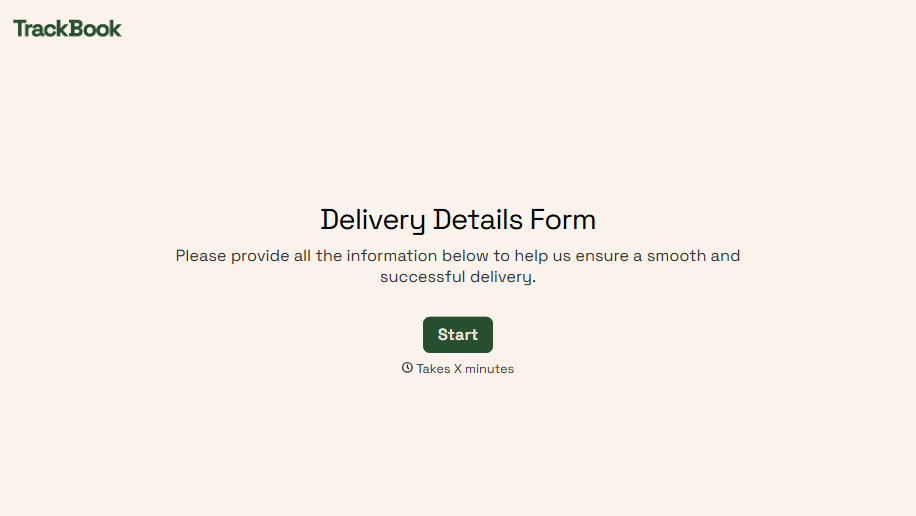
Equipment Inventory Form
Equipment that leaves a storage room in someone's arms, with no note about where it went, doesn't show up again until someone needs it and can't find it. Collect what your team actually needs, item details, condition, and who's got it, every time something moves.
View template
Nationality Verification Form
A self-certification buried in a stack of new account paperwork isn't the kind of record a compliance team can rely on for a regulatory filing. Collect nationality, tax residency, and a signed declaration before an account opens, so compliance isn't chasing down a customer's citizenship status after the fact.
View template
With Typeform, you can customize everything
Change text, colors, and even logos to match the look and feel of your brand. Then embed forms smoothly onto web and email.
Make forms feel effortless to fill out. Pace questions, call people by their name, and adapt the flow based on the data they share.
Stay efficient by connecting forms to your workflow. Typeform integrates with 300+ tools including Slack, Zapier, and HubSpot.