Deviation Request Form
Document every contract deviation the moment it arises, so both parties are aligned before anything changes.



Businesses often handle contract changes over email, where details easily get lost in threads and approval goes unconfirmed. When a dispute arises, both parties recall the contract differently. Typeform's deviation request form gives businesses a defined process to request, document, and track contract modifications from a single submission.
The form captures requester details, contract reference, the original specification, the proposed deviation, the business justification, and any financial implications. Questions appear one at a time, so the requester covers every required field without losing track of what the deviation involves. Conditional logic adapts the form based on the type of contract being modified. A rental agreement deviation sees different fields than a purchase contract modification, keeping each request relevant to the terms being changed.
Customize the form with your contract types, deviation categories, and any approval fields your review process requires. Share it as a direct link, include it in your contract management workflow, or send it to the requesting party as soon as a change is raised. Every submission routes to Google Sheets or Airtable via Zapier, so your team tracks each request through review and approval in one place. Both parties have a documented record of every contract change, so disputes never come down to one’s memory.
A deviation request form documents a formal request to change a specification or term in an existing contract. It captures the requester's details, the contract reference, the original specification, the proposed change, and the business justification for the deviation. It functions as the official record both parties use to review, approve, and track every contract modification.
Verbal or email-based change requests create conflicting records that surface as disputes once a project is underway. When a deviation isn't formally documented, the original agreement becomes the only reference point and both parties can interpret it differently. A structured form ensures every deviation request arrives with the full context your team needs to evaluate and approve the change. Use it for product specification changes, rental agreement modifications, purchase contract amendments, delivery schedule deviations, and supplier compliance exceptions.
Cover the details both parties need to review and approve the change:
- Requester name, company, and contact details
- Contract reference number and original specification
- Proposed deviation and reason for the change
- Impact on delivery timeline, quality, or scope
- Supporting documentation or evidence
- Financial implications and payment details (if applicable)
Yes. Typeform integrates with Stripe to collect payment information directly in the form when a contract deviation carries a fee. If the requesting party is responsible for a change cost, the form prompts for payment details before the submission is complete. Alternatively, collect the deviation details now and send a payment request once the change is reviewed and priced.
Yes. Typeform's File Upload field lets requesters attach the original contract, amended specifications, technical drawings, or supporting documents directly in the submission. Accepted file types include PDF, DOC, and DOCX, with a 10MB limit per file. Documents arrive alongside the deviation details, so your team reviews the full context before approving or rejecting the change. File Upload is available on paid Typeform plans.
Get inspired by relevant templates and categories
3200+ Templates, 300+ Integrations
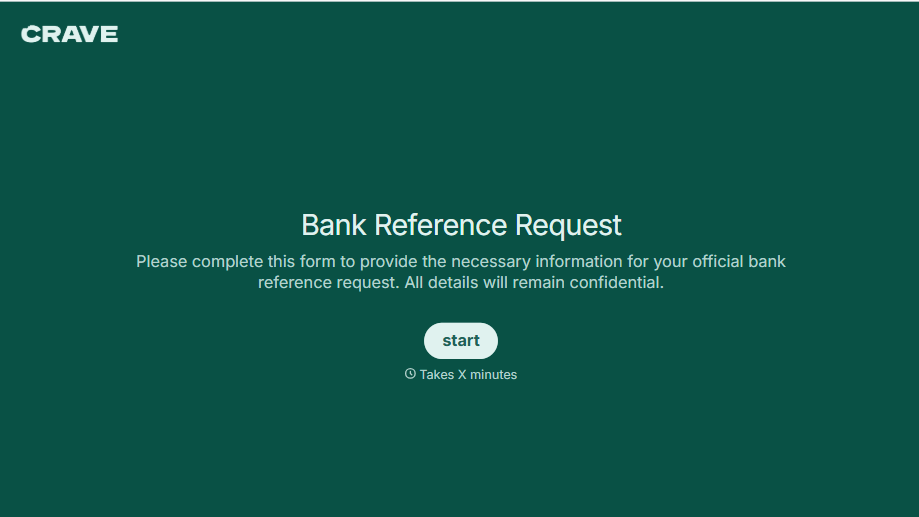
Bank Reference Form
A reference request faxed to a bank branch and left sitting in a queue for weeks isn't the kind of turnaround a landlord or business can wait on. Collect the applicant's signed authorization and the specific details you need confirmed before the request even reaches the bank, so a decision isn't stuck behind a letter that hasn't come back yet.
View template
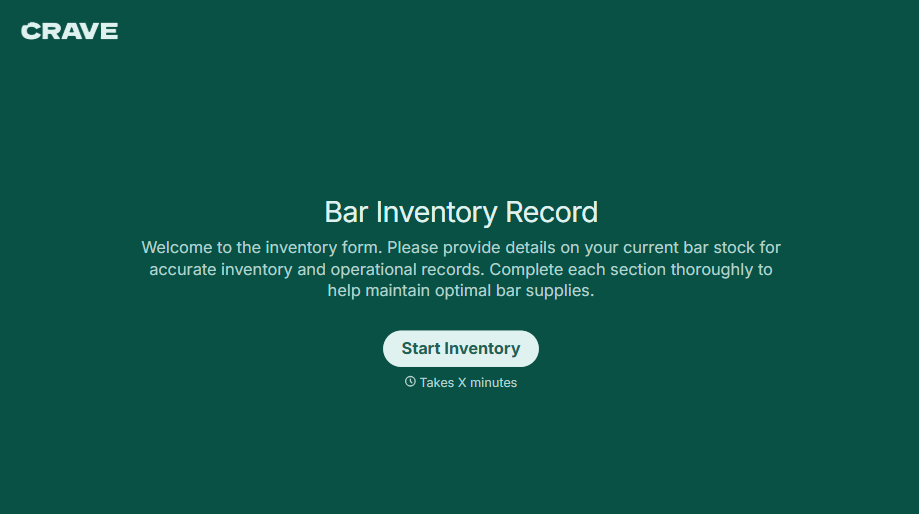
Bar Inventory Form
A bottle count eyeballed at the end of a shift and scrawled on a paper sheet doesn't hold up against a pour cost report that says something doesn't add up. Collect what your bar actually needs, item, count, and variance, on a schedule you can actually compare week to week.
View template
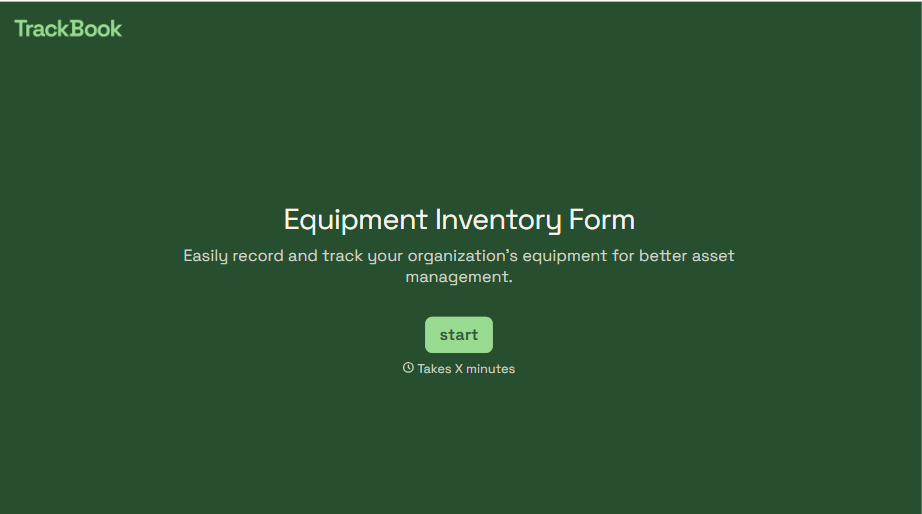
Equipment Inventory Form
Equipment that leaves a storage room in someone's arms, with no note about where it went, doesn't show up again until someone needs it and can't find it. Collect what your team actually needs, item details, condition, and who's got it, every time something moves.
View template
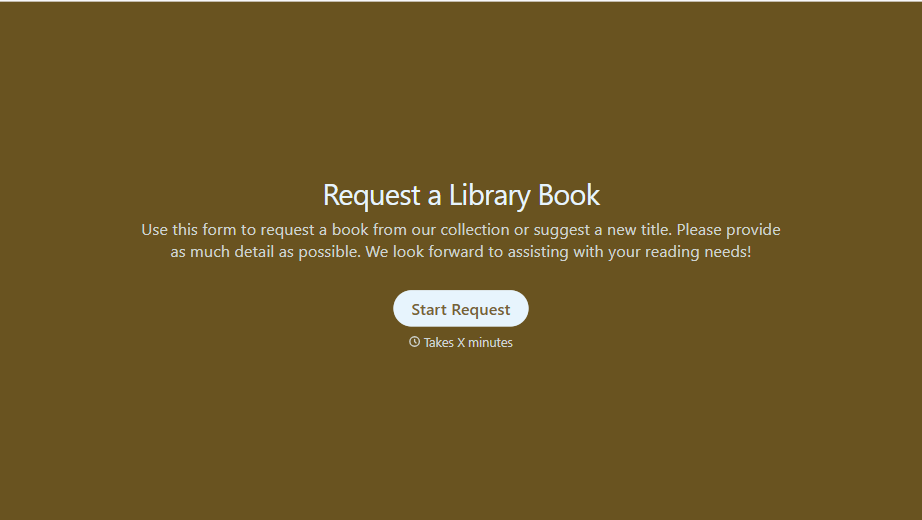
Library Book Request Form
A book request scrawled on a sticky note at the front desk doesn't make it into any queue, and it definitely doesn't get anyone a call when the book actually arrives. Collect what your library actually needs, the title, patron information, and how they'd like to be notified, before the note gets buried under the next stack of returns.
View template
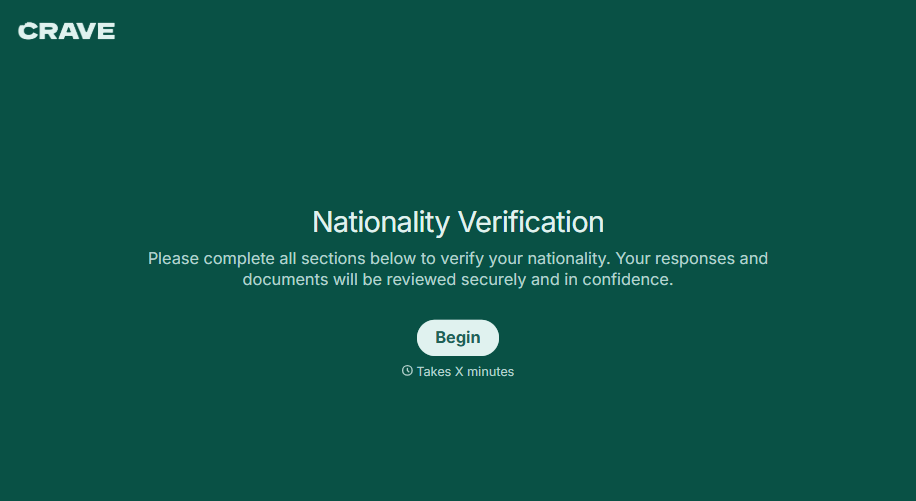
Nationality Verification Form
A self-certification buried in a stack of new account paperwork isn't the kind of record a compliance team can rely on for a regulatory filing. Collect nationality, tax residency, and a signed declaration before an account opens, so compliance isn't chasing down a customer's citizenship status after the fact.
View template
With Typeform, you can customize everything
Change text, colors, and even logos to match the look and feel of your brand. Then embed forms smoothly onto web and email.
Make forms feel effortless to fill out. Pace questions, call people by their name, and adapt the flow based on the data they share.
Stay efficient by connecting forms to your workflow. Typeform integrates with 300+ tools including Slack, Zapier, and HubSpot.