Counseling Intake Form Template
Gather the background information you need before a client's first session. This template helps counselors prepare thoroughly while giving clients a comfortable way to share sensitive information.



First sessions are most productive when the counselor already has context. When clients have to spend the first 20 minutes of a billable session recounting their history from scratch, you're both losing time that could be spent doing actual work. Paper intake forms help, but they get lost, are hard to read, and don't adapt to what clients disclose.
A digital intake form creates a better experience on both sides. Clients can complete it at home, at their own pace, without feeling watched. Typeform's one-question-at-a-time format is less overwhelming than a multi-page paper form for sensitive topics. Conditional logic allows the form to probe deeper when a client indicates something significant — a history of trauma, for example, prompts follow-up that a general wellness client doesn't need.
Customize the questions to your therapeutic approach and the populations you serve, and arrive at every first session better prepared.
A counseling intake form is a clinical intake tool completed by new clients before their first therapy or counseling session. It collects background information including presenting concerns, relevant history, current functioning, and treatment preferences. It helps the counselor prepare for the initial session and informs the treatment planning process.
It makes the therapeutic relationship more efficient from the start. When a counselor reviews intake information before the session, they can ask more informed questions and get to the heart of the client's concerns faster. It also gives clients time to reflect on what they want to share, which often produces more thoughtful responses than on-the-spot verbal answers.
A thorough counseling intake balances clinical information with accessibility. Consider including:
- Client name, date of birth, and contact information
- Reason for seeking counseling and primary concerns
- Relevant history (mental health treatment, significant life events)
- Current symptoms and their duration
- Current medications and prescribing provider
- Substance use history
- Family history of mental health conditions
- Social support and current life circumstances
- Goals for counseling
- Any topics the client wants to avoid or approach carefully
Include a prominent statement at the top of the form directing clients in immediate crisis to call a crisis line (988 in the US) or emergency services rather than waiting for a callback. Build a conditional branch that, if a client indicates active suicidal ideation or self-harm, immediately surfaces emergency resources and a request to contact the office directly. Review intake forms promptly after submission so you can respond quickly when a crisis is indicated.
Use a HIPAA-compliant platform or ensure your data collection practices comply with applicable privacy laws in your jurisdiction. Limit access to intake data to the treating clinician and authorized administrative staff. Review Typeform's data processing agreement and security documentation to assess compliance with your practice's requirements before deploying to clients.
Get inspired by relevant templates and categories
3200+ Templates, 300+ Integrations
Bank Reference Form
A reference request faxed to a bank branch and left sitting in a queue for weeks isn't the kind of turnaround a landlord or business can wait on. Collect the applicant's signed authorization and the specific details you need confirmed before the request even reaches the bank, so a decision isn't stuck behind a letter that hasn't come back yet.
View template
X-Ray Release Form
A phone call asking to send X-rays to a new provider isn't an authorization your compliance file can rely on. Collect patient information, the receiving provider's details, and a signed authorization before the images go out, so your front desk isn't scrambling to prove who approved a release.
View template
Bar Inventory Form
A bottle count eyeballed at the end of a shift and scrawled on a paper sheet doesn't hold up against a pour cost report that says something doesn't add up. Collect what your bar actually needs, item, count, and variance, on a schedule you can actually compare week to week.
View template
Equipment Inventory Form
Equipment that leaves a storage room in someone's arms, with no note about where it went, doesn't show up again until someone needs it and can't find it. Collect what your team actually needs, item details, condition, and who's got it, every time something moves.
View template
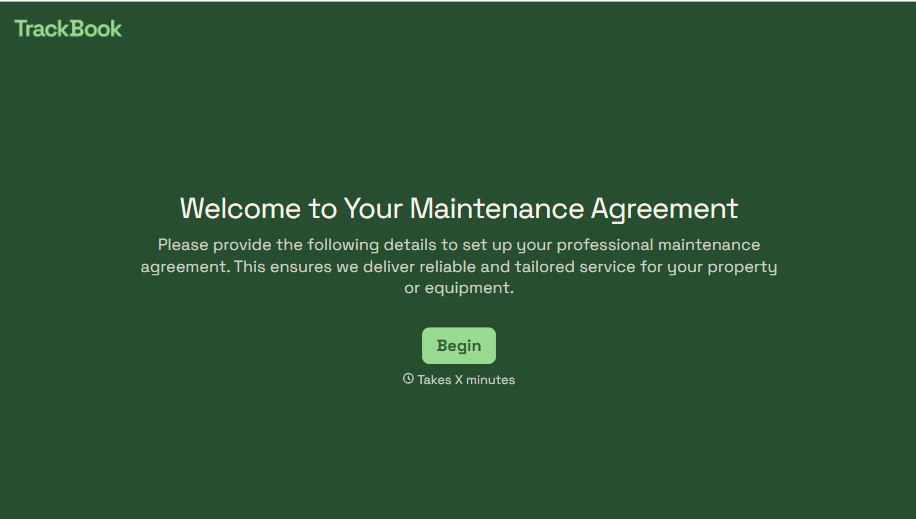
Maintenance Agreement Form
A maintenance plan agreed to over the phone isn't a contract your service team can actually work from, especially when nobody's sure whether the twice-a-year tune-up was part of the deal. Collect the equipment covered, service frequency, and a signed agreement before the first visit, so your team isn't guessing at scope once they're on-site.
View template
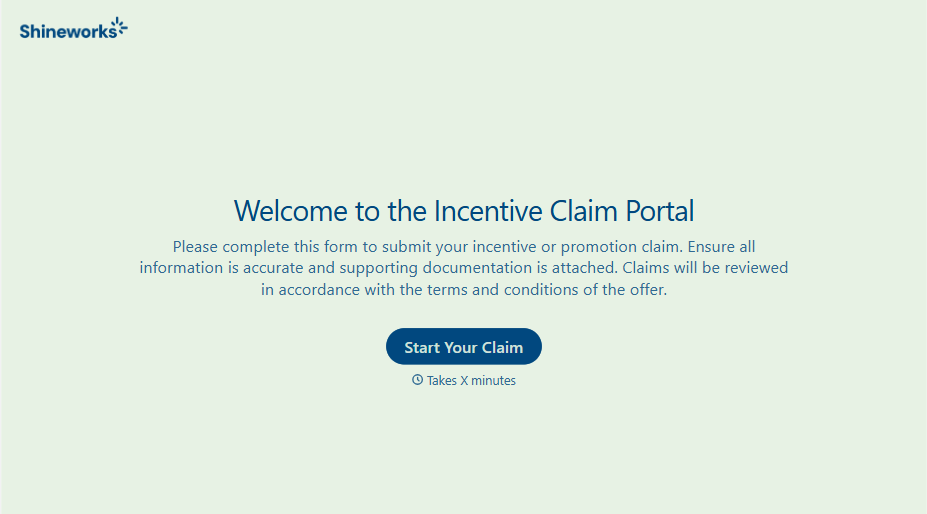
Incentive Claim Form
A rebate claim mailed in with a stapled stack of receipts isn't the kind of paperwork that gets processed quickly, especially when a required serial number turns out to be missing from page three. Collect proof of purchase, product details, and participant information upfront, so a claim doesn't bounce back for a missing document weeks later.
View template
With Typeform, you can customize everything
Change text, colors, and even logos to match the look and feel of your brand. Then embed forms smoothly onto web and email.
Make forms feel effortless to fill out. Pace questions, call people by their name, and adapt the flow based on the data they share.
Stay efficient by connecting forms to your workflow. Typeform integrates with 300+ tools including Slack, Zapier, and HubSpot.