Contract Change Order Form
Capture scope changes, cost adjustments, and authorization details in one form before work continues, so every contract modification is tracked and approved.



When change orders are handled by email, there's no reliable record of what scope changed, what it costs, or who signed off before work continued. Without a documented record, a scope change or cost adjustment can become a disputed claim the moment the final invoice arrives. Typeform's change order template gives contractors a reliable process to document and authorize every scope change before the project continues.
The form captures project details, change description, reason for the modification, revised cost and timeline impact, and authorizing parties. Each question appears on its own, so submitters work through every required detail without skipping a section. Conditional logic adapts the form based on the type of change requested. A cost increase triggers budget and authorization fields, while a timeline extension triggers revised milestones and a scheduling impact note.
Customize the project categories, change type fields, and cost impact sections to match your contract structure and approval workflow. Share it with clients as a direct link or embed it in your project management portal for in-platform submissions. Records log automatically in your project platform via Zapier, so every modification is tracked alongside the original contract scope. Every change order produces a documented record that both parties agree to before the work continues.
A contract change order form documents every amendment to an original contract, capturing the change description, cost impact, and authorization from all parties. Both contractor and client can point to a clear, documented record if scope or billing ever comes into dispute. Contractors who standardize this change documentation process close every project with a complete record of scope changes and appropriate approvals from all stakeholders.
When a billing disagreement surfaces at project close, no one can point to a signed, documented record of the contract or scope change. A structured contract change order form records every scope change and budget adjustment before work proceeds, so billing disputes are settled by the record.
A complete change order covers:
- Project name, contract number, and date of the change request
- Description of the requested scope modification
- Reason for the change (client request, unforeseen conditions, or design revision)
- Revised cost and estimated time impact
- Authorizing signatures from contractor and client
Yes. Typeform's File Upload feature lets submitters attach revised plans, site photos, or updated specifications directly in the form. Accepted file types include PDFs, JPEGs, and PNGs, with a 10 MB limit per file. Documents arrive with the change order, so clients and contractors review the full modification package without separate email attachments. File Upload is available on paid Typeform plans.
Add a change type dropdown field and use conditional logic to surface the right fields for each modification type. A cost increase triggers budget and authorization fields, whereas a timeline extension triggers revised milestones and a scheduling impact note. Each submission captures the right details for a contract change, so all modifications are documented before work continues.
Get inspired by relevant templates and categories
3200+ Templates, 300+ Integrations
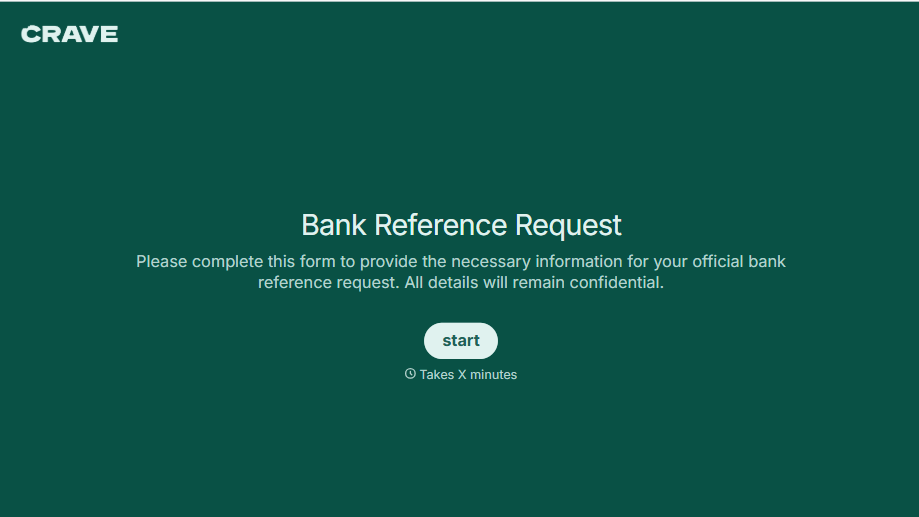
Bank Reference Form
A reference request faxed to a bank branch and left sitting in a queue for weeks isn't the kind of turnaround a landlord or business can wait on. Collect the applicant's signed authorization and the specific details you need confirmed before the request even reaches the bank, so a decision isn't stuck behind a letter that hasn't come back yet.
View template

School Photography Order Form
A paper order form stuffed in a backpack for two weeks isn't an order anyone can act on. Collect student information, package selection, and payment before picture day, so your photographer shows up with an accurate count instead of a stack of crumpled envelopes.
View template
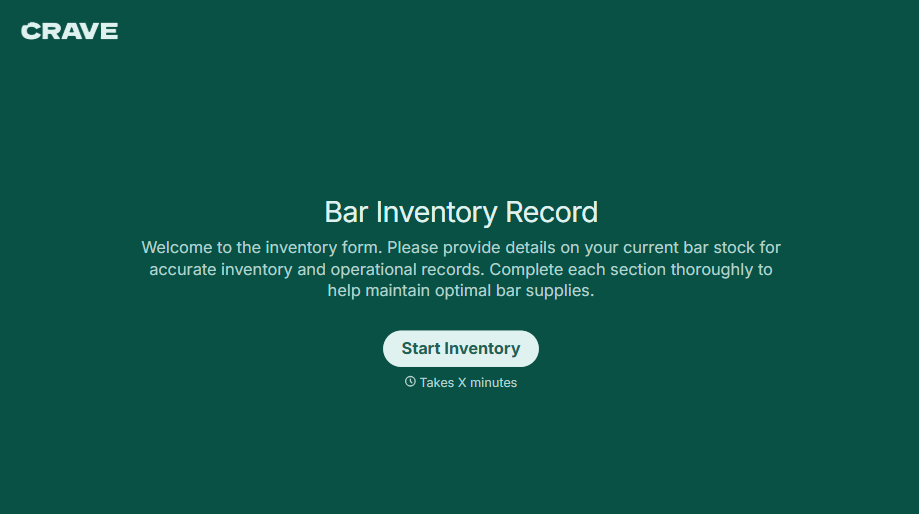
Bar Inventory Form
A bottle count eyeballed at the end of a shift and scrawled on a paper sheet doesn't hold up against a pour cost report that says something doesn't add up. Collect what your bar actually needs, item, count, and variance, on a schedule you can actually compare week to week.
View template
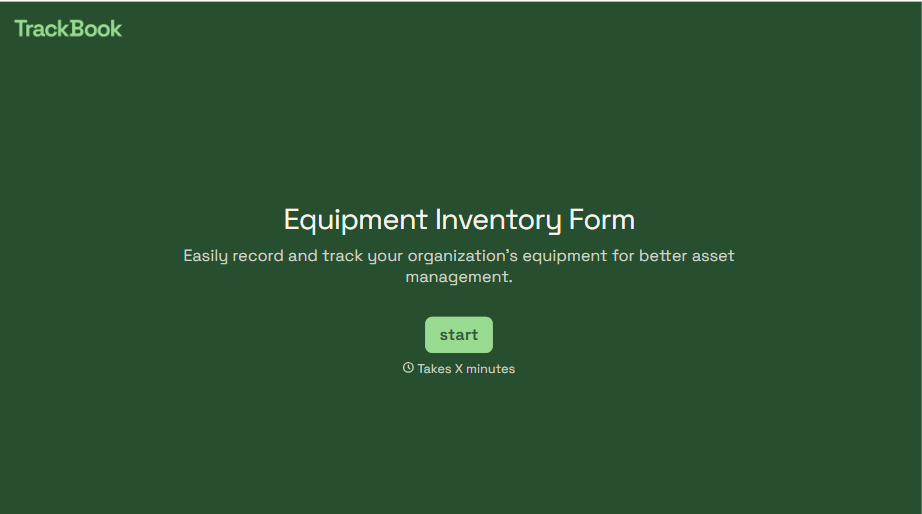
Equipment Inventory Form
Equipment that leaves a storage room in someone's arms, with no note about where it went, doesn't show up again until someone needs it and can't find it. Collect what your team actually needs, item details, condition, and who's got it, every time something moves.
View template
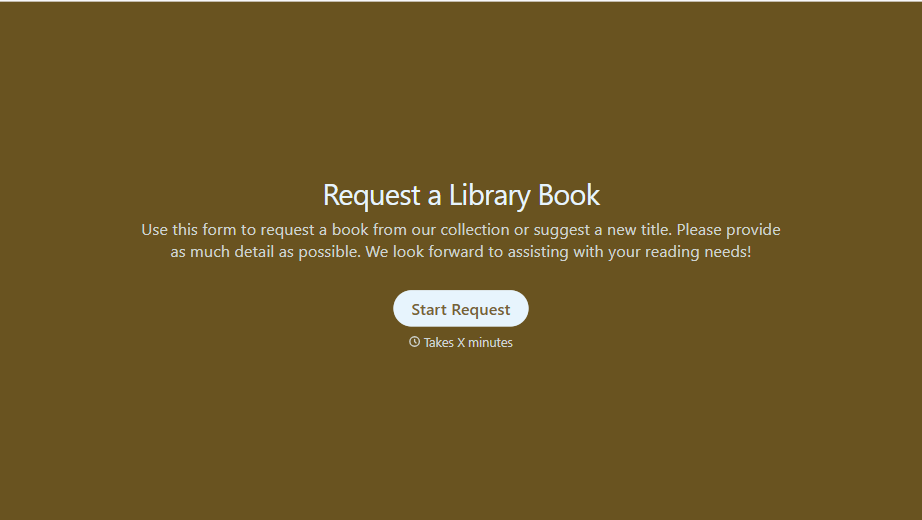
Library Book Request Form
A book request scrawled on a sticky note at the front desk doesn't make it into any queue, and it definitely doesn't get anyone a call when the book actually arrives. Collect what your library actually needs, the title, patron information, and how they'd like to be notified, before the note gets buried under the next stack of returns.
View template
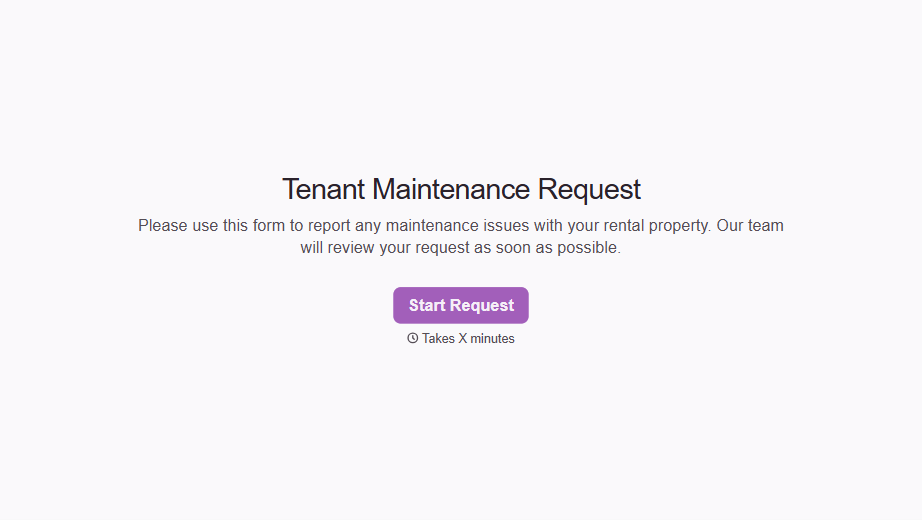
Tenant Repair Request Form
A text message about a leaky faucet sent at 11pm isn't a work order your maintenance team can act on efficiently, especially without a photo or a unit number attached. Collect the property, the issue, and how urgent it is before the request lands in someone's texts, so a repair doesn't wait on a landlord scrolling back through old messages.
View template
With Typeform, you can customize everything
Change text, colors, and even logos to match the look and feel of your brand. Then embed forms smoothly onto web and email.
Make forms feel effortless to fill out. Pace questions, call people by their name, and adapt the flow based on the data they share.
Stay efficient by connecting forms to your workflow. Typeform integrates with 300+ tools including Slack, Zapier, and HubSpot.