Construction Application Form
Collect every project detail before work begins, so your team reviews complete applications and nothing stalls at approval.



Construction teams that collect applications by email spend as much time chasing missing site plans and incomplete contractor details as they do reviewing projects. Every incomplete application delays approvals and costs the project timeline. Typeform's construction application form gives applicants a clear, consistent path to submitting a complete application in one go.
The form captures project details, site address, applicant and contractor information, scope of work, project value, and intended start date. The one-question format keeps applicants moving methodically through each section without the visual noise of a long printed form. Conditional logic routes each application through questions that match the project type and scope. A residential extension asks different questions than a new commercial build, so applicants answer only what applies to their project.
Customize the form with your permit categories, compliance requirements, and any declarations needed before submission. Share it on your planning website, embed it in a permits portal, or link it from contractor communications. Every application flows to Google Sheets via Zapier, so your planning team starts reviewing without manually pulling data from PDFs. Fewer incomplete submissions reach your desk, and your team spends time evaluating projects, not tracking down what's missing.
A construction application form collects the project and applicant information a planning authority needs to review and approve a construction project. It gathers site details, contractor information, scope of work, materials, project value, and compliance declarations in one submission. It functions as the formal intake record for every permit application your department receives.
Incomplete construction applications slow the approval process and delay project starts. Missing information means follow-up calls, delayed decisions, and projects that don't start on schedule. A structured form ensures every applicant submits the same required details, so your team reviews applications rather than chasing paperwork. Use it to standardize intake for new builds, extensions, renovations, and demolition applications across your jurisdiction.
A complete construction application covers:
- Site address and title or lot reference
- Applicant and contractor name, license number, and contact details
- Description and scope of work
- Materials and construction methods
- Estimated project value and timeline
- Compliance declarations and applicable permit types
- Owner authorization and signature
Use Typeform's File Upload feature to let applicants attach site plans, architectural drawings, or engineering surveys directly in their submission. Accepted file types include PDF and common image formats, with a 10MB limit per file. Each file arrives with the application, so your planning team reviews drawings and details together without chasing documents by email. File Upload is available on paid Typeform plans.
Use Zapier to route each application to the right reviewer based on project type or location. A commercial development routes to a different team than a residential renovation, cutting the time between intake and assessment. Automated routing keeps your permits team focused on reviewing work, not redistributing applications across a shared inbox.
Get inspired by relevant templates and categories
3200+ Templates, 300+ Integrations
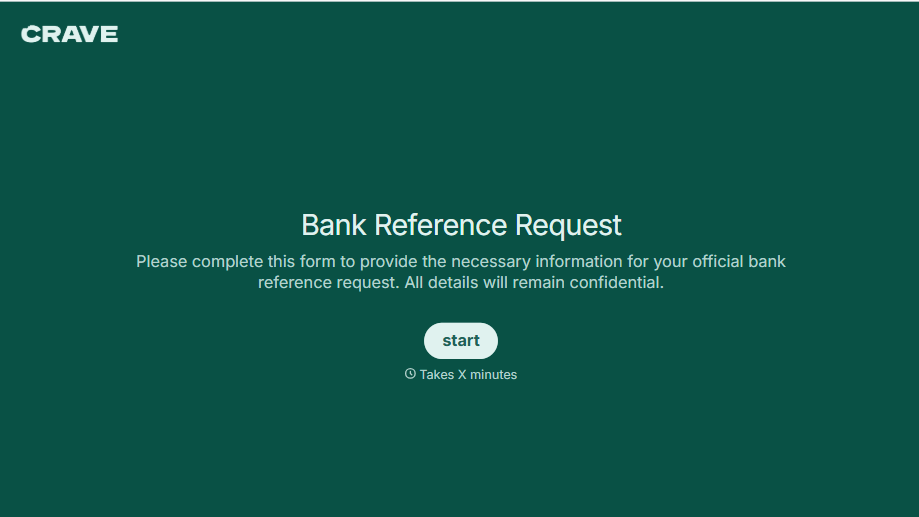
Bank Reference Form
A reference request faxed to a bank branch and left sitting in a queue for weeks isn't the kind of turnaround a landlord or business can wait on. Collect the applicant's signed authorization and the specific details you need confirmed before the request even reaches the bank, so a decision isn't stuck behind a letter that hasn't come back yet.
View template
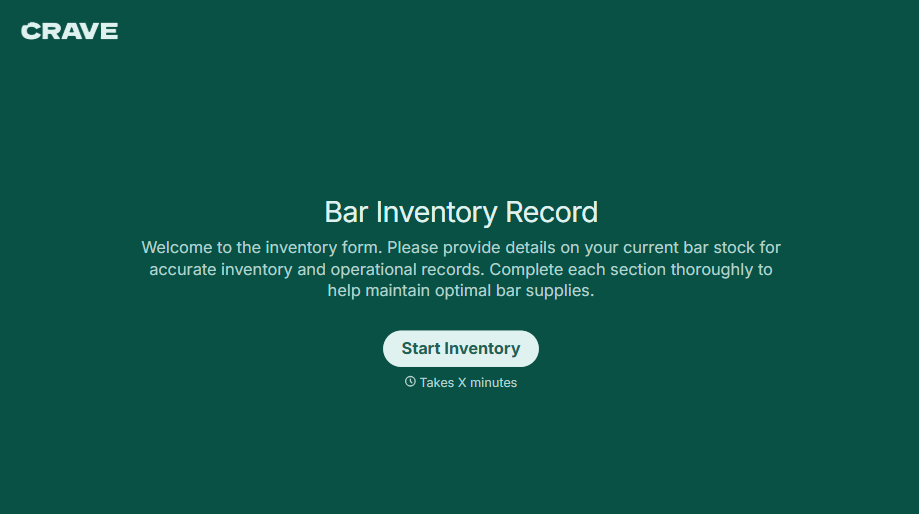
Bar Inventory Form
A bottle count eyeballed at the end of a shift and scrawled on a paper sheet doesn't hold up against a pour cost report that says something doesn't add up. Collect what your bar actually needs, item, count, and variance, on a schedule you can actually compare week to week.
View template
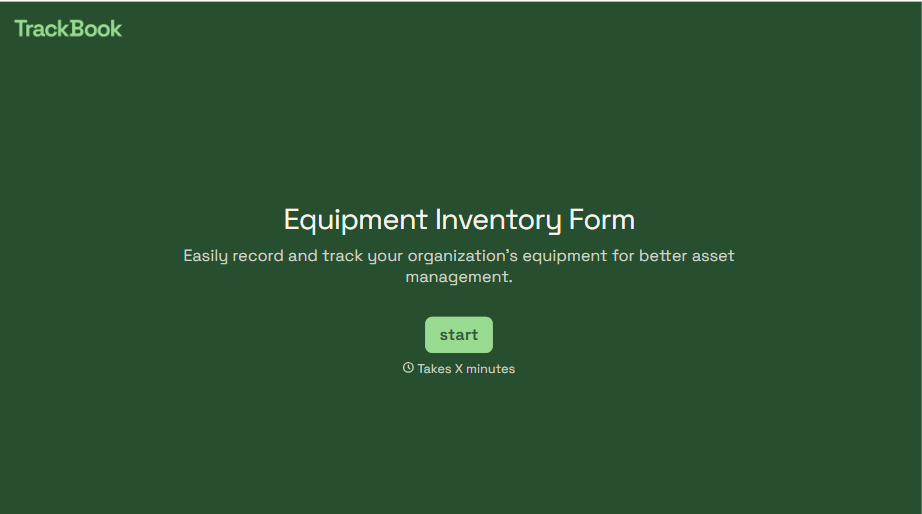
Equipment Inventory Form
Equipment that leaves a storage room in someone's arms, with no note about where it went, doesn't show up again until someone needs it and can't find it. Collect what your team actually needs, item details, condition, and who's got it, every time something moves.
View template
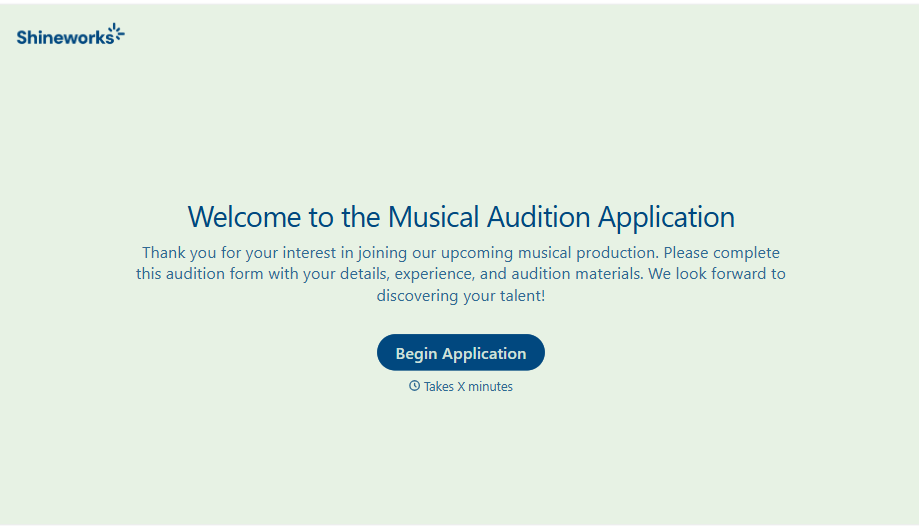
Musical Audition Form
A name scrawled on a sign-up sheet taped near the rehearsal room doesn't tell a director what role someone's after, or whether they can actually make callbacks next Tuesday. Collect what your production actually needs, contact information, role interest, and availability, before audition day arrives.
View template
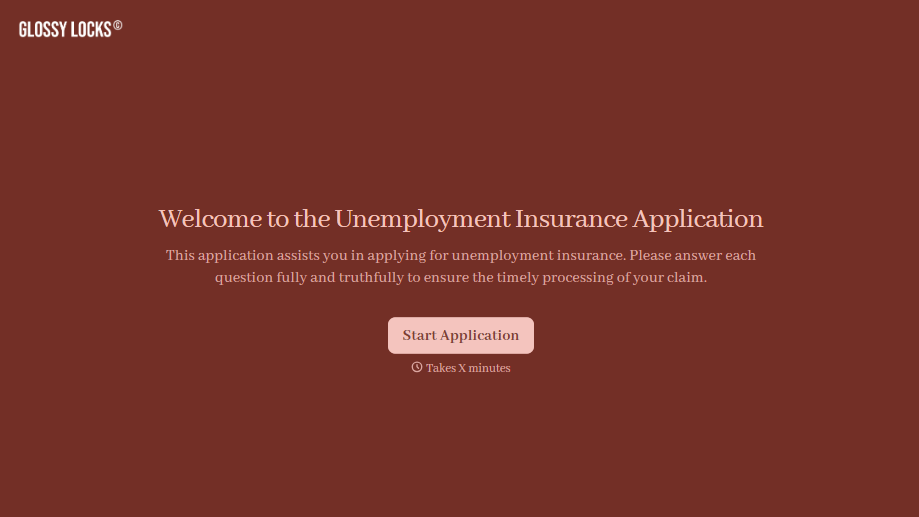
Unemployment Insurance Application Form
A stack of pay stubs gathered the morning of a filing deadline isn't the kind of preparation that gets a claim processed without delay. Collect employment history, separation details, and supporting documents before you sit down at your state's unemployment portal, so a claim doesn't stall over a missing detail.
View template
With Typeform, you can customize everything
Change text, colors, and even logos to match the look and feel of your brand. Then embed forms smoothly onto web and email.
Make forms feel effortless to fill out. Pace questions, call people by their name, and adapt the flow based on the data they share.
Stay efficient by connecting forms to your workflow. Typeform integrates with 300+ tools including Slack, Zapier, and HubSpot.