Co-op Application Form
Collect family and student information, volunteer commitments, and faith statements in one form, so your co-op reviews every application with the full picture.



Co-ops that collect applications by email deal with incomplete family profiles, missing volunteer commitments, and no consistent basis for reviewing applicants. Without a standard application, administrators have no reliable way to confirm a family meets co-op requirements before the enrollment window closes. Typeform's co-op application template gives co-op administrators a reliable way to collect complete applications before the enrollment window opens.
The form captures family details, student names and ages, grade levels, learning needs, parent volunteer availability, and a statement of faith. Questions appear one at a time, so families work through each section without feeling overwhelmed. Conditional logic adapts the form based on the number of children applying. Families applying with multiple children see repeated fields for each student's details, while single-student families move straight to volunteer commitments.
Customize the subject offerings, volunteer role categories, and faith statement fields to match your co-op's curriculum and community guidelines. Share it in your enrollment announcement email or post it on your co-op's website during the application window. Submissions log automatically in Google Sheets via Zapier, so administrators review complete applications and track enrollment capacity across student groups. Every application arrives with family, student, and volunteer details already on file, so your team makes placement decisions without follow-up.
A co-op application form collects family details, student grade levels, subject interests, volunteer commitments, and a statement of faith from applying families. It gives co-op administrators a consistent, complete picture of every family before placement decisions are made. This creates a consistent enrollment process families can follow and administrators can count on, every time.
Co-ops that rely on informal or inconsistent applications risk matching students to the wrong groups before the semester begins. When a family's volunteer capacity, learning needs, or faith values aren't captured upfront, administrators make placement decisions with incomplete information. A standardized application gives administrators the same complete profile from every family, so placements and volunteer coverage decisions are straightforward.
Start with what your co-op needs from every applying family:
- Parent and family contact details
- Student names, ages, and current grade levels
- Subject preferences and any learning needs
- Parent volunteer availability and preferred roles
- Statement of faith or community values agreement
Use conditional logic to ask how many children are applying and automatically show the right number of student detail fields. Each profile captures grade level and subject preferences separately, so administrators have complete information about every child in one submission, saving parents from having to fill out a separate form for each child.
Add a dropdown for volunteer roles and use conditional logic to surface follow-up questions based on each parent's selection. Teaching volunteers see questions about subject expertise and availability; event volunteers see questions about scheduling and capacity. Volunteer commitments collect alongside enrollment data in one submission, so administrators have a complete picture of coverage before the window closes.
Get inspired by relevant templates and categories
3200+ Templates, 300+ Integrations
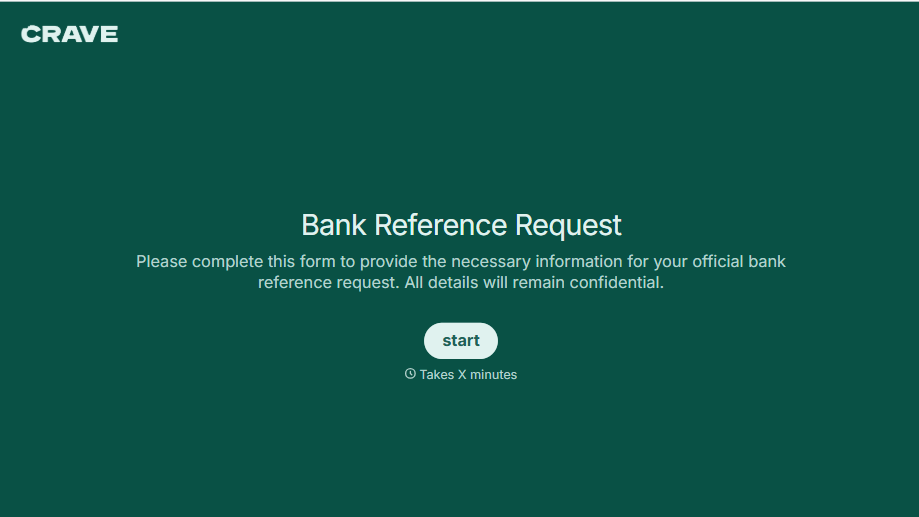
Bank Reference Form
A reference request faxed to a bank branch and left sitting in a queue for weeks isn't the kind of turnaround a landlord or business can wait on. Collect the applicant's signed authorization and the specific details you need confirmed before the request even reaches the bank, so a decision isn't stuck behind a letter that hasn't come back yet.
View template
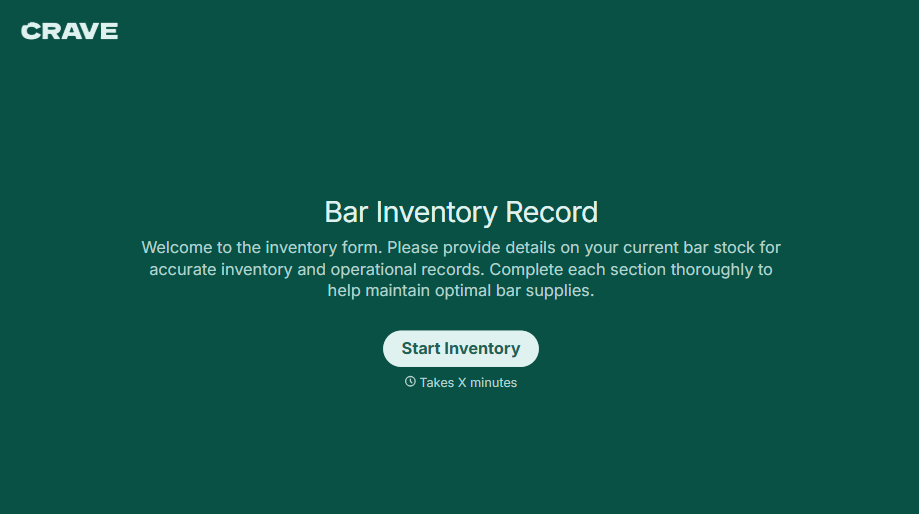
Bar Inventory Form
A bottle count eyeballed at the end of a shift and scrawled on a paper sheet doesn't hold up against a pour cost report that says something doesn't add up. Collect what your bar actually needs, item, count, and variance, on a schedule you can actually compare week to week.
View template
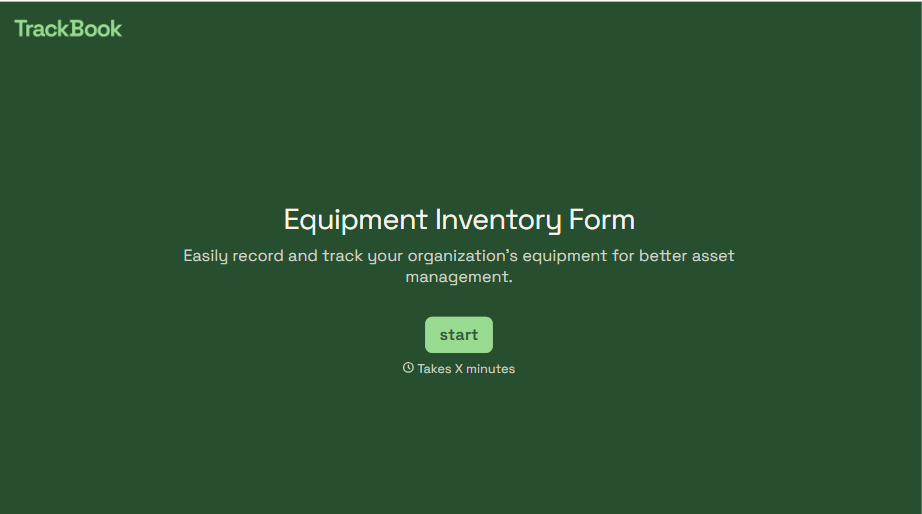
Equipment Inventory Form
Equipment that leaves a storage room in someone's arms, with no note about where it went, doesn't show up again until someone needs it and can't find it. Collect what your team actually needs, item details, condition, and who's got it, every time something moves.
View template
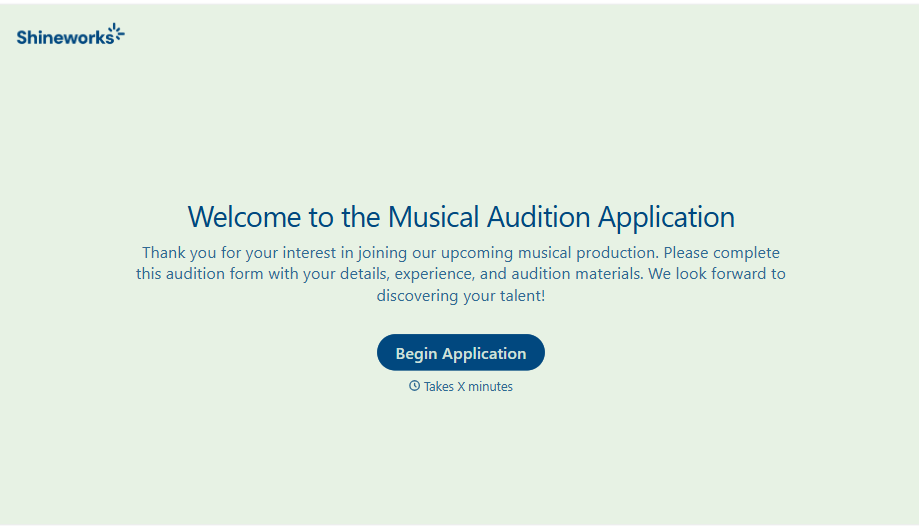
Musical Audition Form
A name scrawled on a sign-up sheet taped near the rehearsal room doesn't tell a director what role someone's after, or whether they can actually make callbacks next Tuesday. Collect what your production actually needs, contact information, role interest, and availability, before audition day arrives.
View template
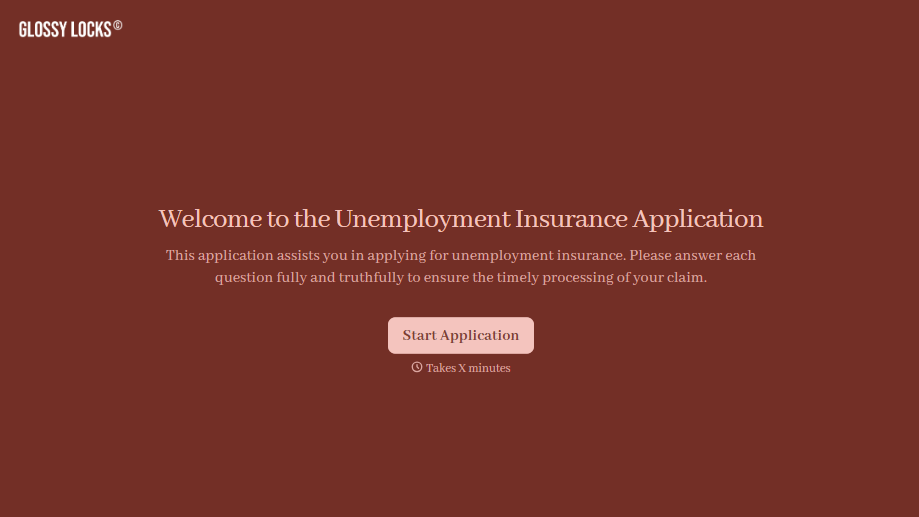
Unemployment Insurance Application Form
A stack of pay stubs gathered the morning of a filing deadline isn't the kind of preparation that gets a claim processed without delay. Collect employment history, separation details, and supporting documents before you sit down at your state's unemployment portal, so a claim doesn't stall over a missing detail.
View template
With Typeform, you can customize everything
Change text, colors, and even logos to match the look and feel of your brand. Then embed forms smoothly onto web and email.
Make forms feel effortless to fill out. Pace questions, call people by their name, and adapt the flow based on the data they share.
Stay efficient by connecting forms to your workflow. Typeform integrates with 300+ tools including Slack, Zapier, and HubSpot.