Church Incident Report Form
Document every incident clearly before it goes to pastoral review, so your church responds with care and consistency.



Church communities that handle incidents informally often find that details get lost by the time a formal review begins. A verbal report passed from person to person doesn't give leadership the complete picture needed to respond appropriately. Typeform's church incident report form gives pastoral teams a structured way to document every incident before escalation.
The form captures reporter details, incident date and location, individuals involved, a description of events, and any immediate actions taken. Reporters work through one field at a time, so every detail is entered carefully before the report is submitted. Conditional logic surfaces relevant follow-up fields based on the nature of the incident and who was involved. A safeguarding concern follows a different documentation path through the form than a property dispute or a behavioral complaint.
Customize it with your church name, incident categories, and any mandatory reporting requirements applicable in your jurisdiction. Distribute it to church staff, elders, volunteers, and any ministry team leader responsible for responding to incidents. Every report routes directly to the relevant pastoral team member or elder via Zapier. A documented incident gives church leadership the information to respond fairly, and provides a record that shows the church acted with care.
A church incident report form collects a structured account of an incident within the congregation. It captures reporter details, incident date and location, the individuals involved, and a description of what occurred. Think of it as the formal record that gives pastoral leadership the full picture before any response begins.
Church communities face difficult situations, and how leadership responds to incidents matters significantly to those involved. When incidents are reported informally, details get lost and leadership ends up responding to an incomplete account. A structured form ensures every incident is captured consistently, so pastoral leadership has what it needs to respond appropriately. Use it for safeguarding concerns, property incidents, behavioral complaints, medical emergencies, and any situation requiring a formal church record.
Screen for every detail before the report moves to review:
- Reporter's name, role in the church, and contact details
- Date, time, and location of the incident
- Names and roles of those involved (congregation members, staff, volunteers, visitors)
- Nature of the incident (safeguarding, behavioral, property, medical, etc.)
- Description of what occurred
- Witnesses present (if any)
- Immediate actions already taken
- Whether a mandatory report to an external authority is required
- Whether the incident is ongoing or resolved
- Reporter's signature and date
- Any supporting documentation (photos, written statements)
Church incident reports contain sensitive information about congregation members, staff, and volunteers. Restrict access to authorized church leadership only, and store submissions securely to protect the privacy of everyone involved. For incidents involving minors, ensure your data handling practices comply with applicable child protection legislation in your region.
Use Zapier to route each report to the right pastoral team member or elder based on the incident type. A safeguarding concern routes to a dedicated safeguarding officer, while a behavioral report routes to the relevant ministry lead. Routing ensures sensitive reports reach the right person immediately, without passing through intermediaries or a shared inbox.
Get inspired by relevant templates and categories
3200+ Templates, 300+ Integrations
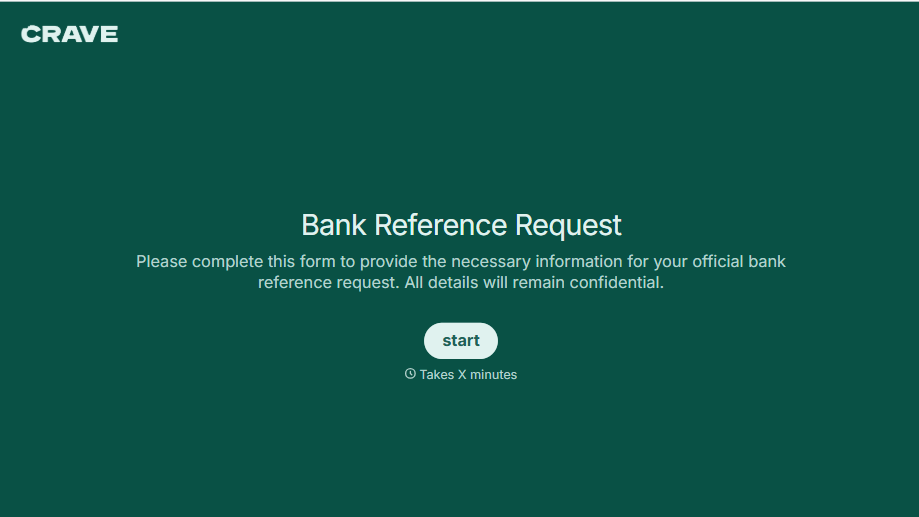
Bank Reference Form
A reference request faxed to a bank branch and left sitting in a queue for weeks isn't the kind of turnaround a landlord or business can wait on. Collect the applicant's signed authorization and the specific details you need confirmed before the request even reaches the bank, so a decision isn't stuck behind a letter that hasn't come back yet.
View template
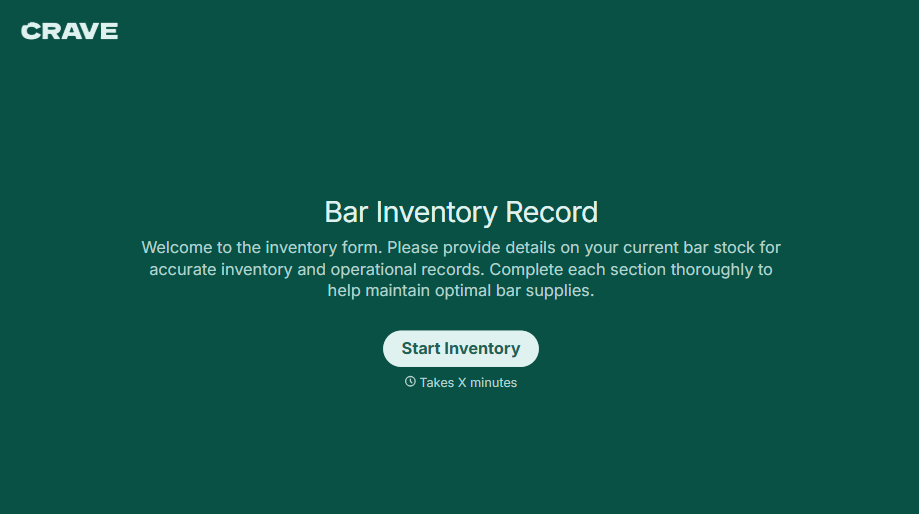
Bar Inventory Form
A bottle count eyeballed at the end of a shift and scrawled on a paper sheet doesn't hold up against a pour cost report that says something doesn't add up. Collect what your bar actually needs, item, count, and variance, on a schedule you can actually compare week to week.
View template
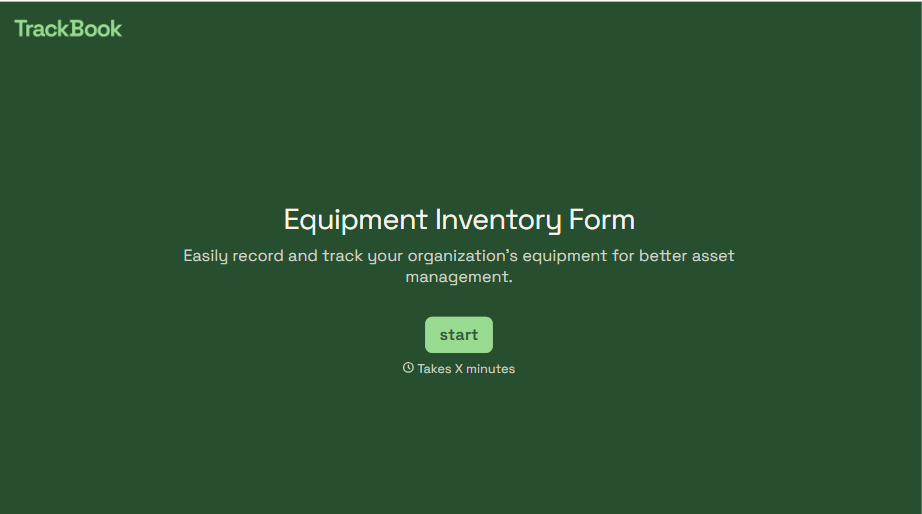
Equipment Inventory Form
Equipment that leaves a storage room in someone's arms, with no note about where it went, doesn't show up again until someone needs it and can't find it. Collect what your team actually needs, item details, condition, and who's got it, every time something moves.
View template
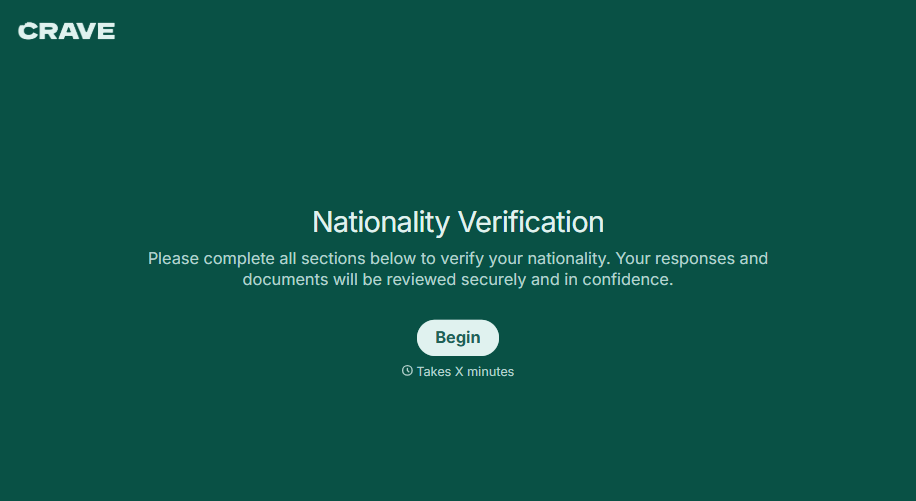
Nationality Verification Form
A self-certification buried in a stack of new account paperwork isn't the kind of record a compliance team can rely on for a regulatory filing. Collect nationality, tax residency, and a signed declaration before an account opens, so compliance isn't chasing down a customer's citizenship status after the fact.
View template
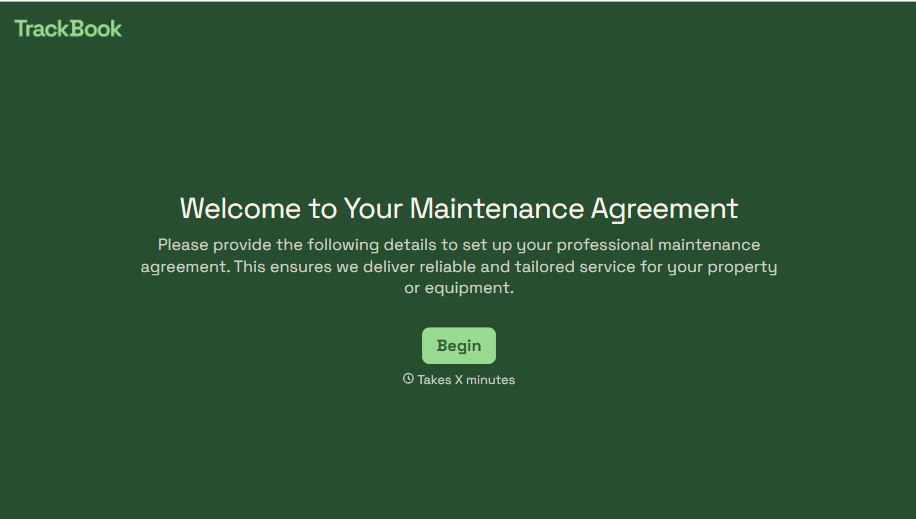
Maintenance Agreement Form
A maintenance plan agreed to over the phone isn't a contract your service team can actually work from, especially when nobody's sure whether the twice-a-year tune-up was part of the deal. Collect the equipment covered, service frequency, and a signed agreement before the first visit, so your team isn't guessing at scope once they're on-site.
View template
With Typeform, you can customize everything
Change text, colors, and even logos to match the look and feel of your brand. Then embed forms smoothly onto web and email.
Make forms feel effortless to fill out. Pace questions, call people by their name, and adapt the flow based on the data they share.
Stay efficient by connecting forms to your workflow. Typeform integrates with 300+ tools including Slack, Zapier, and HubSpot.