Catering Request Form
Collect every detail a caterer needs, including headcount, dietary restrictions, service style, and timing, before a single call is made.



Event coordinators and office managers spend more time chasing catering details than they do planning the event itself. Phone calls, reply-all email threads, and last-minute changes leave the caterer guessing and the client frustrated. Typeform's catering request template gives teams a dependable way to collect and confirm every detail in one place.
The form captures event basics (date, location, expected headcount), menu preferences and dietary restrictions (vegetarian, vegan, gluten-free, allergen flags), service style (buffet, plated, drop-off), and budget range. Questions appear one at a time, making the request feel more like a structured conversation than a form to fill out. Conditional logic routes requesters through relevant fields based on their service style. A plated dinner triggers questions about course count and service timing, while a drop-off order moves straight to packaging and delivery instructions.
Customize the menu categories and dietary fields to match what you offer. Share the form via email, embed it on your website, or post a QR code at a front desk or event space. Submissions route directly to your catering coordinator via email or Slack and log automatically in Google Sheets for budget tracking. Start every event prep call with a complete brief, not a list of questions you still need answered.
A catering request form collects the event details a caterer needs before planning or quoting begins. It captures headcount, menu preferences, dietary restrictions (allergens, vegetarian, vegan), service style, and logistics like delivery time and setup requirements. Think of it as the brief that replaces three rounds of email.
Catering errors are expensive—wrong headcounts, missed allergens, and surprise setup requirements all cost money and effort. A structured request form locks in the details before any planning starts. It gives caterers a single source of truth and gives clients a clear way to confirm their needs. Teams that standardize catering intake report fewer last-minute changes and fewer day-of surprises.
Gather everything needed for an accurate quote and smooth execution:
- Event date, time, and location
- Expected headcount (with a minimum/maximum range)
- Dietary restrictions and allergen flags
- Menu style preferences (buffet, plated, family-style, drop-off)
- Budget range or per-person target
- Setup and breakdown requirements
- Preferred contact name and number for day-of coordination
Use the form to collect scope and preferences first, then follow up with a quote once the details are confirmed. While fixed menus work well with instant confirmation, custom or seasonal menus need a review step before pricing is finalized. Conditional logic branches questions based on the requester's service style. A plated dinner triggers questions about course count, while a drop-off order focuses on packaging and timing. This means your team reviews complete, relevant information before drafting any proposal.
You can integrate a payment processor like Stripe to collect deposits at the time of request. Alternatively, use the form for intake only and send a payment link once the menu and headcount are confirmed. The right approach depends on whether you offer fixed pricing or need to quote first.
Get inspired by relevant templates and categories
3200+ Templates, 300+ Integrations
Bank Reference Form
A reference request faxed to a bank branch and left sitting in a queue for weeks isn't the kind of turnaround a landlord or business can wait on. Collect the applicant's signed authorization and the specific details you need confirmed before the request even reaches the bank, so a decision isn't stuck behind a letter that hasn't come back yet.
View template
Bar Inventory Form
A bottle count eyeballed at the end of a shift and scrawled on a paper sheet doesn't hold up against a pour cost report that says something doesn't add up. Collect what your bar actually needs, item, count, and variance, on a schedule you can actually compare week to week.
View template
Equipment Inventory Form
Equipment that leaves a storage room in someone's arms, with no note about where it went, doesn't show up again until someone needs it and can't find it. Collect what your team actually needs, item details, condition, and who's got it, every time something moves.
View template
Library Book Request Form
A book request scrawled on a sticky note at the front desk doesn't make it into any queue, and it definitely doesn't get anyone a call when the book actually arrives. Collect what your library actually needs, the title, patron information, and how they'd like to be notified, before the note gets buried under the next stack of returns.
View template
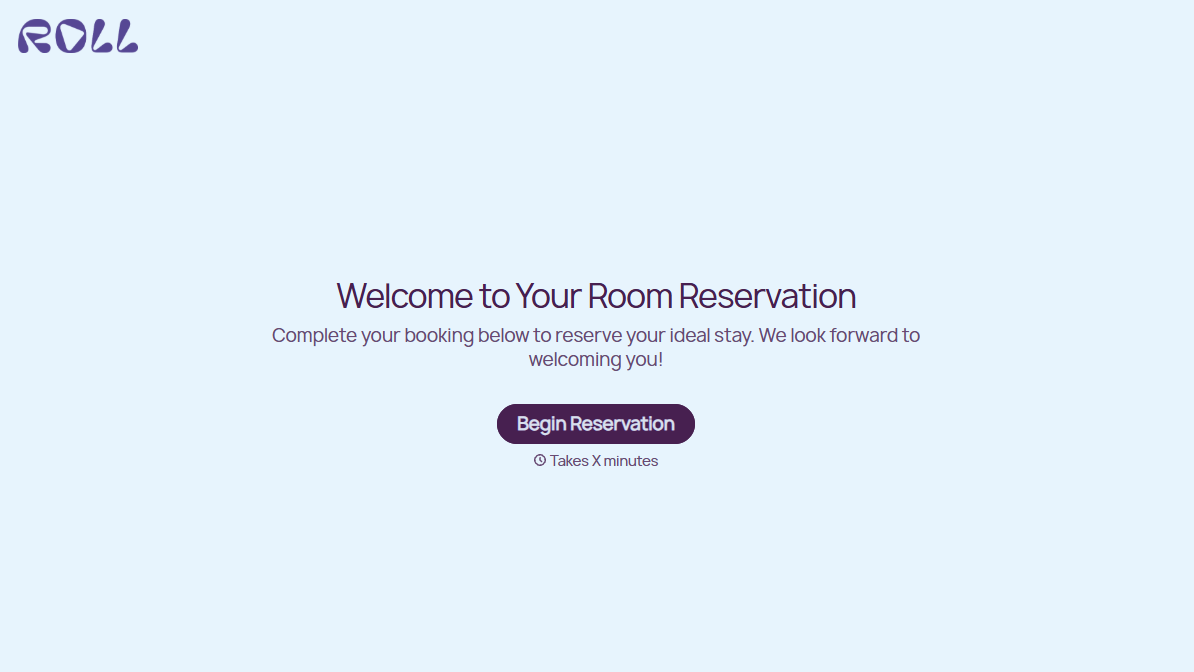
Hotel Room Booking Form
A room booked over the phone with "we'll figure out the room type when you get here" doesn't leave the front desk anything to actually plan around. Collect what your hotel actually needs, guest information, dates, and room preferences, before the reservation gets confirmed.
View template
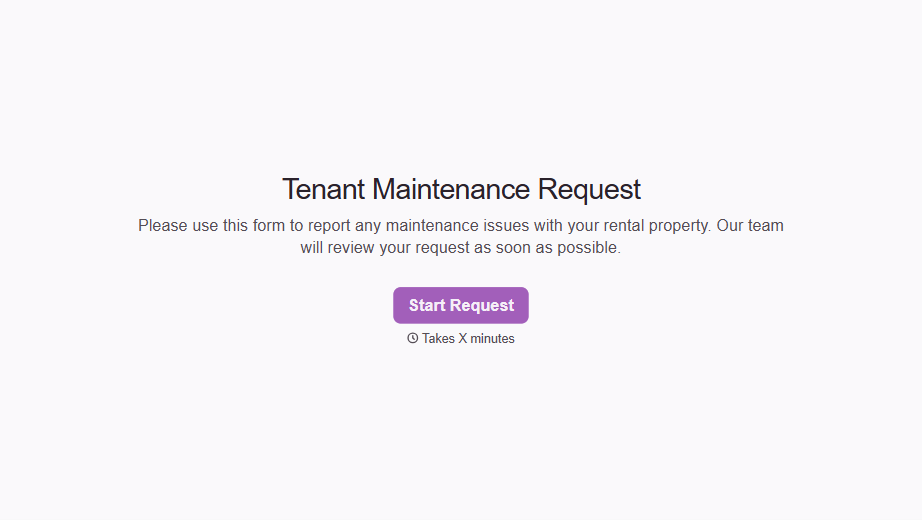
Tenant Repair Request Form
A text message about a leaky faucet sent at 11pm isn't a work order your maintenance team can act on efficiently, especially without a photo or a unit number attached. Collect the property, the issue, and how urgent it is before the request lands in someone's texts, so a repair doesn't wait on a landlord scrolling back through old messages.
View template
With Typeform, you can customize everything
Change text, colors, and even logos to match the look and feel of your brand. Then embed forms smoothly onto web and email.
Make forms feel effortless to fill out. Pace questions, call people by their name, and adapt the flow based on the data they share.
Stay efficient by connecting forms to your workflow. Typeform integrates with 300+ tools including Slack, Zapier, and HubSpot.