Behavior Observation Form Template
Document behavioral patterns with structured observations, not guesswork.



In educational, clinical, and behavioral health contexts, the quality of a behavior observation depends entirely on how consistently and specifically it's recorded. A structured form ensures that everyone observing the same individual uses the same language, the same categories, and the same timeframe — which makes the data actually useful for analysis and intervention planning.
This template captures the observer's name and role, the date and time of the observation, the setting or context, a description of the specific behavior observed (using neutral, factual language), the frequency or duration, any antecedents and consequences if ABC data is being collected, and next steps or recommendations. It avoids interpretive language in favor of observable, measurable descriptions.
The form can be completed on a phone or tablet during or immediately after the observation, while details are fresh. Responses are stored in a shared system, making it straightforward to track patterns over time and share observations with a broader team without transcribing notes.
An observation records what actually happened — the behaviors, their frequency, and the context. An assessment interprets that data to make conclusions about causes and recommend interventions. The observation form feeds into the assessment; they're sequential, not interchangeable.
ABC stands for Antecedent-Behavior-Consequence. The antecedent is what happened immediately before the behavior, the behavior is the observable action, and the consequence is what happened immediately after. Collecting ABC data consistently is central to functional behavior assessment and identifying what's reinforcing a behavior.
Yes. Teachers, special education staff, and paraprofessionals use behavior observation forms frequently to document student behavior as part of IEP processes or behavioral intervention planning. The form can be completed on a device during transitions or prep periods without disrupting instruction.
As specific as possible — and always observable. 'Made fists and yelled for 3 minutes when told to put away materials' is useful. 'Was aggressive' is not. Specific descriptions can be replicated, compared across observers, and used to measure whether an intervention is working.
Access should be limited to those directly involved in the individual's care or education plan — teachers, therapists, case managers, and parents or guardians, depending on the context. Behavior records often contain sensitive information and should be handled with the same care as other confidential health or educational records.
Get inspired by relevant templates and categories
3200+ Templates, 300+ Integrations
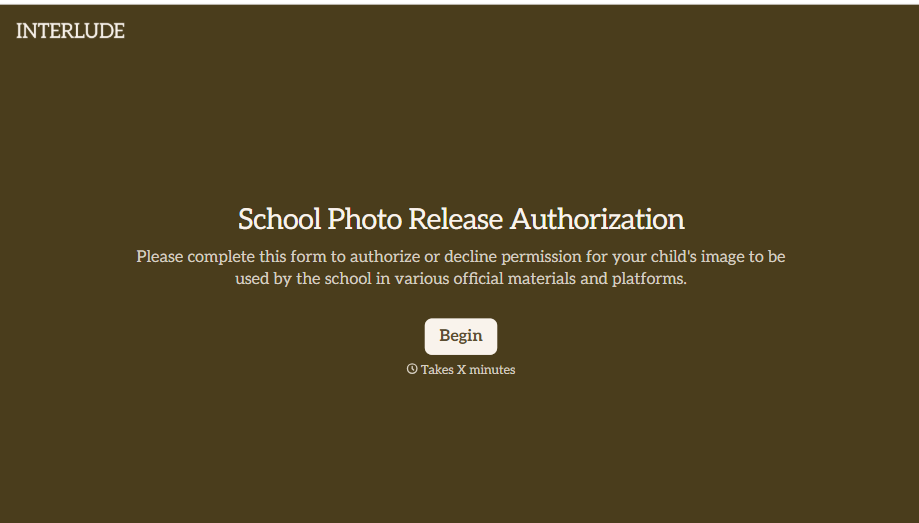
School Photo Release Form
A photo consent checkbox buried on page 12 of an enrollment packet doesn't tell a teacher who's actually opted out before they post a class photo. Collect what your school actually needs, guardian consent, and exactly where a photo can be used, before the camera comes out.
View template
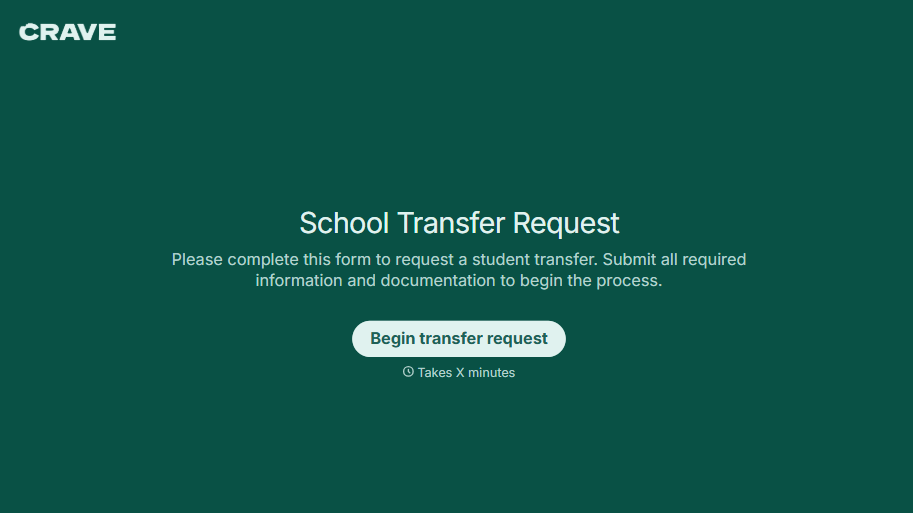
School Transfer Request Form
A transfer request dropped off at the district office isn't the kind of paperwork that gets processed before the semester it's meant for already started. Collect the student's information, reason for transfer, and supporting documentation upfront, so a request doesn't stall while the district follows up for a missing form.
View template
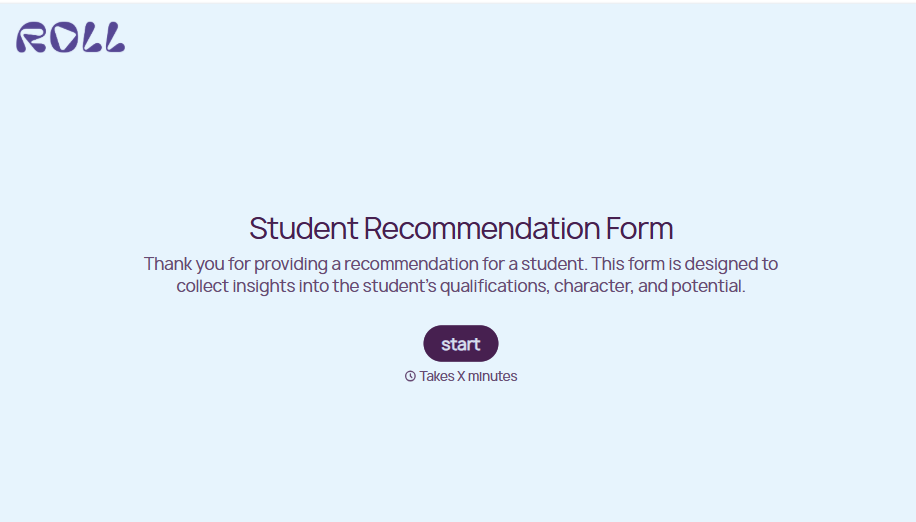
Student Recommendation Form
An email asking "can you write me a letter of recommendation" with no deadline attached isn't enough for a teacher to actually sit down and write one. Collect the program details, deadline, and what the student wants highlighted before the request lands in an inbox, so a letter doesn't get written in a rush the night it's due.
View template
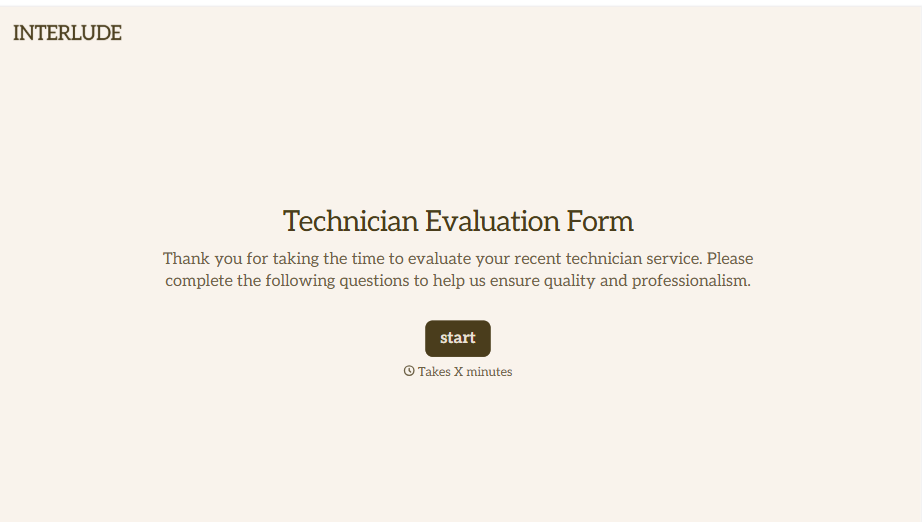
Technician Evaluation Form
A ride-along evaluation scribbled on a clipboard in the truck isn't the kind of record that holds up months later when it's time to talk about a raise or a certification renewal. Collect specific skill, safety, and customer service observations while the job's still fresh, so a technician's review is built on more than a supervisor's memory of the day.
View template
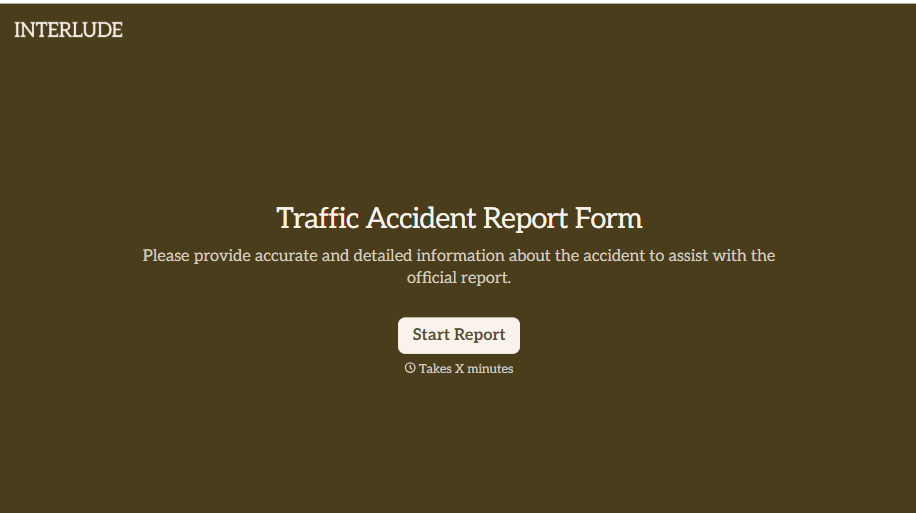
Traffic Accident Report Form
A phone call to a supervisor from the side of the road isn't the kind of record an insurance claim can be built on. Collect the accident details, the other party's information, and photos of the scene before memory starts to fade, so a claim doesn't sit unfiled for days waiting on someone to write it up.
View template
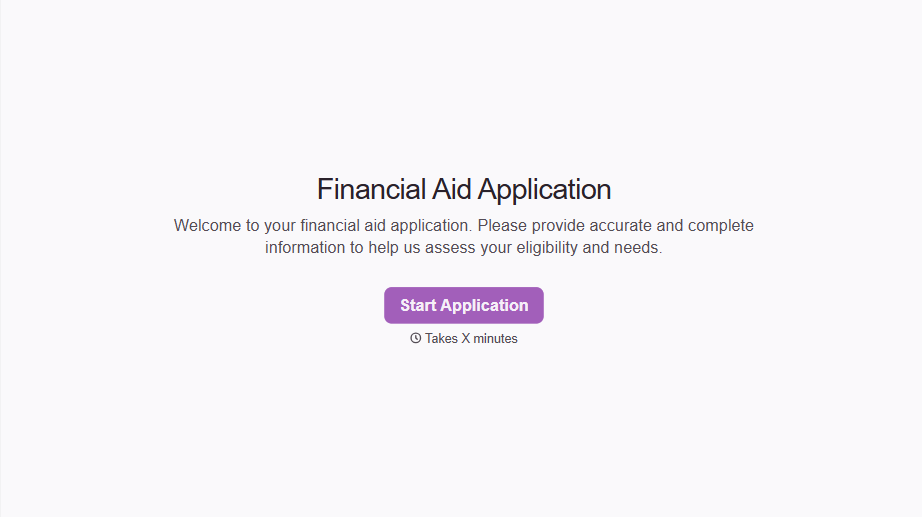
Financial Aid Application Form
A request for help with tuition mentioned to the front office in passing doesn't give your financial aid team anything to actually evaluate. Collect what your school actually needs, household information, income documentation, and need, before the deadline passes.
View template
With Typeform, you can customize everything
Change text, colors, and even logos to match the look and feel of your brand. Then embed forms smoothly onto web and email.
Make forms feel effortless to fill out. Pace questions, call people by their name, and adapt the flow based on the data they share.
Stay efficient by connecting forms to your workflow. Typeform integrates with 300+ tools including Slack, Zapier, and HubSpot.