Assessment Form Template
Measure what matters with a form that keeps people engaged from start to finish.



Assessments power some of the most important decisions in business and education. Hiring, training evaluations, performance reviews, skills gaps, certification readiness — they all depend on structured, reliable measurement. But most assessment tools fall into 2 camps: enterprise platforms that cost a fortune and take months to configure, or basic forms that lack scoring, branching, and meaningful feedback.
This assessment form template gives you a flexible framework for building scored evaluations that adapt to each respondent. Typeform's conditional logic lets you branch based on answers — sending someone who demonstrates mastery past the basics, while routing someone who struggles to foundational questions. The one-question-at-a-time format keeps attention focused, which improves the quality of responses.
Customize the scoring criteria, add images or scenarios, and connect results to your LMS, HRIS, or spreadsheet through integrations. You get actionable data. Respondents get a fair, thoughtful experience.
An assessment form is a structured evaluation tool that measures knowledge, skills, competencies, or performance against defined criteria. Unlike a casual quiz, assessments typically have validated scoring frameworks, defined pass/fail thresholds, and are used to inform decisions — hiring, promotion, certification, or training needs identification. They can include multiple-choice questions, scenario-based prompts, self-ratings, and open-ended responses.
The quality of your assessment directly determines the quality of your decisions. A poorly designed assessment introduces bias, measures the wrong things, or frustrates respondents into abandoning it. A well-designed one accurately identifies strengths and gaps, provides actionable feedback, and respects the time of the person taking it. It also protects you legally — especially in hiring contexts where assessment fairness can be scrutinized.
- Clear instructions explaining the purpose and format
- A mix of question types (multiple choice, scale ratings, open-ended)
- Scenario-based or situational judgment questions
- Self-assessment items for reflective evaluation
- A section for evaluator notes or observations (if applicable)
- A results summary or feedback screen at the end
Start by tying every question to a specific, job-relevant or skill-relevant criterion. No trick questions or irrelevant trivia. Use consistent scoring rubrics. Have multiple people review the questions for cultural or gender bias. Pilot the assessment with a diverse test group and analyze results for patterns that suggest bias. Typeform's conditional logic can help by ensuring all respondents who demonstrate the same skill level see the same questions.
Yes, with some configuration. A 360 evaluation collects feedback from multiple perspectives. Self, manager, peers, and direct reports. You can customize the template with hidden fields that identify the evaluator's relationship to the subject, then use integrations to aggregate all responses for a single individual into one report. Each evaluator gets the same questions, and the hidden field ensures you can slice the data by perspective.
Get inspired by relevant templates and categories
3200+ Templates, 300+ Integrations
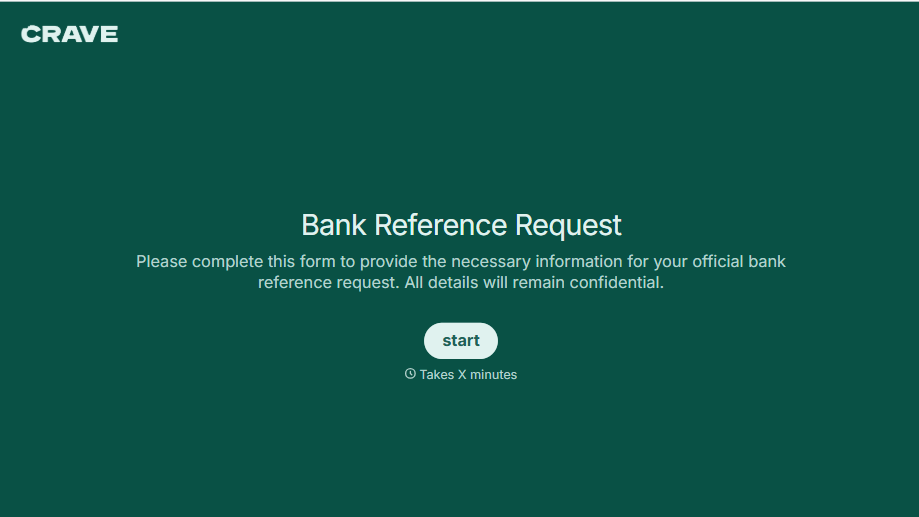
Bank Reference Form
A reference request faxed to a bank branch and left sitting in a queue for weeks isn't the kind of turnaround a landlord or business can wait on. Collect the applicant's signed authorization and the specific details you need confirmed before the request even reaches the bank, so a decision isn't stuck behind a letter that hasn't come back yet.
View template
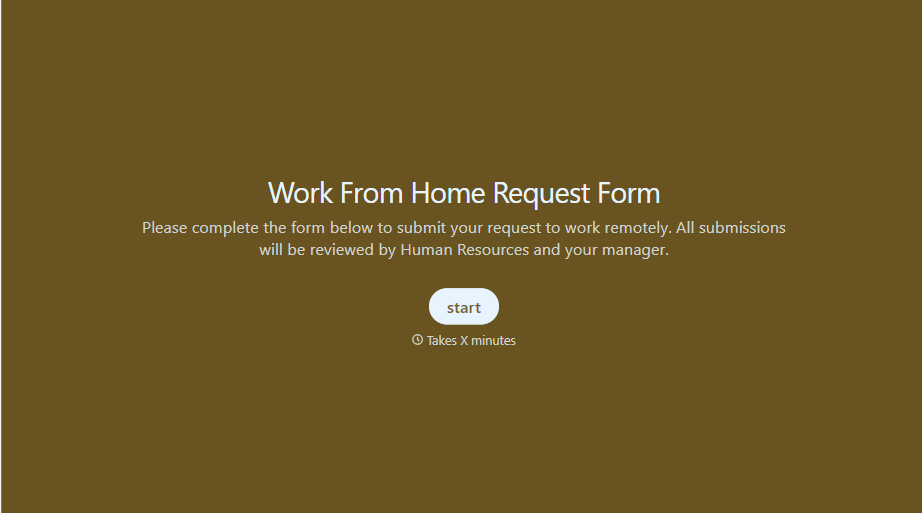
Work From Home Request Form
A Slack message asking to work from home on Thursday isn't a request anyone can track, especially once the same employee has asked five different ways over a month. Collect the request type, dates or schedule, and manager approval in one place, so HR isn't reconstructing who's working where from a scattered inbox.
View template
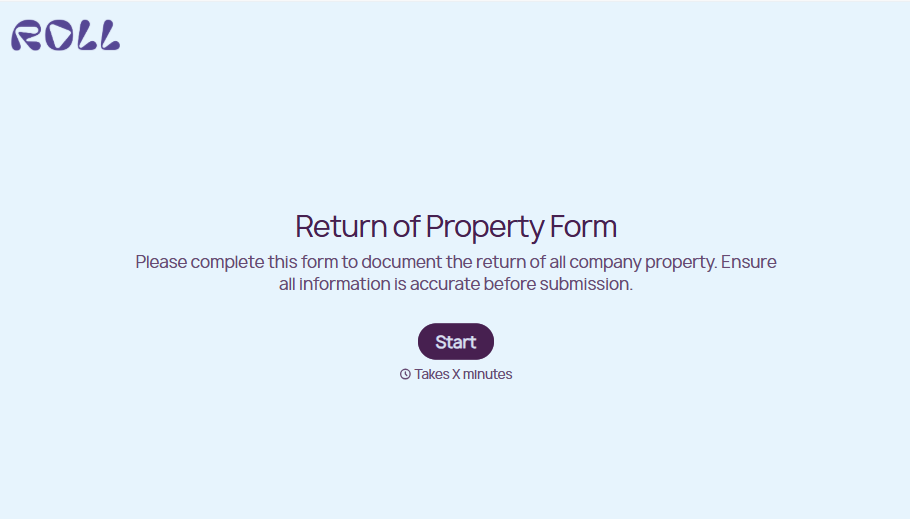
Return of Property Form
A property checklist stapled to an exit interview packet isn't a record anyone can rely on when a laptop turns up missing three weeks later. Collect itemized equipment details, condition at return, and a signed acknowledgment before an employee's last day, so IT isn't chasing down a laptop that already walked out the door.
View template
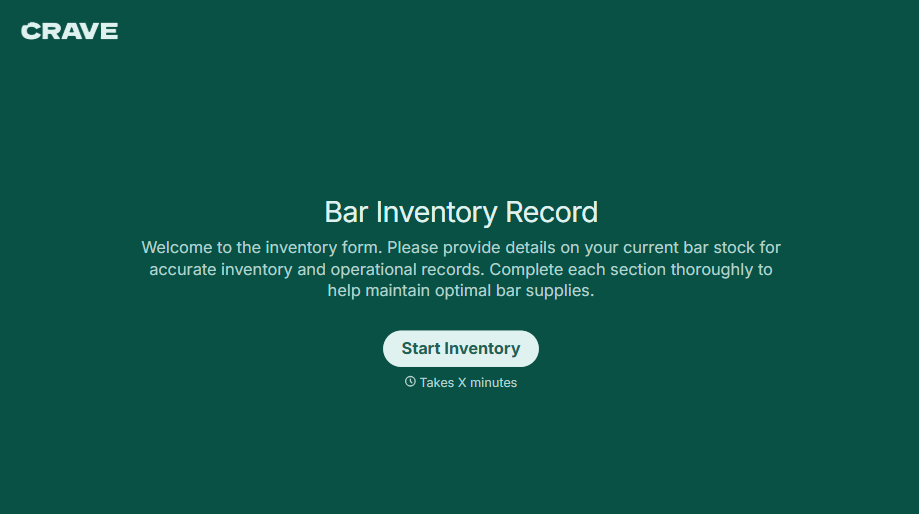
Bar Inventory Form
A bottle count eyeballed at the end of a shift and scrawled on a paper sheet doesn't hold up against a pour cost report that says something doesn't add up. Collect what your bar actually needs, item, count, and variance, on a schedule you can actually compare week to week.
View template
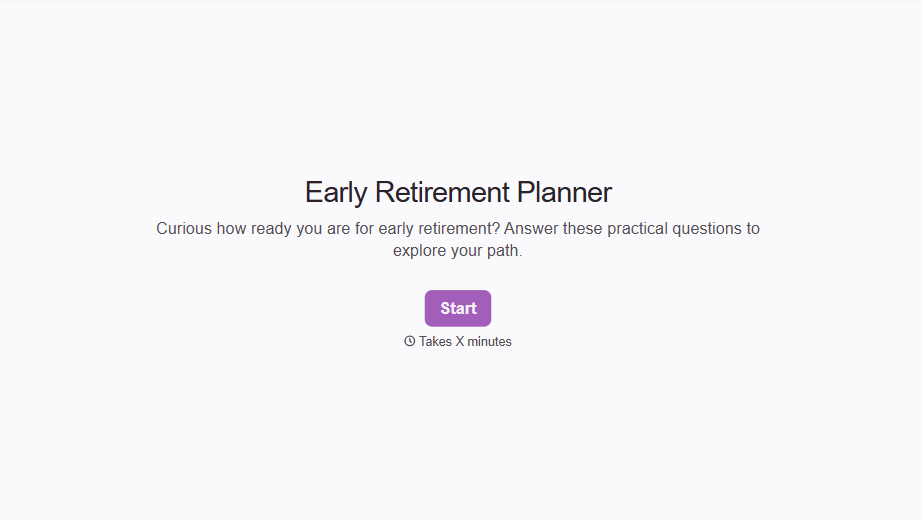
Early Retirement Form
A retirement mentioned to a manager in conversation doesn't give HR anything to actually process, and if there's an incentive deadline attached, the date that conversation happened can matter more than anyone realized at the time. Collect what your HR team actually needs, employee information, requested date, and benefit elections, before a window closes.
View template
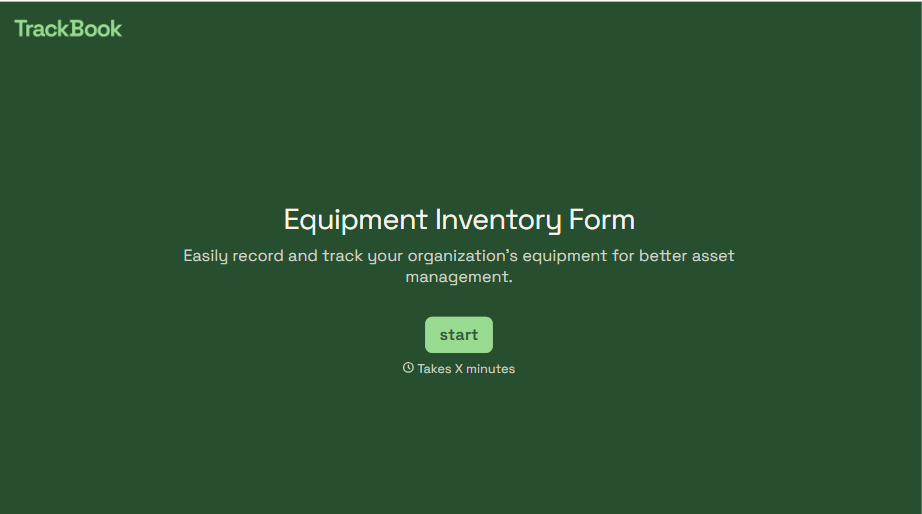
Equipment Inventory Form
Equipment that leaves a storage room in someone's arms, with no note about where it went, doesn't show up again until someone needs it and can't find it. Collect what your team actually needs, item details, condition, and who's got it, every time something moves.
View template
With Typeform, you can customize everything
Change text, colors, and even logos to match the look and feel of your brand. Then embed forms smoothly onto web and email.
Make forms feel effortless to fill out. Pace questions, call people by their name, and adapt the flow based on the data they share.
Stay efficient by connecting forms to your workflow. Typeform integrates with 300+ tools including Slack, Zapier, and HubSpot.