Appeal Form Template
Give people a clear path to be heard, not a bureaucratic maze.



When someone disagrees with a decision. A grade, a claim denial, a disciplinary action, a policy application. They deserve a straightforward way to challenge it. But most appeal processes feel deliberately opaque. Confusing instructions, unclear requirements, and vague submission guidelines discourage people from exercising a right that exists precisely for situations like theirs.
This appeal form template structures the process so appellants know exactly what to provide, what the timeline looks like, and what happens next. Typeform's one-question-at-a-time format walks them through each requirement without the overwhelm of a dense paper form. Conditional logic tailors the form based on appeal type. An academic grade appeal asks for different documentation than an insurance claim dispute.
Connect submissions to your case management system through integrations, set up automatic acknowledgment emails, and give your review team clean, organized appeal packages from day 1.
An appeal form is a formal document through which an individual requests a review or reconsideration of a decision made by an organization, institution, or authority. It requires the appellant to identify the specific decision being challenged, state the grounds for their appeal, provide supporting evidence, and specify the outcome they're seeking. Appeal forms are used across education, healthcare, insurance, HR, legal, and government contexts.
A clear process protects both sides. Appellants get a fair, documented path to challenge decisions instead of feeling ignored. Organizations get standardized submissions that are easier to review, track, and resolve. It also creates an auditable record. Critical for regulatory compliance and legal protection. When appeals are handled consistently, trust in the overall system improves.
- Appellant's name, contact information, and ID or case number
- Identification of the specific decision being appealed
- The date the original decision was communicated
- Grounds for the appeal with a detailed written explanation
- Supporting evidence uploads (documents, photos, correspondence)
- The specific outcome or resolution the appellant is requesting
Timelines vary by context, but transparency is what matters most. Academic appeals might take 2 to 4 weeks. Insurance appeals often have regulatory deadlines — 30 to 60 days in many jurisdictions. Workplace grievance appeals typically follow the timeline defined in the employee handbook. Whatever your standard is, communicate it clearly in the form and send an automated acknowledgment confirming receipt.
Incomplete submissions slow everything down — for you and the appellant. The best approach is prevention: use Typeform's required field settings and validation rules to ensure no one can submit without providing the essentials. For fields where supporting documents may take time to gather, consider allowing a partial submission with a deadline for supplementary materials, communicated via automated follow-up email through integrations.
Get inspired by relevant templates and categories
3200+ Templates, 300+ Integrations
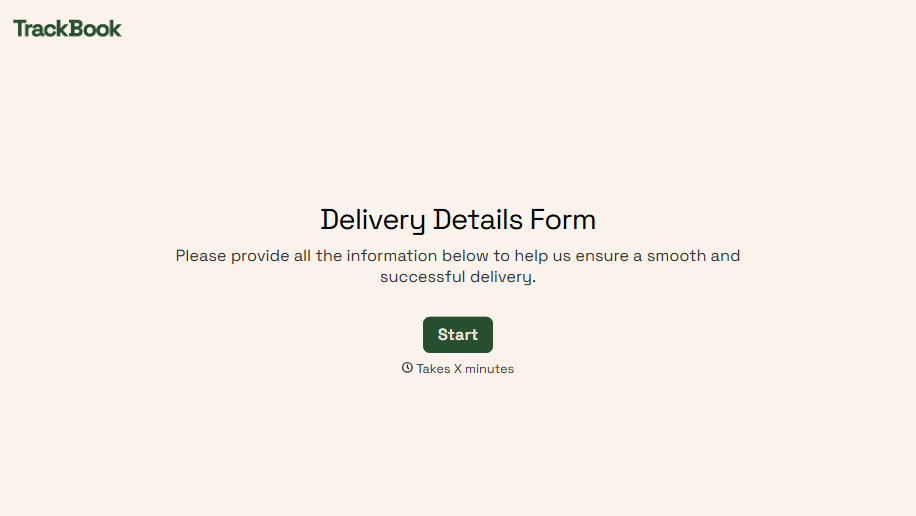
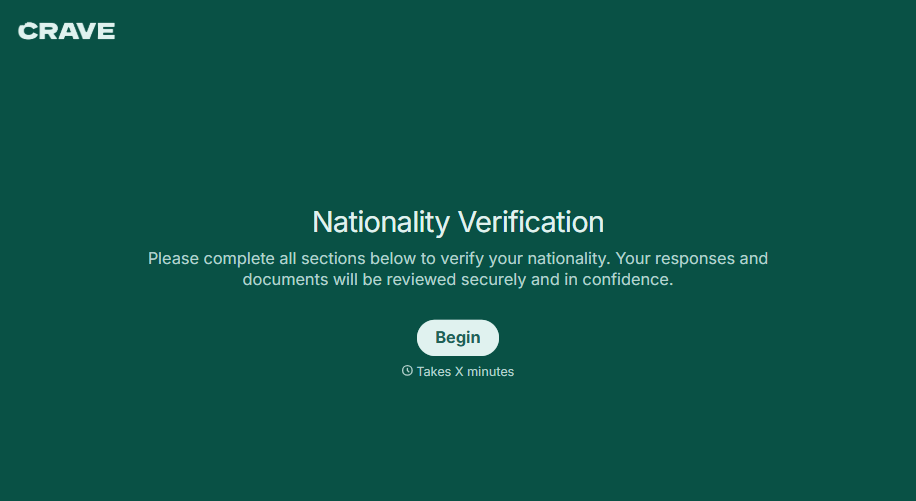
Nationality Verification Form
A self-certification buried in a stack of new account paperwork isn't the kind of record a compliance team can rely on for a regulatory filing. Collect nationality, tax residency, and a signed declaration before an account opens, so compliance isn't chasing down a customer's citizenship status after the fact.
View template
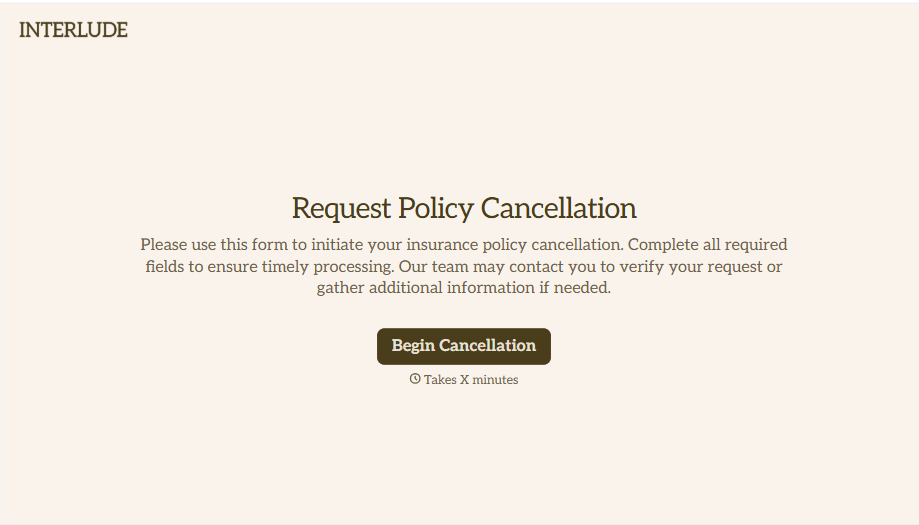
Policy Cancellation Form
A cancellation requested over the phone doesn't leave a clear record of exactly what date the policyholder actually asked for, and that date matters more than it sounds like it should. Collect what your agency actually needs, policy details, identity verification, and the requested effective date, before coverage actually ends.
View template
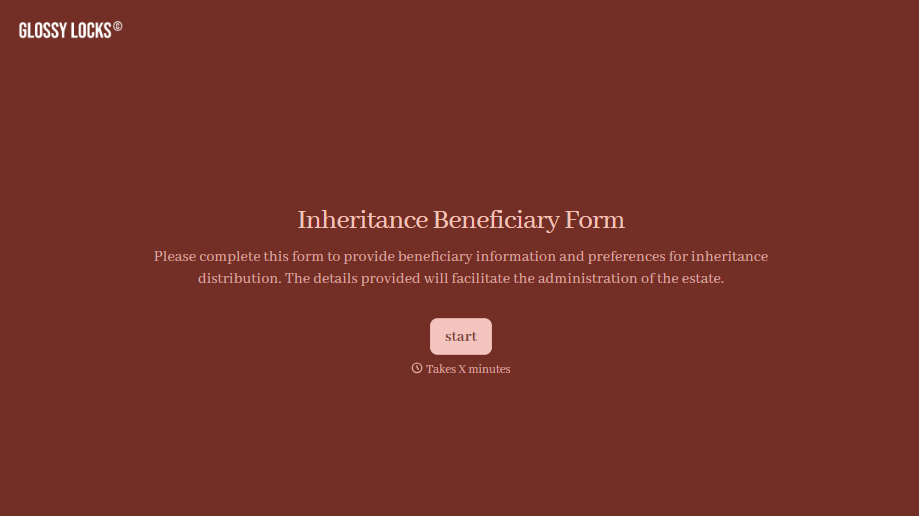
Inheritance Beneficiary Form
Asking a grieving family member for the same banking details across three different phone calls doesn't make settling an estate go any faster. Collect what your firm actually needs, beneficiary information, identification, and distribution details, in one submission instead of three calls.
View template
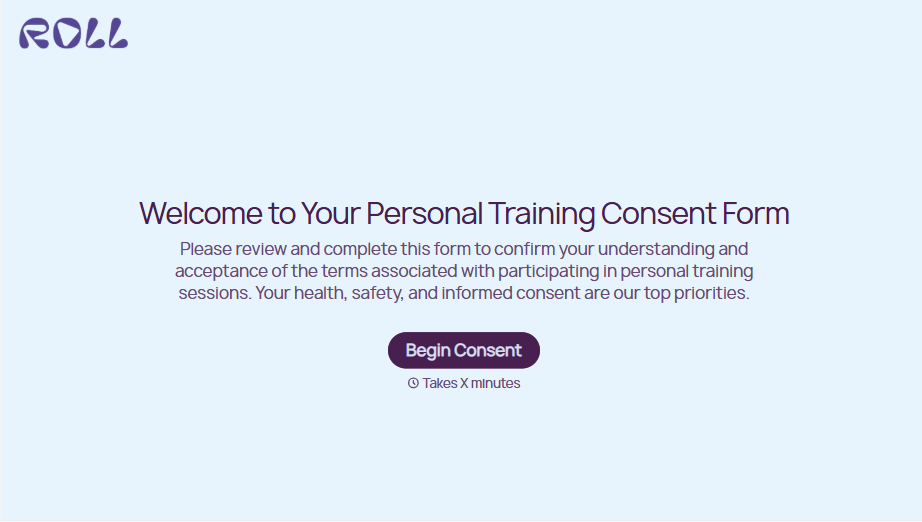
Personal Training Informed Consent Form
A consent form signed in the ten seconds before a first session isn't the kind of informed agreement that holds up if something goes wrong. Walk clients through the specific risks of training and get a signed, dated acknowledgment before the first rep, so consent actually means what the word implies.
View template

Unconditional Release Form
A lien waiver signed at the job site with a pen borrowed from someone's truck isn't the kind of document a lender wants to see before releasing a draw. Collect the project, payment details, and a signed unconditional release before funds go out, so a draw isn't held up by a waiver nobody can find.
View template
With Typeform, you can customize everything
Change text, colors, and even logos to match the look and feel of your brand. Then embed forms smoothly onto web and email.
Make forms feel effortless to fill out. Pace questions, call people by their name, and adapt the flow based on the data they share.
Stay efficient by connecting forms to your workflow. Typeform integrates with 300+ tools including Slack, Zapier, and HubSpot.