Adverse Event Reporting Form
Document every adverse event at the point of occurrence, so your team has an accurate record before details are lost.



Healthcare teams that report adverse events after the fact often produce records too incomplete to support a full safety review. A delayed or partial report doesn't just create an administrative gap. It undermines the safety review that depends on it. Typeform's adverse event reporting form gives teams a structured way to capture complete incident details at the point of occurrence.
The form captures incident date and time, location, individuals involved, severity, immediate actions taken, and contributing factors. Typeform's one-question-at-a-time design keeps reporters focused on each element without the risk of skipping a required field. Conditional logic branches by severity. A serious incident triggers fields for patient impact, causal analysis, and the regulatory authority to be notified, while minor events close in a brief summary.
Customize the form with your organization's incident categories, severity ratings, and any compliance requirements specific to your setting. Share it via direct link, post it on your intranet, or embed it on your quality management platform. Every report logs in Google Sheets or Airtable via Zapier, so your team tracks open incidents and regulatory deadlines. Your safety team acts on what was actually documented, not what someone remembers.
An adverse event reporting form documents the circumstances, contributing factors, and immediate actions taken following an unexpected incident. It captures incident date and time, location, individuals involved, event description, severity, and any regulatory notification requirements in one submission. It functions as the official incident record your organization uses for safety reviews, corrective action, and regulatory compliance.
Incidents reported from memory lose detail fast. The further from the event, the less reliable the account and the harder it is to prevent recurrence. A structured form captures the full picture at the point of occurrence, so your safety review starts with facts. Use it for patient safety incidents, clinical trial adverse events, workplace accidents, product defect reports, and near-miss documentation.
A complete adverse event reporting form covers:
- Incident date, time, and location
- Name and role of the reporter
- Individuals involved (patients, staff, or customers)
- Event description and sequence of events
- Severity classification (e.g., minor, moderate, serious, life-threatening)
- Immediate actions taken
- Contributing factors or root cause (if known)
- Regulatory reporting requirement (if applicable)
Set up conditional logic to branch by severity, so serious events trigger the detail your regulatory process requires. A serious event prompts for patient outcome, causal analysis, and the regulatory authority to be notified. A minor incident closes after a brief description and immediate action summary. This keeps the form focused and efficient for every severity level.
Connect the form to Google Sheets or Airtable via Zapier so every report logs with incident details, severity, and timestamp. Add a status column to track each report through investigation and resolution, and filter by severity to surface critical items first. Use Typeform's email notifications to alert the relevant safety officer the moment a serious incident is submitted. Nothing waits in an inbox while a regulatory deadline ticks.
Get inspired by relevant templates and categories
3200+ Templates, 300+ Integrations
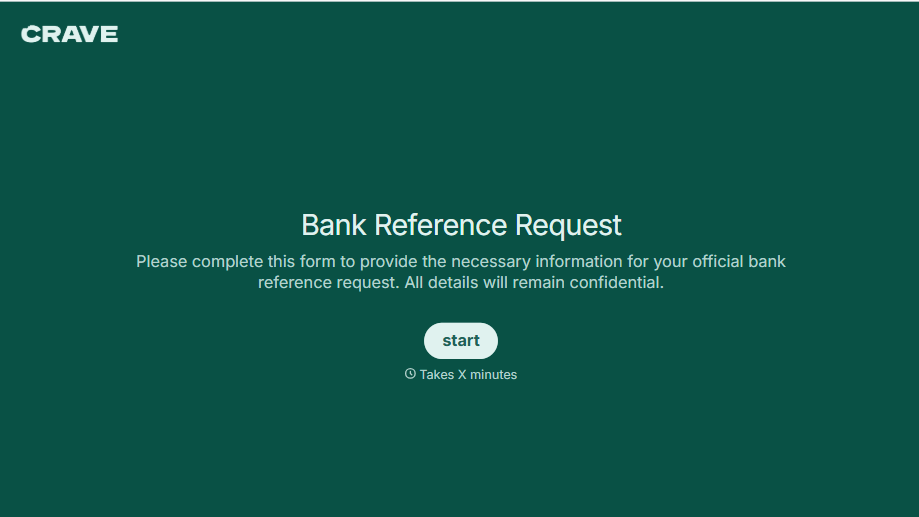
Bank Reference Form
A reference request faxed to a bank branch and left sitting in a queue for weeks isn't the kind of turnaround a landlord or business can wait on. Collect the applicant's signed authorization and the specific details you need confirmed before the request even reaches the bank, so a decision isn't stuck behind a letter that hasn't come back yet.
View template
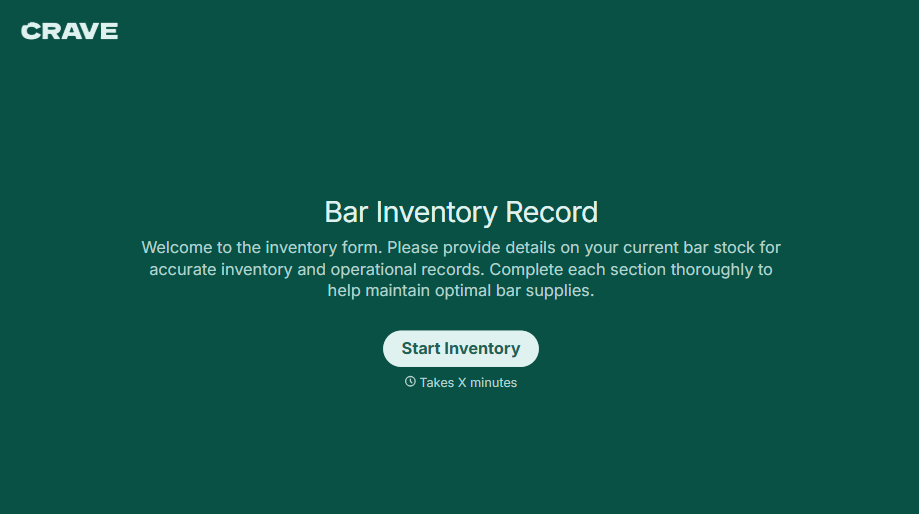
Bar Inventory Form
A bottle count eyeballed at the end of a shift and scrawled on a paper sheet doesn't hold up against a pour cost report that says something doesn't add up. Collect what your bar actually needs, item, count, and variance, on a schedule you can actually compare week to week.
View template
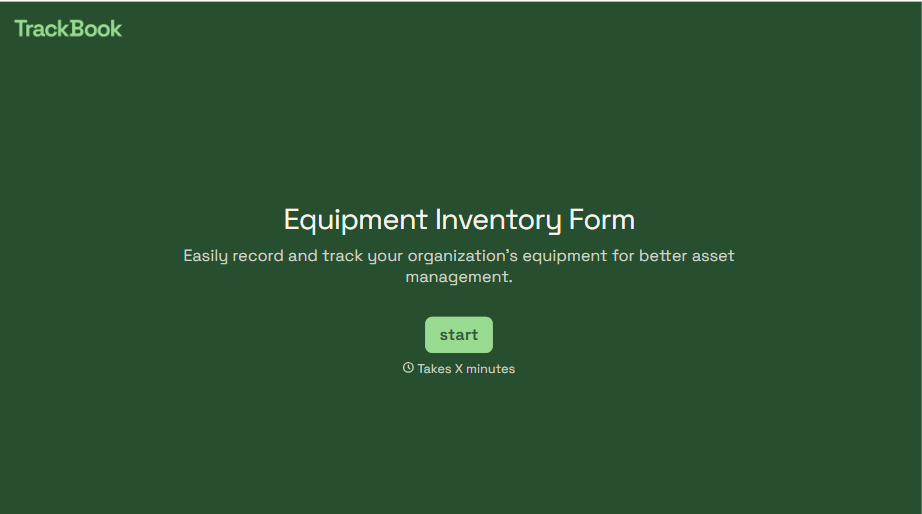
Equipment Inventory Form
Equipment that leaves a storage room in someone's arms, with no note about where it went, doesn't show up again until someone needs it and can't find it. Collect what your team actually needs, item details, condition, and who's got it, every time something moves.
View template
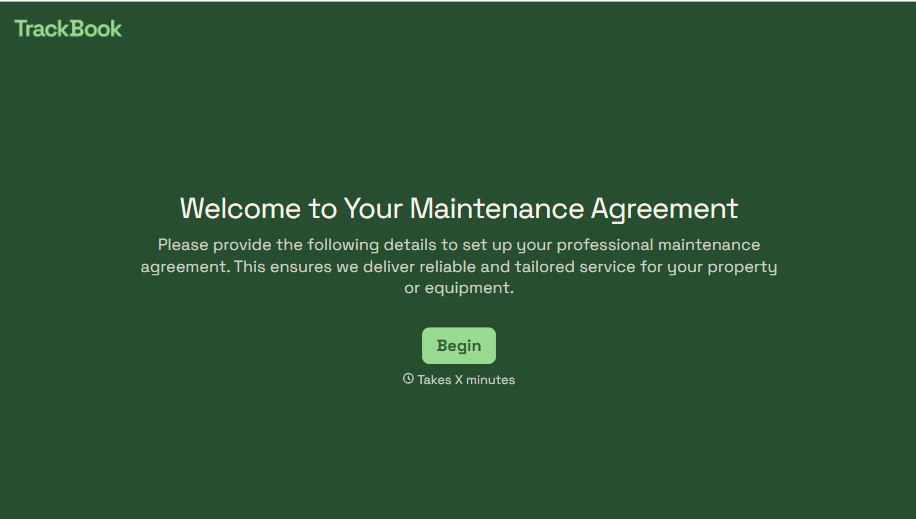
Maintenance Agreement Form
A maintenance plan agreed to over the phone isn't a contract your service team can actually work from, especially when nobody's sure whether the twice-a-year tune-up was part of the deal. Collect the equipment covered, service frequency, and a signed agreement before the first visit, so your team isn't guessing at scope once they're on-site.
View template
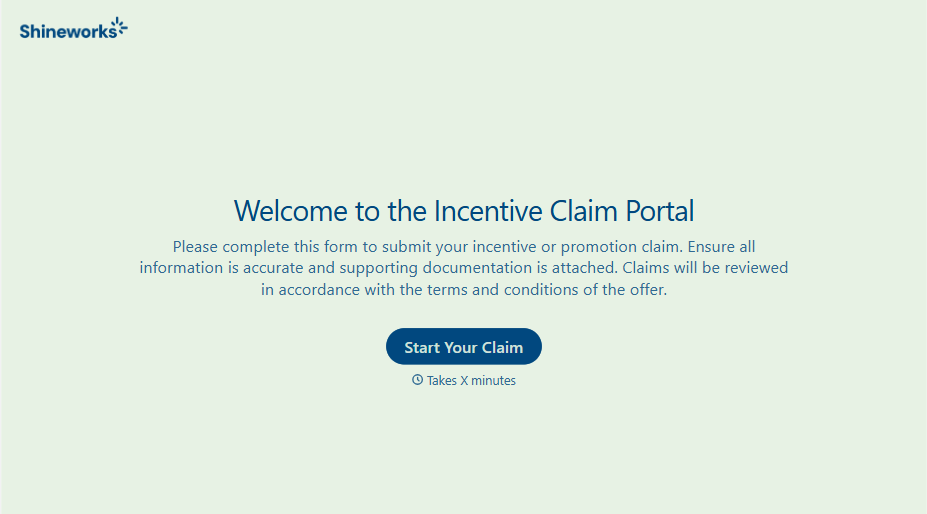
Incentive Claim Form
A rebate claim mailed in with a stapled stack of receipts isn't the kind of paperwork that gets processed quickly, especially when a required serial number turns out to be missing from page three. Collect proof of purchase, product details, and participant information upfront, so a claim doesn't bounce back for a missing document weeks later.
View template
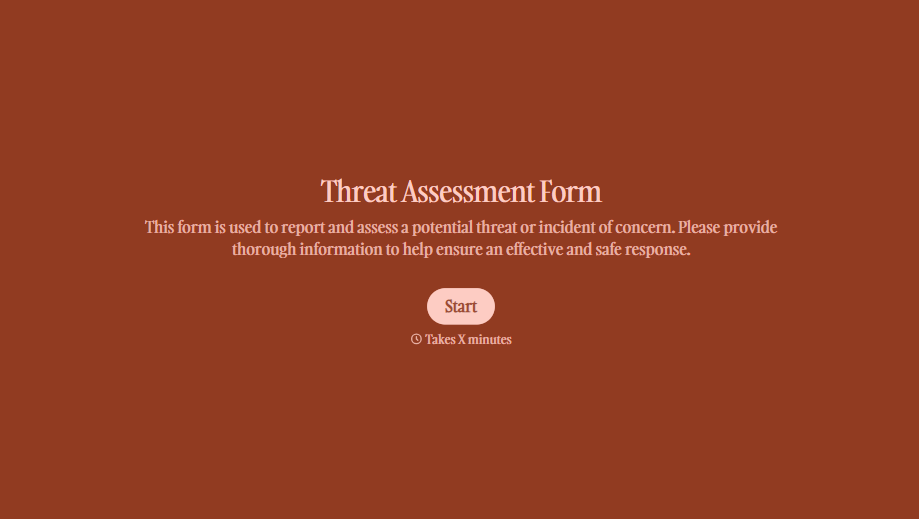
Threat Assessment Form
A concerning comment that gets passed from a teacher to a counselor to whoever's free that period loses detail with every retelling. Collect what your team actually needs, what was observed or reported, who was involved, and when, before an important detail gets dropped along the way.
View template
With Typeform, you can customize everything
Change text, colors, and even logos to match the look and feel of your brand. Then embed forms smoothly onto web and email.
Make forms feel effortless to fill out. Pace questions, call people by their name, and adapt the flow based on the data they share.
Stay efficient by connecting forms to your workflow. Typeform integrates with 300+ tools including Slack, Zapier, and HubSpot.