360 Degree Feedback Survey Form Template
Give employees a complete picture of their performance from every direction. This template collects structured feedback from peers, managers, and direct reports in one organized process.



Annual performance reviews based on one person's perspective miss too much. Blind spots go unaddressed, strengths go unrecognized, and employees don't get the rounded feedback they need to grow. A 360 review changes that — but only if the process is consistent and the data is usable.
This 360 degree feedback survey form template collects structured ratings and observations across key competencies from multiple reviewers. Conditional logic adapts the question framing based on the relationship between the reviewer and the subject — a peer response uses different language than a direct report response — while maintaining consistency in what's being measured. All responses feed into a central view, making it straightforward to synthesize the feedback into a coherent picture.
Set up the competency areas relevant to your organization, configure the reviewer relationships, and run a review cycle that produces feedback worth acting on.
A 360 degree feedback survey is a performance evaluation tool that collects input on an individual from multiple sources: their manager, peers, direct reports, and sometimes clients or external stakeholders. The goal is to provide a well-rounded picture of performance that no single reviewer could offer on their own.
Single-source performance reviews are inherently limited by the reviewer's vantage point. 360 feedback surfaces patterns that might not be visible to any one person — a manager may not see how a team member handles peer conflicts, but their colleagues will. This broader view leads to more accurate, more actionable development feedback.
Focus on observable behaviors across the key competencies you want to develop:
- How effectively does this person communicate with the team?
- How well do they manage their workload and deliver on commitments?
- How do they handle feedback and adapt their approach?
- How do they contribute to a positive team environment?
- What is their strongest area of performance?
- What's 1 area where they could have the most impact by improving?
Anonymity helps. When reviewers know their responses are confidential, they're more likely to provide candid feedback. Make clear in your communication that responses are anonymous and that the goal is constructive development, not performance scoring. Including open-text questions where reviewers can elaborate tends to surface more specific, useful observations.
Synthesize the data before sharing it. Rather than handing someone a raw data export, group themes, highlight patterns, and frame the conversation around 2-3 key areas for development alongside clear strengths. A structured debrief conversation with a manager or coach helps the recipient process and act on the feedback constructively.
Get inspired by relevant templates and categories
3200+ Templates, 300+ Integrations
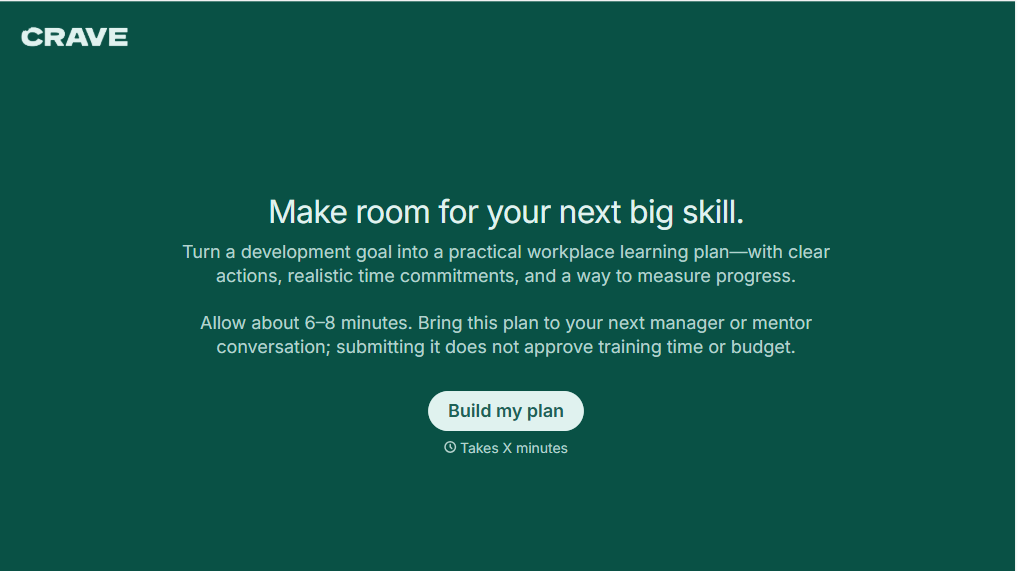
Workplace Learning Plan Form
Help employees and managers create structured professional development plans with a form that collects learning goals, skill gaps, and training preferences. Keep development priorities organized so teams can track progress, identify learning opportunities, and support employee growth in the workplace.
View template

Skills Assessment Consent Form
Give employers, training providers, and educational organizations a straightforward way to obtain consent for skills assessments with a form that collects participant information, assessment details, and authorization. Keep consent records organized so administrators can communicate evaluation procedures, explain how results will be used, and confirm participation before assessments begin.
View template
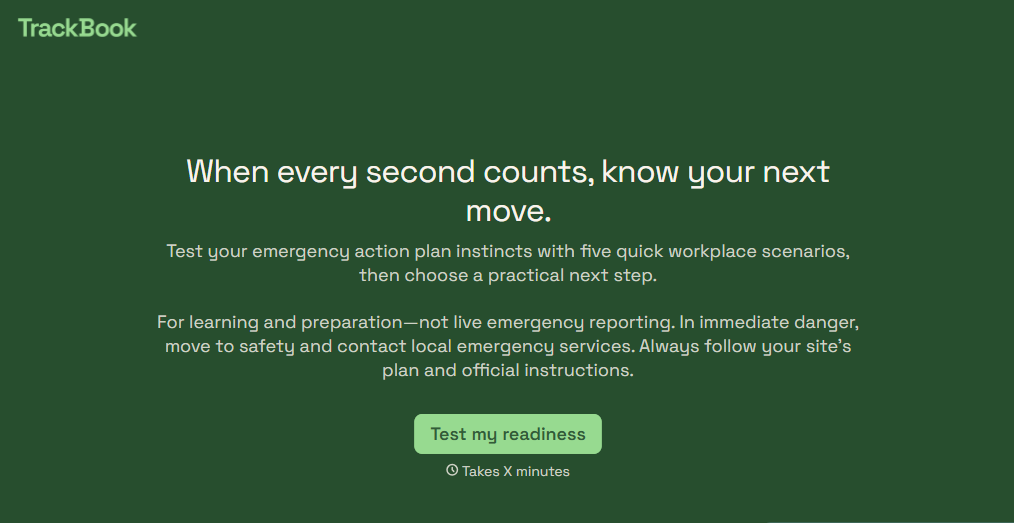
Emergency Action Plan Quiz Form
Give employees an easy way to test their emergency preparedness knowledge with a quiz that covers evacuation procedures, emergency contacts, and workplace safety protocols. Keep the results organized so your team can identify knowledge gaps, reinforce training, and improve emergency response readiness.
View template

Camp Volunteer Staff Reference Form
Give camp coordinators an easy way to collect references for prospective volunteers with a form that gathers information about reliability, relevant experience, and interpersonal skills. Keep reference responses organized so camp administrators can evaluate applicants, identify strengths, and make informed volunteer selection decisions.
View template
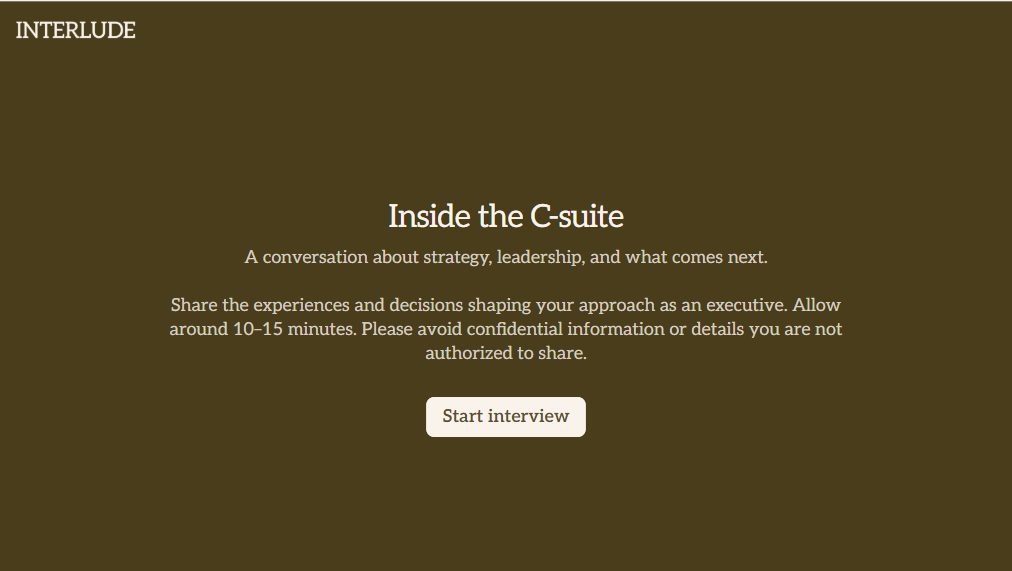
C Suite Interview Form
Give hiring teams a structured way to evaluate executive candidates with a form that collects leadership experience, strategic priorities, and management approaches. Keep the interview feedback organized so decision-makers can compare qualifications and make informed hiring decisions.
View template
With Typeform, you can customize everything
Change text, colors, and even logos to match the look and feel of your brand. Then embed forms smoothly onto web and email.
Make forms feel effortless to fill out. Pace questions, call people by their name, and adapt the flow based on the data they share.
Stay efficient by connecting forms to your workflow. Typeform integrates with 300+ tools including Slack, Zapier, and HubSpot.